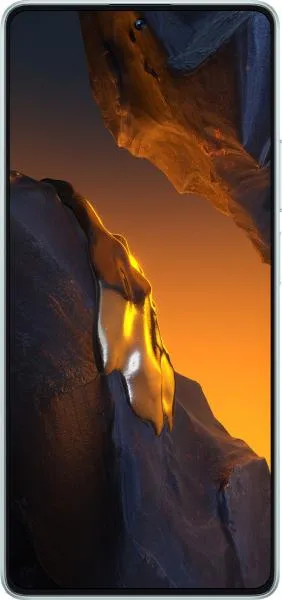
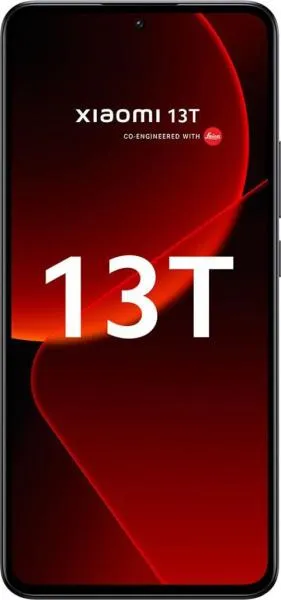
1. Specifications Comparison
| Feature | Xiaomi Poco F5 | Xiaomi 13T | Practical Impact |
|---|---|---|---|
| Design | |||
| Dimensions (mm) | 161.1 x 75 x 7.9 | 162.2 x 75.7 x 8.5 | 13T is slightly larger and thicker. |
| Weight (g) | 181 | 210 | Poco F5 is noticeably lighter, more comfortable for extended use. |
| Fingerprint Sensor | Side-mounted | Under-display | Preference-based, both reliable. |
| Display | |||
| Size (inches) | 6.67 | 6.67 | Same size. |
| Resolution | 1080 x 2400 | 1220 x 2712 | 13T has a sharper display with higher pixel density (more detail). |
| Refresh Rate (Hz) | 120 | 144 | 13T offers smoother scrolling and animations, beneficial for gaming and fast-paced content. |
| Peak Brightness (nits) | 1000 | 2600 | 13T is significantly brighter, ensuring better visibility outdoors. |
| Display Type | AMOLED | AMOLED | Both offer vibrant colors and deep blacks. |
| Performance | |||
| Chipset | Snapdragon 7+ Gen 2 | Dimensity 8200 Ultra | Both are powerful mid-range chipsets, but benchmarks suggest Dimensity 8200 Ultra might have a slight edge in some tasks. |
| CPU | Octa-core (1x2.91 GHz X2 & 3x2.49 GHz A710 & 4x1.8 GHz A510) | Octa-core (1x3.1 GHz A78 & 3x3.0 GHz A78 & 4x2.0 GHz A55) | Both offer excellent performance for everyday tasks and demanding apps. Architecture differences might lead to minor performance variations in specific workloads. |
| GPU | Adreno 725 | Mali-G610 MC6 | Adreno 725 generally offers better gaming performance and graphics rendering compared to Mali-G610 MC6. |
| RAM (GB) | 8/12 | 8/12/16 | More RAM options on 13T allow for better multitasking. |
| Camera | |||
| Main Camera (MP) | 64 | 50 | While the Poco F5 has a higher megapixel count, the 13T uses a larger sensor (Sony IMX707) which generally captures more light and detail, especially in low light. |
| Ultrawide (MP) | 8 | 13 | 13T offers a higher resolution ultrawide camera for wider shots with more detail. |
| Telephoto | No | 50MP (2x optical zoom) | 13T offers optical zoom for better quality zoomed-in shots. Significant advantage. |
| Video Recording | 4K@30fps | 4K@30fps | Similar video capabilities, but 13T boasts better stabilization and slow-motion (960fps vs 240fps). |
| Battery | |||
| Capacity (mAh) | 5000 | 5000 | Same battery capacity. Real-world battery life depends on usage and optimization. |
| Charging Speed | Not specified | Not specified | Cannot compare without specific charging speeds. |
2. Key Differences Analysis
Xiaomi Poco F5 Advantages:
- Lighter and more compact: Noticeably more comfortable for one-handed use and extended periods.
- Potentially more affordable: Depending on specific configurations and market prices.
- Better GPU: Adreno GPUs generally outperform Mali GPUs in gaming and demanding graphics tasks.
Xiaomi 13T Advantages:
- Sharper, brighter display: Higher resolution and peak brightness lead to a significantly better viewing experience, especially outdoors.
- Higher refresh rate: Smoother and more responsive user interface and gaming experience.
- Superior camera system: Larger main sensor, dedicated telephoto lens with optical zoom, and higher quality ultrawide sensor provide significant advantages in various photography scenarios.
- Longer software support: Expected to receive updates for a longer period, ensuring security and new features.
3. User Profiles & Recommendations
Xiaomi Poco F5: Users on a tighter budget prioritizing a lightweight, compact phone with good performance for everyday tasks and gaming. Suitable for casual photography and social media usage.
Xiaomi 13T: Users who value a premium display, excellent camera system with versatile zoom capabilities, and longer software support. Ideal for photography enthusiasts, mobile gamers, and those who consume lots of media on their phones.
4. Decision Framework
Key Questions for Buyers:
- What is your budget? The Poco F5 is likely more affordable.
- Is camera quality a top priority? The 13T significantly outperforms the Poco F5 in this area.
- Do you value a lightweight and compact design or a premium display with a high refresh rate? This involves a trade-off between portability and visual experience.
Scenario-Based Recommendations:
- Budget-conscious gamer: Poco F5
- Photography enthusiast: Xiaomi 13T
- Heavy media consumer: Xiaomi 13T
- User prioritizing one-handed usability: Poco F5
My Choice: Xiaomi 13T
While the Poco F5 offers excellent value for its price, the Xiaomi 13T's superior camera system, brighter and sharper display with a higher refresh rate, and the promise of longer software updates make it a more compelling choice for me. The slightly higher price and increased weight are acceptable trade-offs for the significant improvements in key areas that impact daily usage. The addition of a telephoto lens with optical zoom dramatically increases the phone's photographic versatility. In the long run, the 13T's better display and longer software support will contribute to a more satisfying user experience.
