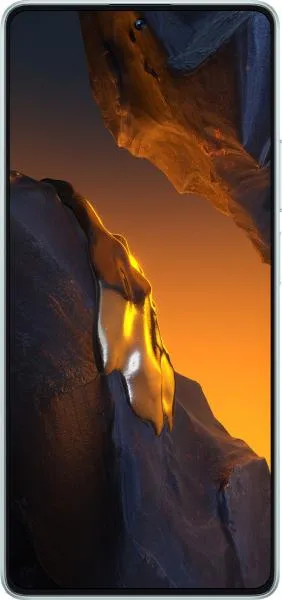

1. Specifications Comparison
| Feature | Xiaomi Poco F5 | vivo V30 | Practical Impact |
|---|---|---|---|
| Design | |||
| Dimensions (HxWxD, mm) | 161.1 x 75 x 7.9 | 164.4 x 75.1 x 7.5 | Vivo V30 is slightly larger and thinner. Negligible difference in daily use. |
| Weight (g) | 181 | 186 | Virtually identical weight; won't be noticeable. |
| Fingerprint Sensor | Side-mounted | Under-display | Personal preference; both are fast and reliable. |
| Display | |||
| Size (inches) | 6.67 | 6.78 | Vivo V30 offers a marginally larger screen. |
| Resolution (px) | 1080 x 2400 | 1260 x 2800 | Vivo V30 has a sharper display (higher pixel density: 453 vs 395 ppi), resulting in clearer text and images. |
| Type | AMOLED | AMOLED | Both offer vibrant colors and deep blacks. |
| Refresh Rate (Hz) | 120 | 120 | Both provide smooth scrolling and animations. |
| Color Depth | 68B | 1B | Vivo V30 boasts a superior color depth, offering smoother color gradations, especially noticeable in HDR content. |
| Peak Brightness (nits) | 1000 | 2800 | Vivo V30's significantly higher peak brightness ensures excellent outdoor visibility. |
| Performance | |||
| Chipset | Snapdragon 7+ Gen 2 | Snapdragon 7 Gen 3 | Both are mid-range chipsets, but the Snapdragon 7 Gen 3 in the Vivo V30 is newer and generally offers better performance and efficiency. |
| CPU | Octa-core (1x2.91 GHz X2 & 3x2.49 GHz A710 & 4x1.8 GHz A510) | Octa-core (1x2.63 GHz A715 & 3x2.4 GHz A715 & 4x1.8 GHz A510) | While clock speeds differ, real-world performance will depend on optimization. Expect the Vivo V30 to have a slight edge in sustained performance. |
| GPU | Adreno 725 | Adreno 720 | Gaming performance should be comparable, with minor advantages for the Poco F5 due to the slightly more powerful Adreno 725. |
| RAM (GB) | 8/12 | 8/12 | Both offer ample RAM for multitasking. |
| Camera | |||
| Rear Camera | 64MP Main + 8MP Ultrawide + 2MP Macro | 50MP Main + 50MP Ultrawide | Vivo V30 opts for a dual-camera setup with a higher resolution ultrawide sensor. Poco F5 includes a dedicated macro lens, though its usefulness is often debated. Image quality will depend more on sensor and software processing than megapixel count. |
| Front Camera | 16MP | 50MP | Vivo V30 boasts a significantly higher resolution front camera for detailed selfies. |
| Video Recording | Up to 4K@30fps with EIS | Up to 4K@30fps with EIS | Comparable video recording capabilities. |
| Battery | |||
| Capacity (mAh) | 5000 | 5000 | Identical battery capacity; real-world battery life will depend on software optimization and usage patterns. |
2. Key Differences Analysis
Xiaomi Poco F5 Advantages:
- Potentially slightly better GPU performance: The Adreno 725 might offer a minor edge in gaming.
- Dedicated macro lens: While quality is uncertain, it offers the option for extreme close-up shots.
- Potentially Lower Price: Based on the provided data, the Poco F5 appears to be more affordable.
vivo V30 Advantages:
- Sharper display: Higher resolution and pixel density lead to a more visually appealing experience.
- Superior color reproduction: 1B color depth provides more accurate and nuanced colors.
- Brighter display: Much higher peak brightness ensures excellent visibility in sunlight.
- Newer and More Powerful Chipset: The Snapdragon 7 Gen 3 generally offers better performance and efficiency.
- Higher resolution ultrawide and selfie cameras: Provides more detailed photos.
- More recent Android version: Offers the latest features and security updates.
3. User Profiles & Recommendations
Xiaomi Poco F5: Budget-conscious users prioritizing gaming performance and a good overall value proposition.
vivo V30: Users who value a premium display experience, excellent camera capabilities, and the latest software features. Best suited for content consumption, photography, and general use.
4. Decision Framework
Key Questions for Buyers:
- What is your budget? The Poco F5 is likely more affordable.
- Is display quality a top priority? The Vivo V30 offers a noticeably better screen.
- What are your primary use cases? Gaming might favor the Poco F5, while content consumption and photography lean towards the Vivo V30.
Scenario-Based Recommendations:
- Heavy gamer on a budget: Poco F5
- Photographer or content creator: Vivo V30
- General user seeking the best overall experience: Vivo V30
My Choice: vivo V30
While the Poco F5 offers excellent value, the vivo V30's superior display, newer processor, and improved camera system make it the more compelling device for me. The significantly brighter display, combined with the sharper resolution and wider color gamut, would greatly enhance my daily usage experience. While I acknowledge the potential minor gaming advantage of the Poco F5, the overall package offered by the Vivo V30, including the more advanced chipset and updated OS, outweighs this for my personal needs. I prioritize a visually immersive experience and appreciate the long-term benefits of a more recent Android version. The higher resolution cameras are also a significant factor, particularly the ultrawide and selfie lenses. Ultimately, I am willing to pay a potential premium for these enhancements.
