
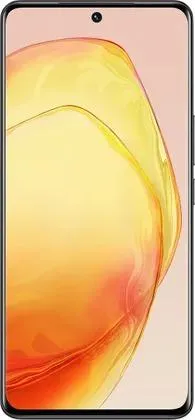
1. Specifications Comparison
| Feature | Xiaomi Poco F5 | vivo V29 | Practical Impact |
|---|---|---|---|
| Design | |||
| Dimensions (mm) | 161.1 x 75 x 7.9 | 164.2 x 74.4 x 7.5 | Vivo V29 is slightly larger and heavier. |
| Weight (g) | 181 | 186 | Negligible weight difference in practical use. |
| Fingerprint Sensor | Side-mounted | Under-display | Personal preference; both are fast and reliable. |
| Display | |||
| Size (inches) | 6.67 | 6.78 | Vivo V29 offers a slightly larger screen. |
| Resolution | 1080 x 2400 | 1260 x 2800 | Vivo V29 has a sharper display with higher pixel density (453 ppi vs 402 ppi), resulting in crisper text and images. |
| Type | AMOLED | AMOLED | Both offer vibrant colors and deep blacks. |
| Refresh Rate (Hz) | 120 | 120 | Both provide smooth scrolling and animations. |
| Color Depth | 68B | 1B | Vivo V29 boasts a 1 Billion color display, offering smoother color gradations, especially noticeable in HDR content. |
| HDR Support | Dolby Vision, HDR10+ | HDR10+ | Poco F5 supports Dolby Vision, potentially providing better HDR performance in supported content. |
| Performance | |||
| Chipset | Snapdragon 7+ Gen 2 | Snapdragon 778G+ | Poco F5 utilizes a significantly more powerful and newer chipset, resulting in noticeably faster performance in demanding tasks and games. |
| CPU | Octa-core (1x2.91 GHz Cortex-X2 & 3x2.49 GHz Cortex-A710 & 4x1.8 GHz Cortex-A510) | Octa-core (1x2.4 GHz Cortex-A78 & 3x2.2 GHz Cortex-A78 & 4x1.9 GHz Cortex-A55) | The superior CPU architecture of the Poco F5 translates to smoother multitasking and faster app loading times. |
| GPU | Adreno 725 | Adreno 642L | Poco F5's GPU offers better gaming performance and graphics rendering. |
| RAM | 8GB/12GB | 8GB/12GB | Both offer ample RAM for smooth multitasking. |
| Camera | |||
| Main Camera (MP) | 64 | 50 | While megapixels aren't everything, the Poco F5 provides more detail in well-lit conditions thanks to its higher resolution sensor. Information on sensor size and pixel size is missing for the Vivo V29 making a detailed comparison difficult. |
| Video Recording | 4K@30fps with EIS, 1080p up to 120fps with EIS | 4K@30fps, 1080p@30fps | Poco F5 offers more versatile video recording options with higher frame rates and EIS at various resolutions. |
| Battery | |||
| Capacity (mAh) | 5000 | 4600 | Poco F5 offers longer battery life. |
2. Key Differences Analysis
Xiaomi Poco F5 Advantages:
- Significantly better performance: The Snapdragon 7+ Gen 2 provides a considerable performance advantage for demanding tasks and gaming.
- Longer battery life: The 5000 mAh battery will likely last longer on a single charge.
- More versatile video recording: Higher frame rates and EIS at various resolutions provide greater flexibility.
- Dolby Vision support: Potentially better HDR experience in compatible content.
vivo V29 Advantages:
- Sharper display: Higher resolution and pixel density result in a crisper viewing experience.
- Wider color gamut: 1 Billion colors offer smoother color transitions, particularly beneficial for HDR content.
- Slightly larger display: More screen real estate for media consumption.
3. User Profiles & Recommendations
Xiaomi Poco F5: Ideal for users who prioritize performance, battery life, and value. Best for:
- Mobile gamers
- Power users who multitask heavily
- Users who demand long battery life
vivo V29: Suitable for users who prioritize display quality and design aesthetics. Best for:
- Media consumers who value a vibrant and sharp display
- Users who prefer a slightly larger screen size
4. Decision Framework
Key Questions for Buyers:
- What is your budget? The Poco F5 generally offers better value for its price.
- What are your primary use cases? Gaming and demanding tasks favor the Poco F5, while media consumption favors the Vivo V29.
- How important is battery life? The Poco F5 is likely to provide longer battery life.
My Choice: Xiaomi Poco F5
While the Vivo V29 offers a slightly better display, the Xiaomi Poco F5's superior performance, longer battery life, and more versatile video recording capabilities make it the more compelling device for me. The significant difference in processing power, coupled with the lower price point, makes the Poco F5 a better value proposition overall. I prioritize smooth performance and long battery life over a slightly larger and sharper display. The inclusion of Dolby Vision is also a plus for me. While subjective, I also prefer a side-mounted fingerprint sensor. The performance difference between the Snapdragon 7+ Gen 2 and Snapdragon 778G+ is substantial and would significantly impact my daily usage.
