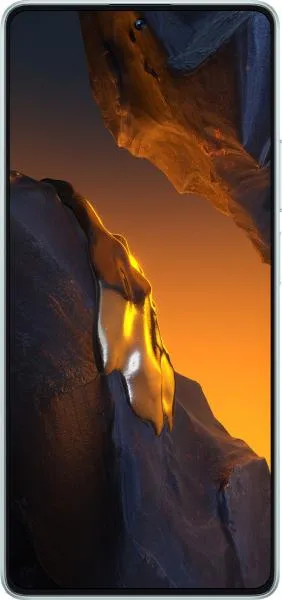
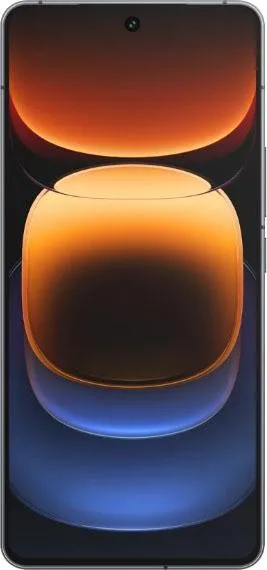
1. Specifications Comparison
| Feature | Xiaomi Poco F5 | vivo iQOO 12 | Practical Impact |
|---|---|---|---|
| Design | |||
| Dimensions (mm) | 161.1 x 75 x 7.9 | 163.2 x 75.9 x 8.1 | iQOO 12 is slightly larger and thicker. |
| Weight (g) | 181 | 198.5 | Poco F5 is noticeably lighter, more comfortable for extended use. |
| Fingerprint Sensor | Side-mounted | Under-display | Preference-based, both reliable. |
| Display | |||
| Size (inches) | 6.67 | 6.78 | Negligible difference in screen real estate. |
| Resolution | 1080 x 2400 | 1260 x 2800 | iQOO 12 has a sharper display with higher pixel density (453 ppi vs 395 ppi), resulting in crisper text and images. |
| Refresh Rate | 120Hz | 144Hz | iQOO 12 offers smoother animations and scrolling, especially noticeable in gaming and fast-paced content. |
| Panel Type | AMOLED | LTPO AMOLED | iQOO 12's LTPO panel allows for dynamic refresh rate adjustment, potentially saving battery life. |
| Peak Brightness | 1000 nits | 3000 nits | iQOO 12 is significantly brighter, ensuring better visibility outdoors. |
| Performance | |||
| Chipset | Snapdragon 7+ Gen 2 | Snapdragon 8 Gen 3 | iQOO 12 boasts a flagship-level processor, offering significantly better performance in demanding tasks and gaming. |
| CPU | Octa-core (up to 2.91 GHz) | Octa-core (up to 3.3 GHz) | iQOO 12 has a faster, more powerful CPU architecture. |
| GPU | Adreno 725 | Adreno 750 | iQOO 12's GPU delivers superior graphics performance, crucial for high-end gaming and graphically intensive applications. |
| RAM | 8/12GB | 12/16GB | iQOO 12 offers larger RAM options, enabling better multitasking and smoother performance with numerous apps. |
| Camera | |||
| Main Camera | 64MP, f/1.79 | 50MP, f/1.69 | iQOO 12's larger sensor and wider aperture likely result in better low-light performance. |
| Ultrawide | 8MP | 50MP | iQOO 12 offers a significantly better ultrawide camera with much higher resolution. |
| Telephoto | None | 64MP | iQOO 12 has a dedicated telephoto lens, enabling optical zoom capabilities. |
| Video Recording | Up to 4K@30fps | Up to 8K@30fps | iQOO 12 supports higher resolution video recording. |
| Battery | |||
| Capacity | 5000 mAh | 5000 mAh | Similar battery capacity. Real-world battery life will depend on usage and software optimization. |
| Charging Speed | Not specified | Not specified | Cannot compare charging speeds without specific data. |
2. Key Differences Analysis
Xiaomi Poco F5 Advantages:
- Lighter and More Compact: More comfortable for one-handed use and extended periods.
- More Affordable: Offers good value for its performance.
vivo iQOO 12 Advantages:
- Significantly More Powerful: Snapdragon 8 Gen 3 provides a substantial performance advantage for demanding tasks and gaming.
- Superior Display: Higher resolution, refresh rate, and peak brightness contribute to a premium viewing experience.
- More Versatile Camera System: Inclusion of a telephoto lens and a high-resolution ultrawide sensor expands photographic capabilities.
- Faster Storage: UFS 4.0 enables quicker app loading and data transfer compared to UFS 3.1 (assuming Poco F5 uses UFS 3.1, as it's common for its chipset).
3. User Profiles & Recommendations
Xiaomi Poco F5: Suitable for budget-conscious users who prioritize a lightweight phone with good performance for everyday tasks, social media, and casual gaming.
vivo iQOO 12: Ideal for power users, mobile gamers, and photography enthusiasts who demand top-tier performance, a stunning display, and a versatile camera system.
4. Decision Framework
Key Questions for Buyers:
- What is your budget? The Poco F5 offers excellent value, while the iQOO 12 commands a premium price for its flagship features.
- What are your primary use cases? For everyday tasks and casual gaming, the Poco F5 is sufficient. For demanding gaming, content creation, and photography, the iQOO 12 is better suited.
- Do you prioritize portability and comfort? The Poco F5's lighter weight and smaller size make it more comfortable for extended use.
My Choice: vivo iQOO 12
While the Poco F5 offers excellent value, the vivo iQOO 12's superior performance, display, and camera system make it the more compelling choice for me. The Snapdragon 8 Gen 3, coupled with the high refresh rate LTPO AMOLED screen, promises a significantly smoother and more responsive user experience. The versatile camera setup with a dedicated telephoto lens is also a major draw. I'm willing to pay the premium for the substantial upgrade in overall quality and future-proofing offered by the iQOO 12. The slightly larger size and weight are acceptable trade-offs for the significant gains in performance and features.
