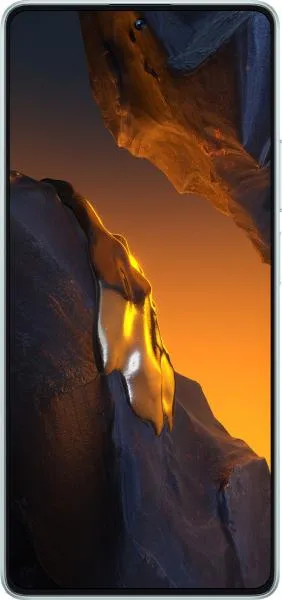
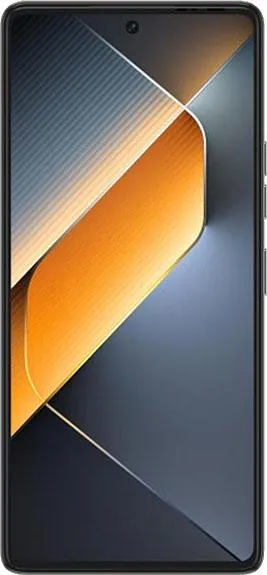
1. Specifications Comparison
| Feature | Xiaomi Poco F5 | Tecno Pova 6 Pro | Practical Impact |
|---|---|---|---|
| Design | |||
| Dimensions (mm) | 161.1 x 75 x 7.9 | 165.5 x 76.1 x 7.9 | Poco F5 is slightly smaller and may feel more comfortable in hand. |
| Weight (g) | 181 | 198 | Poco F5 is noticeably lighter, reducing hand fatigue during extended use. |
| Display | |||
| Size (inches) | 6.67 | 6.78 | Pova 6 Pro offers a slightly larger screen for more immersive content consumption. |
| Resolution (px) | 1080 x 2400 | 1080 x 2436 | Negligible difference in sharpness. |
| Type | AMOLED | AMOLED | Both offer vibrant colors and deep blacks. |
| Refresh Rate (Hz) | 120 | 120 | Both provide smooth scrolling and animations. |
| Peak Brightness (nits) | 1000 | 1300 | Pova 6 Pro should be more visible in direct sunlight. |
| HDR | Dolby Vision, HDR10+ | Unspecified | Poco F5 supports wider HDR standards, resulting in better video quality on compatible content. Lack of HDR info for Pova limits a thorough comparison. |
| Performance | |||
| Chipset | Snapdragon 7+ Gen 2 | Dimensity 6080 | Snapdragon 7+ Gen 2 offers significantly better CPU and GPU performance, resulting in smoother multitasking, faster app loading, and superior gaming. |
| CPU | Octa-core (2.91 GHz) | Octa-core (2.4 GHz) | Poco F5 has a faster, more powerful CPU architecture. |
| GPU | Adreno 725 | Mali-G57 MC2 | Adreno 725 provides a substantial advantage in graphics performance. |
| RAM | 8/12GB | 6/12GB | Both offer ample RAM, but configurations vary. |
| Camera | |||
| Main Camera (MP) | 64 | 108 | Pova 6 Pro boasts higher resolution, potentially capturing more detail. However, sensor size and other factors also impact image quality. |
| Video Recording | 4K@30fps with EIS | 1440p@30fps | Poco F5 offers better video stabilization (EIS) at 4K resolution. |
| Battery | |||
| Capacity (mAh) | 5000 | 6000 | Pova 6 Pro has a larger battery, likely providing longer battery life. |
2. Key Differences Analysis
Xiaomi Poco F5 Advantages:
- Superior Performance: The Snapdragon 7+ Gen 2 significantly outperforms the Dimensity 6080.
- Better Video Stabilization: EIS at 4K resolution provides smoother videos.
- Lighter and More Compact: Easier to handle and carry.
- Wider HDR Support: Enhances video quality on compatible content.
Tecno Pova 6 Pro Advantages:
- Larger Battery: Potentially longer battery life.
- Higher Resolution Main Camera: Potentially more detailed photos (other camera specs unclear for comprehensive analysis).
- Larger Display: More immersive viewing experience.
- Brighter Display: Better visibility in bright sunlight.
Trade-offs:
- Poco F5: Smaller battery for superior performance and a more compact design.
- Pova 6 Pro: Lower performance for longer battery life and a larger display.
3. User Profiles & Recommendations
Xiaomi Poco F5: Ideal for users who prioritize performance, smooth gaming, and a compact design. Suitable for demanding tasks, content creation, and mobile gaming.
Tecno Pova 6 Pro: Ideal for users who prioritize battery life, a large display for media consumption, and value affordability. Suitable for casual gaming, web browsing, and extended use without charging.
4. Decision Framework
Key Questions for Buyers:
- What is your budget and performance priority? Poco F5 offers better value for performance, while Pova 6 Pro offers value for its price point with a focus on battery and display size.
- How important is battery life? Pova 6 Pro's larger battery may be crucial for heavy users.
- What is your primary use case? Gaming and demanding tasks favor Poco F5; media consumption and all-day use favor Pova 6 Pro.
My Choice: Xiaomi Poco F5
While the Tecno Pova 6 Pro offers a larger battery and brighter display, the Xiaomi Poco F5's superior performance, driven by the Snapdragon 7+ Gen 2, is the deciding factor for me. I prioritize a smooth and responsive user experience for tasks like gaming, multitasking, and app usage. The Poco F5's lighter weight and more compact form factor are also appealing. The trade-off of a slightly smaller battery is acceptable given the performance gains. The lack of clear HDR specifications for the Pova and the superior video stabilization of the Poco F5 also contribute to this decision. Ultimately, the Poco F5 offers a more well-rounded package for my needs.
