1. Specifications Comparison
| Feature | Xiaomi Poco F5 | Sony Xperia 5 V | Practical Impact |
|---|---|---|---|
| Design | |||
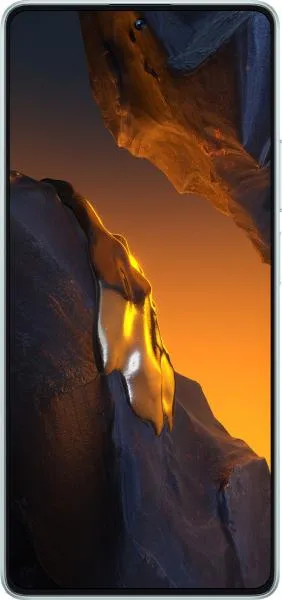
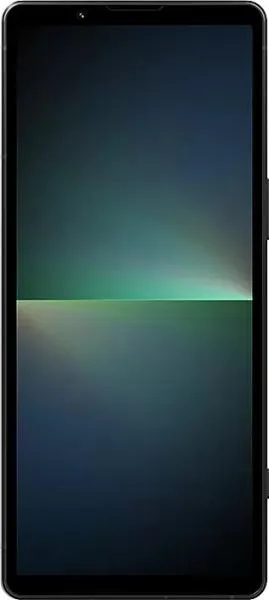
| Dimensions (mm) | 161.1 x 75 x 7.9 | 154 x 68 x 8.6 | Xperia 5 V is noticeably more compact and potentially easier to handle one-handed. |
| Weight (g) | 181 | 182 | Negligible weight difference. |
| Display | |||
| Size (inches) | 6.67 | 6.1 | Poco F5 offers a larger screen for media consumption, while Xperia 5 V prioritizes one-handed usability. |
| Resolution | 1080 x 2400 | 1080 x 2520 | Both are sharp, but Xperia 5 V has a slightly higher pixel density due to its smaller size. |
| Type | AMOLED | OLED | Both offer excellent contrast and vibrant colors, though specific panel quality can vary. |
| Refresh Rate (Hz) | 120 | 120 | Both provide smooth scrolling and animations. |
| HDR | Dolby Vision, HDR10+ | HDR10 | Poco F5 supports wider HDR formats for potentially better video playback quality. |
| Performance | |||
| Chipset | Snapdragon 7+ Gen 2 | Snapdragon 8 Gen 2 | Xperia 5 V utilizes a flagship-level processor, resulting in significantly faster performance and better multitasking. |
| CPU | Octa-core (up to 2.91 GHz) | Octa-core (up to 3.2 GHz) | Xperia 5 V has a faster and more powerful CPU architecture. |
| GPU | Adreno 725 | Adreno 740 | Xperia 5 V has a more powerful GPU, leading to smoother gaming and faster graphics rendering. |
| RAM (GB) | 8/12 | 8 | Poco F5 offers a 12GB RAM option for enhanced multitasking, while the provided specs only list 8GB for the Xperia 5 V. |
| Camera | |||
| Rear Camera | 64MP Main, 8MP Ultrawide, 2MP Macro | 48MP Main, 12MP Ultrawide | Xperia 5 V utilizes larger sensors on both main and ultrawide cameras, potentially capturing more light and detail despite lower resolution numbers. Missing macro lens on Xperia might be a drawback for some. |
| Front Camera | 16MP | 12MP | Poco F5 has a higher resolution selfie camera. |
| Video | Up to 4K@30fps with EIS | Up to 4K@120fps with OIS & EIS | Xperia 5 V offers significantly better video recording capabilities with higher resolution, frame rate, and optical image stabilization. |
| Battery | |||
| Capacity (mAh) | 5000 | 5000 | Similar battery capacities suggest comparable battery life, but real-world usage can vary based on optimization. |
| Charging | USB Type-C 2.0 | USB Type-C 3.2 | Xperia 5 V supports faster data transfer speeds due to USB 3.2. Charging speeds are not specified for either phone. |
2. Key Differences Analysis
Xiaomi Poco F5 Advantages:
- Larger Display: Better for media consumption and gaming.
- More Affordable: Offers competitive specifications at a lower price point.
- Dolby Vision & HDR10+: Wider HDR support for superior video quality.
- 12GB RAM option: Enables better multitasking for demanding users.
Sony Xperia 5 V Advantages:
- Significantly Faster Performance: Snapdragon 8 Gen 2 provides a considerable boost in speed and responsiveness.
- More Powerful GPU: Smoother gaming and graphics-intensive tasks.
- Superior Camera System: Larger sensors and advanced video recording capabilities.
- More Compact Design: Easier to hold and use with one hand.
- USB 3.2: Faster data transfer speeds.
3. User Profiles & Recommendations
Xiaomi Poco F5: Ideal for budget-conscious users who prioritize a large display for media consumption, casual gaming, and everyday tasks. Excellent value for the price.
Sony Xperia 5 V: Ideal for users who demand top-tier performance, a premium camera system, and a compact form factor. Suitable for mobile gaming enthusiasts, content creators, and those who value a flagship experience.
4. Decision Framework
Key Questions for Buyers:
- What is your budget? The Poco F5 offers significantly better value if price is a primary concern.
- What is your primary use case? Gamers and content creators will appreciate the Xperia 5 V's performance and camera, while media consumers might prefer the Poco F5's larger display.
- Do you prioritize size and portability? The Xperia 5 V is considerably more compact.
My Choice: Sony Xperia 5 V
While the Poco F5 offers incredible value, the Sony Xperia 5 V's superior performance, camera system, and compact design are more aligned with my personal preferences. The Snapdragon 8 Gen 2 provides a noticeable difference in everyday use and future-proofs the device. The enhanced camera capabilities, especially video recording with OIS and EIS, are significant upgrades. Though the price is higher, the overall user experience offered by the Xperia 5 V justifies the premium for me. I value a smooth and responsive phone, and the compact form factor is a bonus.
