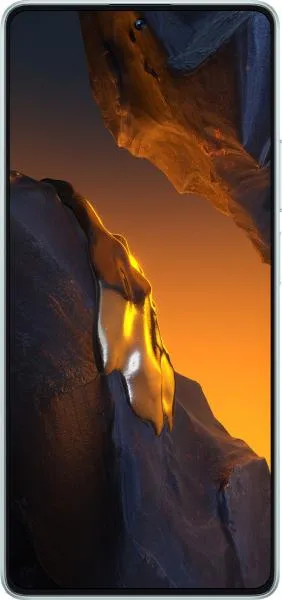
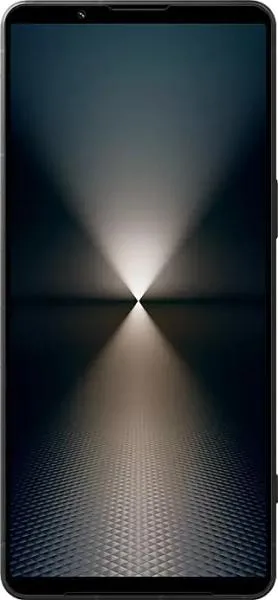
1. Specifications Comparison
| Feature | Xiaomi Poco F5 | Sony Xperia 1 VI | Practical Impact |
|---|---|---|---|
| Design | |||
| Dimensions (mm) | 161.1 x 75 x 7.9 | 162 x 74 x 8.2 | Xperia 1 VI is slightly taller and thicker. Poco F5 is slightly lighter (181g vs 192g). Negligible difference in everyday use. |
| Weight (g) | 181 | 192 | |
| Build | Not specified | Not specified | Build materials impact durability and premium feel. Lack of information limits comparison. |
| Display | |||
| Display Type | AMOLED | LTPO OLED | Both offer excellent contrast and vibrant colors. LTPO on Xperia allows for dynamic refresh rate, potentially saving battery. |
| Size (inches) | 6.67 | 6.5 | Poco F5 offers slightly larger screen real estate. |
| Resolution | 1080 x 2400 | 1080 x 2340 | Similar sharpness; difference is negligible. |
| Refresh Rate | 120Hz | 120Hz | Both offer smooth scrolling and animations. |
| Color Depth | 68B | 1B | Xperia 1 VI's 1B color offers smoother color gradations, particularly beneficial for professional content creators. |
| Performance | |||
| Chipset | Snapdragon 7+ Gen 2 | Snapdragon 8 Gen 3 | Xperia 1 VI utilizes a flagship chipset, offering significantly better performance for demanding tasks and gaming. |
| CPU | Octa-core (up to 2.91 GHz) | Octa-core (up to 3.3 GHz) | Xperia's newer and faster CPU cores provide a noticeable performance advantage in multitasking and heavy applications. |
| GPU | Adreno 725 | Adreno 750 | Xperia's superior GPU ensures smoother gaming and faster graphics rendering. |
| RAM | 8/12GB | 12GB | Both offer sufficient RAM for smooth multitasking. 12GB provides more headroom for future-proofing. |
| Camera | |||
| Main Camera | 64MP | 48MP | Resolution isn't everything. Xperia utilizes a larger sensor (1/1.4") which generally captures more light resulting in better low-light performance and dynamic range. |
| Ultrawide | 8MP | 12.2MP | Xperia offers higher resolution and likely wider field of view. |
| Telephoto | 2MP Macro | 12MP with optical zoom | Xperia offers true optical zoom, enabling lossless zoomed shots, a significant advantage over Poco's macro lens. |
| Battery | |||
| Capacity | 5000 mAh | 5000 mAh | Similar battery capacity. Actual battery life depends on optimization and usage patterns. |
| Charging Speed | Not specified | Not specified | Lack of information limits comparison. |
2. Key Differences Analysis
Xiaomi Poco F5 Advantages:
- Lower Price: Expected to be significantly cheaper.
- Slightly Larger Display: Offers marginally more screen real estate.
Sony Xperia 1 VI Advantages:
- Flagship Performance: Significantly faster CPU and GPU for demanding tasks and gaming.
- Superior Camera System: Larger sensor, true optical zoom, and professional video features.
- LTPO Display: More power-efficient display with dynamic refresh rate.
- Latest Android Version: Ships with newer Android OS and potentially longer software support.
- USB 3.2 with Video Output: Faster data transfer and ability to connect to external displays.
Trade-offs:
- Price: Xperia 1 VI's advanced features come at a premium price.
- Size and Weight: Xperia 1 VI is slightly heavier and thicker.
3. User Profiles & Recommendations
Xiaomi Poco F5: Budget-conscious users seeking a large display and good performance for everyday tasks, social media, and light gaming.
Sony Xperia 1 VI: Professionals, content creators, and mobile gamers who demand top-tier performance, a cutting-edge camera system, and the latest technology.
4. Decision Framework
Key Questions for Buyers:
- What is your budget? The Poco F5 offers excellent value, while the Xperia 1 VI is a premium device.
- What are your primary use cases? Gaming, content creation, or everyday tasks?
- How important are camera quality and features? The Xperia 1 VI significantly outperforms the Poco F5 in this area.
My Choice: Sony Xperia 1 VI
While the Poco F5 offers excellent value, the Sony Xperia 1 VI is the clear winner for me. The superior performance, advanced camera system with true optical zoom, LTPO display, and the latest Android version justify the higher price. As a user who values a smooth and powerful experience, especially for photography and multitasking, the Xperia 1 VI aligns better with my needs. The future-proofing offered by the Snapdragon 8 Gen 3 and potential for longer software updates solidifies my choice. The USB 3.2 with video output is a bonus for productivity. While price is a factor, the long-term value and enhanced user experience of the Xperia 1 VI outweigh the cost savings of the Poco F5.
