1. Specifications Comparison
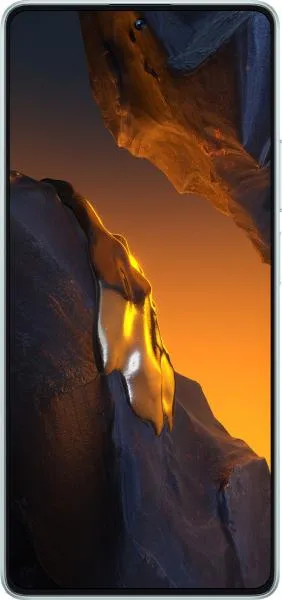
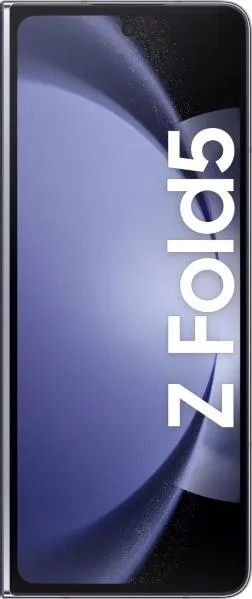
| Feature | Xiaomi Poco F5 | Samsung Galaxy Z Fold5 | Practical Impact |
|---|---|---|---|
| Design | |||
| Dimensions (mm) | 161.1 x 75 x 7.9 | 154.9 x 129.9 x 6.1 (Folded) 154.9 x 67.1 x 13.4 (Unfolded) | Fold5 significantly smaller when folded, but larger unfolded, offering more screen real estate but potentially less pocketable. |
| Weight (g) | 181 | 253 | Fold5 noticeably heavier due to folding mechanism and larger display. |
| Build | Material specifications missing for both phones, limiting comparison of durability and premium feel. | ||
| Display | |||
| Display Type | 6.67" AMOLED | 7.6" Foldable Dynamic AMOLED 2X 6.2" Cover Super AMOLED | Fold5 offers a larger, foldable main display for immersive experiences and multitasking, along with a convenient cover display for quick tasks. Poco F5 provides a standard large screen. |
| Resolution | 1080 x 2400 | 1812 x 2176 (Main) 904 x 2316 (Cover) | Fold5 boasts sharper resolution on both displays, resulting in crisper text and images. |
| Refresh Rate | 120Hz | 120Hz | Both offer smooth scrolling and animations thanks to high refresh rates. |
| Performance | |||
| Chipset | Snapdragon 7+ Gen 2 | Snapdragon 8 Gen 2 | Fold5 utilizes a flagship processor, expected to deliver significantly faster performance and better power efficiency in demanding tasks compared to the Poco F5's upper mid-range chip. |
| RAM | 8GB/12GB | 12GB | Fold5 offers more RAM across all models, enabling smoother multitasking and better handling of memory-intensive applications. |
| Camera | |||
| Main Camera | 64MP, f/1.79 | 50MP, f/1.8 | While Poco F5 has higher resolution, Fold5 utilizes a larger sensor (GN3) known for excellent low-light performance. Image quality comparison requires real-world testing. |
| Ultrawide | 8MP, f/2.2 | 12MP, f/2.2 | Fold5 offers higher resolution ultrawide, potentially capturing more detail. |
| Telephoto | 2MP Macro | 10MP, f/2.4 | Fold5 features a dedicated telephoto lens for optical zoom, absent in Poco F5. |
| Battery | |||
| Capacity | 5000 mAh | 4400 mAh | Poco F5 boasts a larger battery capacity, potentially offering longer battery life. However, Fold5's larger display and more powerful processor could impact real-world usage. |
2. Key Differences Analysis
Xiaomi Poco F5 Advantages:
- Lower Price: Significantly more affordable.
- Larger Battery: Potentially longer battery life.
- Lighter and Thinner: Easier to handle and carry.
Samsung Galaxy Z Fold5 Advantages:
- Foldable Display: Unique form factor with larger screen real estate for multitasking and media consumption.
- Flagship Performance: Significantly faster processor and more RAM for demanding tasks and smoother operation.
- Superior Camera System: Likely better overall image quality, especially in low light, and optical zoom capability.
- More Up-to-Date Software: Longer software support lifespan.
3. User Profiles & Recommendations
Xiaomi Poco F5: Budget-conscious users seeking a large screen, good performance, and long battery life. Ideal for:
- Everyday tasks: Web browsing, social media, casual gaming.
- Users prioritizing value: Offers competitive features at a lower price.
Samsung Galaxy Z Fold5: Users who value cutting-edge technology, multitasking capabilities, and a premium experience. Ideal for:
- Power users: Demanding workloads, content creation, gaming.
- Multitaskers: Utilizing the large foldable screen for productivity.
- Early adopters: Embracing innovative technology.
4. Decision Framework
Key Questions:
- Budget: How much are you willing to spend?
- Form Factor: Do you prioritize portability or a large, foldable screen?
- Performance Needs: Do you require flagship-level performance or is good enough sufficient?
Scenario-Based Recommendations:
- Limited Budget: Poco F5 offers excellent value.
- Maximum Productivity: Fold5's foldable screen enables unparalleled multitasking.
- Best Camera: Fold5 likely delivers superior image quality.
My Choice: Samsung Galaxy Z Fold5
While the Poco F5 presents excellent value, the Galaxy Z Fold5's innovative foldable design, flagship performance, and superior camera system make it the more compelling choice for me. I prioritize the unique user experience enabled by the foldable screen, the smoother performance for demanding tasks, and the ability to capture high-quality photos and videos. The higher price is justified by the significant advancements in technology and user experience offered by the Fold5. While battery life might be a concern, I am willing to compromise for the other benefits. The longer software update cycle also ensures a longer usable lifespan for the device, making it a better long-term investment.
