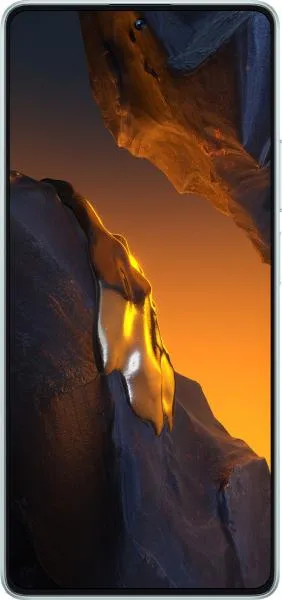
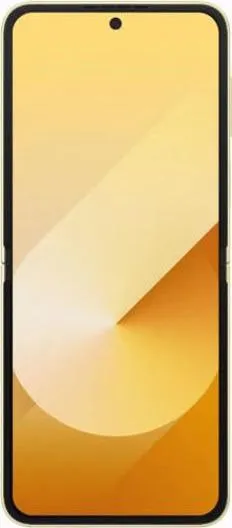
1. Specifications Comparison
| Feature | Xiaomi Poco F5 | Samsung Galaxy Z Flip6 | Practical Impact |
|---|---|---|---|
| Design | |||
| Dimensions (mm) | 161.1 x 75 x 7.9 | 165.1 x 71.9 x 6.9 | Z Flip6 is slightly shorter and narrower but thicker when folded. Poco F5 is thinner and lighter overall. Z Flip6's foldability offers unique portability. |
| Weight (g) | 181 | 187 | Negligible weight difference in practical use. |
| Foldable | No | Yes | Z Flip6's folding design allows for compact storage and a unique form factor, potentially attracting users seeking novelty and portability. |
| Display | |||
| Display Size (inches) | 6.67 | 6.7 | Very similar screen sizes offering comparable viewing experiences. |
| Resolution (px) | 1080 x 2400 | 1080 x 2640 | Z Flip6 has a slightly taller aspect ratio and higher pixel density, resulting in marginally sharper text and images. |
| Display Type | AMOLED, 120Hz | Foldable Dynamic AMOLED 2X, 120Hz | Both offer smooth scrolling and vibrant colors. Z Flip6's foldable display technology is its key differentiator, but durability concerns might exist. Missing information on Z Flip6 LTPO capabilities limits analysis of its potential for variable refresh rate and power saving. |
| Peak Brightness (nits) | 1000 | 2600 | Z Flip6 boasts significantly higher peak brightness, ensuring superior outdoor visibility. |
| Performance | |||
| Chipset | Snapdragon 7+ Gen 2 | Snapdragon 8 Gen 3 | Z Flip6 features a significantly more powerful flagship chipset, enabling smoother multitasking, faster app loading, and better gaming performance. |
| CPU | Octa-core (up to 2.91 GHz) | Octa-core (up to 3.39 GHz) | Z Flip6's higher clock speeds and more powerful Cortex-X4 core translate to noticeable performance gains in demanding tasks. |
| GPU | Adreno 725 | Adreno 750 | Z Flip6 has a more powerful GPU, providing a significant advantage in gaming and graphically intensive applications. |
| RAM (GB) | 8/12 | 12 | The Z Flip6 offers more RAM in the compared variant, enhancing multitasking capabilities and overall system responsiveness. |
| Camera | |||
| Rear Camera (MP) | 64 MP Main + 8 MP Wide + 2 MP Macro | 50 MP Main + 12 MP Wide | While Poco F5 has a higher resolution main sensor, real-world image quality depends on various factors beyond resolution. Missing sensor details for the Z Flip6 limit a thorough comparison. |
| Selfie Camera (MP) | 16 MP | 10 MP | Poco F5 has a higher resolution front-facing camera. |
| Video Recording | Up to 4K@30fps | Up to 4K@60fps | Z Flip6 supports higher resolution and frame rate video recording, enabling smoother and more detailed videos. |
| Battery | |||
| Capacity (mAh) | 5000 | 4000 | Poco F5 has a significantly larger battery, likely resulting in longer battery life. This is a crucial advantage for users prioritizing endurance. |
2. Key Differences Analysis
Xiaomi Poco F5 Advantages:
- Longer Battery Life: The significantly larger battery capacity suggests considerably longer usage time.
- Lower Price: Generally positioned in a lower price bracket.
- Potentially More Durable: Traditional slab design is generally more robust compared to foldable phones.
Samsung Galaxy Z Flip6 Advantages:
- Significantly More Powerful: The Snapdragon 8 Gen 3 offers a major performance advantage.
- Folding Form Factor: Unique design for portability and style.
- Brighter Display: Much brighter display for better outdoor visibility.
- Higher Quality Video Recording: Supports 4K@60fps video recording.
3. User Profiles & Recommendations
Xiaomi Poco F5: Ideal for users prioritizing battery life, affordability, and reliable performance for everyday tasks. Suitable for budget-conscious users, students, or anyone who needs a phone that can last a full day on a single charge. Strong use cases include web browsing, social media, media consumption, and casual gaming.
Samsung Galaxy Z Flip6: Best suited for users who value cutting-edge technology, top-tier performance, and a unique, stylish design. The compact form factor appeals to those who prioritize portability. Strong use cases include demanding tasks like mobile gaming, video editing, and multitasking, along with users who appreciate the novelty and fashion statement of a foldable device.
4. Decision Framework
Key Questions for Buyers:
- What is your budget? The Z Flip6 is significantly more expensive.
- How important is battery life? The Poco F5 offers a substantial advantage in this area.
- Do you prioritize peak performance or portability and unique design? The Z Flip6 excels in performance; the Poco F5 is a more traditional, longer-lasting phone.
My Choice: Xiaomi Poco F5
While the Samsung Galaxy Z Flip6 boasts impressive specifications and a captivating design, the Xiaomi Poco F5 emerges as my personal choice due to its compelling combination of practicality, performance, and price. The significantly larger battery capacity addresses my primary concern – ensuring all-day usage without anxiety. The Poco F5's robust performance, driven by the capable Snapdragon 7+ Gen 2, adequately handles my daily workflow and entertainment needs. While I acknowledge the Z Flip6's superior processing power, it doesn't outweigh the substantial difference in battery life and cost for my personal usage patterns. The Poco F5 offers exceptional value, delivering a well-rounded experience without the premium price tag or potential durability concerns associated with foldable phones. Ultimately, my decision prioritizes practicality and longevity over novelty and peak performance.
