1. Specifications Comparison
| Feature | Xiaomi Poco F5 | Samsung Galaxy Tab S9 FE+ | Practical Impact |
|---|---|---|---|
| Design | |||
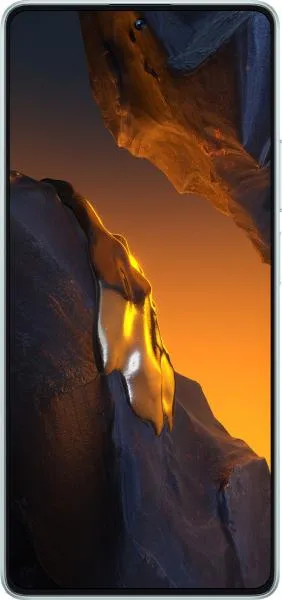
| Dimensions (mm) | 161.1 x 75 x 7.9 | 285.4 x 185.4 x 6.5 | Poco F5 is a much smaller, pocketable phone; Tab S9 FE+ is a large tablet. |
| Weight (g) | 181 | 627 | Poco F5 is significantly lighter and easier to hold for extended periods. Tab S9 FE+ is heavier and less portable. |
| Build | Unspecified | Unspecified | Build quality and materials cannot be compared due to missing information. |
| Display | |||
| Size (inches) | 6.67 | 12.4 | Tab S9 FE+ offers a much larger screen for media consumption and multitasking. |
| Resolution | 1080 x 2400 | 1600 x 2560 | While the Tab S9 FE+ has a higher resolution, the Poco F5's smaller screen results in a higher pixel density (395 ppi vs 243 ppi), potentially resulting in sharper text and images. |
| Type | AMOLED | IPS LCD | Poco F5's AMOLED offers deeper blacks, more vibrant colors, and potentially better power efficiency. |
| Refresh Rate | 120Hz | 90Hz | Poco F5's 120Hz display provides smoother animations and scrolling. |
| HDR | HDR10+, Dolby Vision | None specified | Poco F5 supports HDR content, resulting in a wider dynamic range and better visual quality in supported media. |
| Performance | |||
| Chipset | Snapdragon 7+ Gen 2 | Exynos 1380 | Snapdragon 7+ Gen 2 is generally considered a more powerful chipset, offering better performance in demanding tasks and gaming. |
| CPU | Octa-core (1x2.91 GHz X2 & 3x2.49 GHz A710 & 4x1.8 GHz A510) | Octa-core (4x2.4 GHz A78 & 4x2.0 GHz A55) | Poco F5's CPU architecture is more modern and likely to offer better performance, particularly in single-core tasks. |
| GPU | Adreno 725 | Mali-G68 MP5 | Adreno 725 generally provides better gaming performance than the Mali-G68 MP5. |
| RAM | 8GB/12GB | 8GB/12GB | Both offer similar RAM configurations, impacting multitasking capabilities. |
| Camera | |||
| Rear Camera | 64MP Main + 8MP Ultrawide + 2MP Macro | 12MP Main + 8MP Ultrawide | Poco F5 has a higher resolution main sensor, potentially capturing more detail. However, real-world performance depends on factors beyond resolution. |
| Front Camera | 16MP | 8MP | Poco F5 boasts a higher resolution selfie camera. |
| Video | 4K@30fps, 1080p@120fps | 4K@30fps, 1080p@30fps | Poco F5 offers higher frame rate video recording options for smoother slow-motion capture. |
| Battery | |||
| Capacity | 5000 mAh | 10090 mAh | Tab S9 FE+ has a significantly larger battery capacity, expected to provide much longer battery life. |
2. Key Differences Analysis
Xiaomi Poco F5 Advantages:
- Significantly more powerful: The Snapdragon 7+ Gen 2 offers a noticeable performance advantage for gaming and demanding tasks.
- Higher refresh rate display: Smoother scrolling and animations with the 120Hz AMOLED display.
- More portable: Smaller and lighter form factor makes it easier to carry and use one-handed.
- Superior camera specifications: Higher resolution main and selfie cameras.
Samsung Galaxy Tab S9 FE+ Advantages:
- Much larger display: Better for media consumption, multitasking, and creative tasks.
- Dramatically longer battery life: The 10090 mAh battery should last considerably longer on a single charge.
3. User Profiles & Recommendations
Xiaomi Poco F5: Suitable for users who prioritize performance, portability, a high-quality display, and a good camera in a smartphone form factor. Ideal for gaming, content creation on the go, and everyday use.
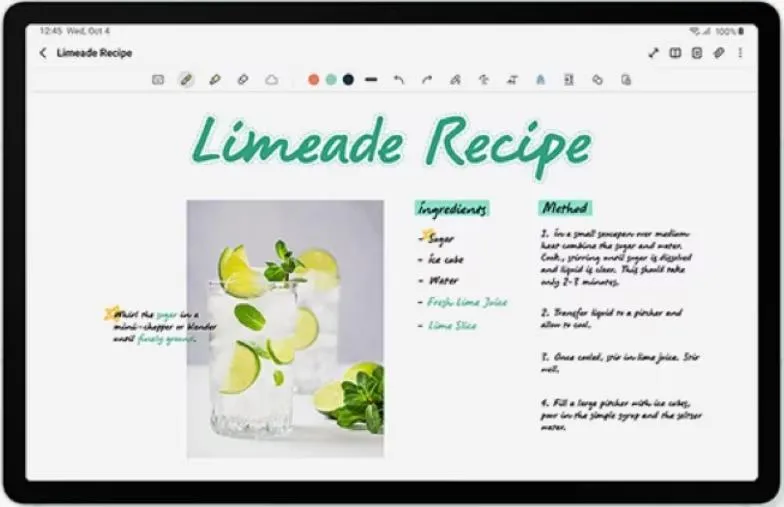
Samsung Galaxy Tab S9 FE+: Best suited for users who need a large screen for media consumption, productivity tasks, note-taking, drawing, and casual gaming. Ideal for students, artists, and those who consume a lot of media.
4. Decision Framework
Key Questions for Buyers:
- Smartphone vs. Tablet: Do you need a portable device for communication and everyday tasks (smartphone) or a larger screen for media and productivity (tablet)?
- Performance vs. Battery Life: Do you prioritize raw processing power and a smooth display, or exceptionally long battery life?
- Content Consumption vs. Creation: Will you primarily use the device for consuming media, or do you need it for demanding tasks like gaming and content creation?
My Choice: Xiaomi Poco F5
While the Samsung Galaxy Tab S9 FE+ offers a compelling large-screen experience and incredible battery life, I would choose the Xiaomi Poco F5. As a smartphone user who values performance, a smooth display, and portability, the Poco F5 better aligns with my needs. The Snapdragon 7+ Gen 2 provides ample power for demanding tasks and gaming, while the 120Hz AMOLED display offers a superior visual experience. The Tab S9 FE+'s larger size and weight would make it less practical for my daily use. Although battery life is important, I prioritize performance and portability in a smartphone. The significantly higher price of the Tab S9 FE+ for the relatively minor benefits doesn't justify the cost difference for me.
