1. Specifications Comparison
| Feature | Xiaomi Poco F5 | Samsung Galaxy Tab S9 FE | Practical Impact |
|---|---|---|---|
| Design | |||
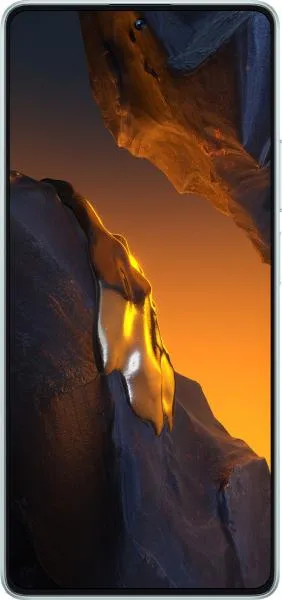
| Dimensions (mm) | 161.1 x 75 x 7.9 | 254.3 x 165.8 x 6.5 | Tab S9 FE significantly larger and heavier; Poco F5 more pocketable, Tab S9 FE better for media consumption and multitasking due to larger screen. |
| Weight (g) | 181 | 523 | Poco F5 much lighter for one-handed use; Tab S9 FE noticeable heft, impacting portability. |
| Display | |||
| Display Type | AMOLED | IPS LCD | Poco F5: deeper blacks, vibrant colors, better power efficiency in dark mode; Tab S9 FE: wider viewing angles, potentially better color accuracy in bright light. |
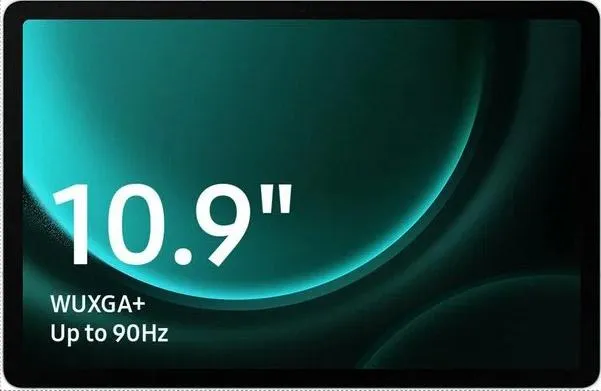
| Size (inches) | 6.67 | 10.9 | Poco F5: suitable for one-handed use; Tab S9 FE: larger screen for content creation, media consumption, and multitasking. |
| Resolution (px) | 1080 x 2400 | 1440 x 2304 | Both sharp displays; Tab S9 FE slightly higher resolution but spread over a larger area, resulting in similar pixel density. |
| Refresh Rate (Hz) | 120 | 90 | Poco F5: smoother animations, scrolling, and gaming experience; Tab S9 FE: still smooth, but less so than the Poco F5. |
| Performance | |||
| Chipset | Snapdragon 7+ Gen 2 (4 nm) | Exynos 1380 (5 nm) | Both capable mid-range chipsets; Snapdragon 7+ Gen 2 generally considered more powerful, especially in graphics performance. |
| CPU | Octa-core (up to 2.91 GHz) | Octa-core (up to 2.4 GHz) | Poco F5: likely faster in demanding tasks and gaming due to higher clock speeds and more powerful architecture. |
| GPU | Adreno 725 | Mali-G68 MP5 | Adreno 725 generally offers better gaming performance than the Mali-G68 MP5. |
| RAM (GB) | 8/12 | 6/8 | Both adequate for multitasking; 12GB option on Poco F5 provides more headroom for future-proofing and demanding applications. |
| Camera | |||
| Rear Camera (MP) | 64 MP main, 8 MP ultrawide, 2 MP macro | 12 MP main | Poco F5: more versatile camera system with higher resolution main sensor and ultrawide lens; Tab S9 FE: basic single rear camera. |
| Front Camera (MP) | 16 MP | 8 MP | Poco F5: higher resolution selfie camera. |
| Battery | |||
| Capacity (mAh) | 5000 | 8000 | Tab S9 FE: significantly larger battery capacity, expected to last much longer on a single charge, crucial for a tablet. |
2. Key Differences Analysis
Xiaomi Poco F5 Advantages:
- Superior Performance: The Snapdragon 7+ Gen 2 provides noticeably faster performance, especially in gaming.
- Smoother Display: 120Hz AMOLED display offers a more fluid and responsive user experience.
- More Versatile Camera: Triple rear camera system with a higher resolution main sensor and ultrawide lens.
- More Compact and Portable: Smaller and lighter design makes it easier to carry and use one-handed.
Samsung Galaxy Tab S9 FE Advantages:
- Larger Display: Much larger display ideal for media consumption, multitasking, and productivity.
- Significantly Longer Battery Life: 8000mAh battery provides significantly extended usage time.
- Latest Android Version with Longer Support: Ships with a newer Android version and expected to receive longer software updates.
3. User Profiles & Recommendations
Xiaomi Poco F5: Ideal for users who prioritize performance, a smooth display, a good camera, and portability. Suitable for gaming, social media, photography, and everyday use.
Samsung Galaxy Tab S9 FE: Ideal for users who prioritize a large screen for media consumption, multitasking, note-taking, and drawing. Suitable for students, artists, and anyone who consumes a lot of content on their device.
4. Decision Framework
Key Questions for Buyers:
- What is your primary use case? (Gaming, media consumption, productivity, etc.)
- How important is portability?
- What is your budget?
Scenario-Based Recommendations:
- Gamer: Poco F5 for its superior performance and smoother display.
- Student: Tab S9 FE for its large screen for note-taking and multitasking, and longer battery life.
- Content Consumer: Tab S9 FE for its large, immersive display and long battery life.
My Choice: Xiaomi Poco F5
While the Tab S9 FE offers a compelling large screen and battery life, I would choose the Xiaomi Poco F5. My priorities are performance, a smooth display, and a good camera, all areas where the Poco F5 excels. The Tab S9 FE's size, while great for media consumption, makes it less practical for everyday carry and one-handed use. The Poco F5 strikes a better balance for my needs, offering a flagship-level experience in a more portable and affordable package. The significantly faster processor and better GPU are crucial for my usage, outweighing the benefits of the Tab S9 FE's larger screen and battery. While I acknowledge the longer software support of the Tab S9 FE, the performance difference is significant enough to sway my decision.
