1. Specifications Comparison
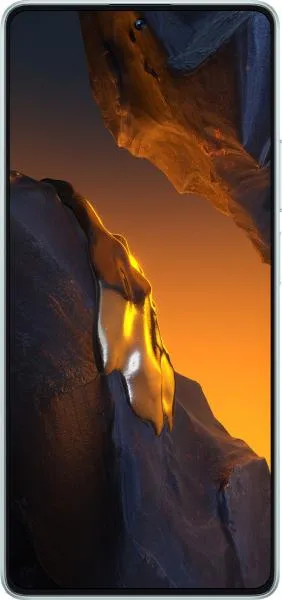
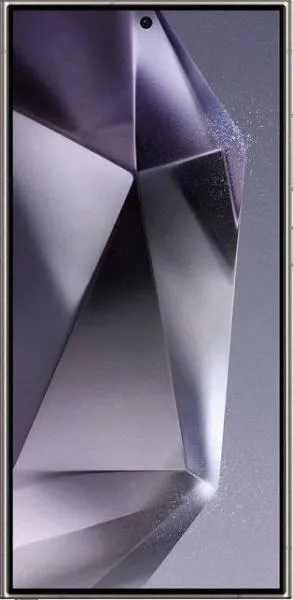
| Feature | Xiaomi Poco F5 | Samsung Galaxy S24 Ultra | Practical Impact |
|---|---|---|---|
| Design | |||
| Dimensions (mm) | 161.1 x 75 x 7.9 | 162.3 x 79 x 8.6 | S24 Ultra is slightly larger and thicker. |
| Weight (g) | 181 | 232 | S24 Ultra is noticeably heavier (51g). May impact one-handed use and portability. |
| Display | |||
| Size (inches) | 6.67 | 6.8 | S24 Ultra offers a slightly larger screen for more immersive content consumption. |
| Resolution (pixels) | 1080 x 2400 | 1440 x 3120 | S24 Ultra has a significantly sharper display (higher pixel density), resulting in crisper text and images. |
| Refresh Rate (Hz) | 120 | 120 | Both offer smooth scrolling and animations. |
| Display Type | AMOLED | Dynamic LTPO AMOLED 2X | S24 Ultra's Dynamic AMOLED 2X likely offers better color accuracy, brightness, and power efficiency due to LTPO technology. However, without specific color depth information for the Poco F5's "68B colors", a definitive comparison is not possible. |
| Peak Brightness (nits) | 1000 | 2600 | S24 Ultra's significantly higher peak brightness ensures better visibility in direct sunlight. |
| Performance | |||
| Chipset | Snapdragon 7+ Gen 2 | Snapdragon 8 Gen 3 | S24 Ultra's 8 Gen 3 chip offers significantly improved performance in demanding tasks like gaming and video editing. |
| CPU | Octa-core (up to 2.91 GHz) | Octa-core (up to 3.39 GHz) | S24 Ultra boasts a faster and more powerful CPU architecture. |
| GPU | Adreno 725 | Adreno 750 | S24 Ultra's GPU will provide a smoother gaming experience and faster graphics rendering. |
| RAM (GB) | 8/12 | 12 | Both phones offer ample RAM but the S24 Ultra's 12GB is the current high-end standard, ensuring smoother multitasking. |
| Camera | |||
| Main Camera (MP) | 64 | 200 | S24 Ultra offers much higher resolution for detailed photos. |
| Video Recording | Up to 4K@30fps | Up to 8K@30fps | S24 Ultra allows for higher resolution video recording. |
| Battery | |||
| Capacity (mAh) | 5000 | 5000 | Similar battery capacity, though real-world battery life depends on optimization and usage. |
2. Key Differences Analysis
Xiaomi Poco F5 Advantages:
- Price: Likely significantly cheaper.
- Lighter and more compact: Better for one-handed use and portability.
Samsung Galaxy S24 Ultra Advantages:
- Superior Display: Sharper, brighter, and likely more color accurate.
- Significantly Faster Performance: More powerful chipset for demanding tasks and gaming.
- Higher Resolution Camera: More detailed photos and 8K video recording.
- More Premium Features: DisplayPort, newer USB standard.
Trade-offs:
- The Poco F5 sacrifices performance and premium features for a lower price and lighter weight.
- The S24 Ultra sacrifices affordability and portability for top-tier performance and features.
3. User Profiles & Recommendations
Xiaomi Poco F5: Budget-conscious users who prioritize value and portability. Suitable for everyday tasks, social media, and casual gaming.
Samsung Galaxy S24 Ultra: Power users, photographers, and videographers who demand the best performance and features. Ideal for demanding tasks, mobile gaming, and content creation.
4. Decision Framework
Key Questions for Buyers:
- What is your budget? The Poco F5 is a mid-range option, while the S24 Ultra is a flagship device.
- What are your primary use cases? Casual use vs. demanding tasks, gaming, and content creation.
- Do you prioritize portability and one-handed use? The Poco F5 is lighter and more compact.
My Choice: Samsung Galaxy S24 Ultra
While the Poco F5 offers excellent value, the Samsung Galaxy S24 Ultra is the clear winner for me. The significantly improved performance (Snapdragon 8 Gen 3, Adreno 750), sharper and brighter display (1440 x 3120, 2600 nits), and superior camera system (200MP main sensor, 8K video) are compelling. I prioritize a smooth and responsive user experience, high-quality visuals, and the ability to handle demanding tasks and future-proof my device. Although the S24 Ultra is heavier and more expensive, the substantial upgrade in performance and features justifies the premium for my needs. The inclusion of DisplayPort for connecting to external monitors is a bonus for productivity.
