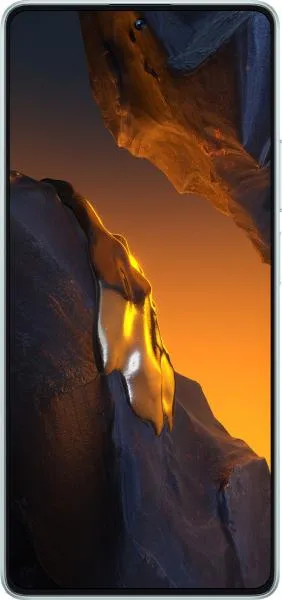

1. Specifications Comparison
| Feature | Xiaomi Poco F5 | Samsung Galaxy S24 FE | Practical Impact |
|---|---|---|---|
| Design | |||
| Dimensions (mm) | 161.1 x 75 x 7.9 | 162 x 77.3 x 8 | S24 FE slightly larger and heavier. |
| Weight (g) | 181 | 213 | Poco F5 noticeably lighter for one-handed use. |
| Build | (Information not provided) | (Information not provided) | Build materials impact durability and premium feel; information needed for comparison. |
| Display | |||
| Display Type | AMOLED | Dynamic AMOLED 2X | Both offer vibrant colors and deep blacks. Dynamic AMOLED 2X potentially brighter and more power efficient. |
| Size (inches) | 6.67 | 6.7 | Negligible size difference. |
| Resolution | 1080 x 2400 | 1080 x 2340 | Virtually identical sharpness. |
| Refresh Rate (Hz) | 120 | 120 | Both offer smooth scrolling and animations. |
| Peak Brightness (nits) | 1000 | 1900 | S24 FE significantly brighter outdoors. |
| Performance | |||
| Chipset | Snapdragon 7+ Gen 2 | Exynos 2400e | 7+ Gen 2 generally considered more efficient; Exynos 2400e performance benchmarks needed for accurate comparison. |
| CPU | Octa-core (up to 2.91 GHz) | 10-core (up to 3.1 GHz) | Core count doesn't directly translate to performance; real-world testing needed. |
| GPU | Adreno 725 | Xclipse 940 | Xclipse 940 expected to have a performance advantage in graphics-intensive tasks, but benchmarks needed. |
| RAM (GB) | 8/12 | 8 | 12GB RAM option on Poco F5 allows for better multitasking. |
| Camera | |||
| Main Camera (MP) | 64 | 50 | Megapixel count not the sole indicator of quality; sensor size and processing more crucial. S24 FE uses a larger sensor, potentially capturing more light. |
| Ultrawide (MP) | 8 | 13 | S24 FE offers a higher resolution ultrawide. |
| Telephoto (MP) | N/A | 8 | S24 FE has a dedicated telephoto lens for optical zoom. |
| Video Recording | Up to 4K@30fps | Up to 8K@30fps | S24 FE capable of higher resolution video recording. |
| Battery | |||
| Capacity (mAh) | 5000 | 4700 | Poco F5 has a larger battery, potentially longer battery life. |
| Charging Speed | (Information not provided) | (Information not provided) | Charging speed significantly impacts usability; information needed for comparison. |
2. Key Differences Analysis
Xiaomi Poco F5 Advantages:
- Lower Price: Generally more affordable.
- Larger Battery: Potentially longer battery life.
- Lighter Weight: More comfortable for extended use.
- More Powerful Chipset (Potentially): Snapdragon 7+ Gen 2 is generally well-regarded for its performance and efficiency.
Samsung Galaxy S24 FE Advantages:
- Brighter Display: Significantly better outdoor visibility.
- Dedicated Telephoto Lens: Optical zoom capability.
- Higher Resolution Video Recording: Up to 8K@30fps.
- Faster Data Transfer: USB 3.2 offers significantly faster data transfer speeds than USB 2.0.
- Potentially Better GPU: The Xclipse 940 could outperform the Adreno 725, particularly in demanding games and applications. This requires benchmarks to confirm.
3. User Profiles & Recommendations
Xiaomi Poco F5: Budget-conscious users prioritizing performance, battery life, and a lightweight design. Ideal for:
- Gamers on a budget: The Snapdragon 7+ Gen 2 offers excellent gaming performance for its price point.
- Heavy smartphone users: The large battery ensures all-day usage.
- Users sensitive to phone weight: The lighter design reduces hand fatigue.
Samsung Galaxy S24 FE: Users prioritizing camera capabilities, display quality, and the latest features. Ideal for:
- Photography enthusiasts: The versatile camera system with a telephoto lens offers greater creative control.
- Content consumers: The bright and vibrant display enhances the viewing experience.
- Users who need fast data transfer: USB 3.2 speeds up file transfers considerably.
4. Decision Framework
Key Questions for Buyers:
- What is your budget? The Poco F5 offers excellent value for its price.
- What are your primary use cases? Gaming, photography, content consumption?
- How important is battery life and portability? The Poco F5 excels in these areas.
My Choice: Samsung Galaxy S24 FE
While the Poco F5 offers incredible value, the Samsung Galaxy S24 FE's superior camera system, significantly brighter display, and faster USB connectivity make it the better overall device for my needs. The inclusion of a telephoto lens expands photographic capabilities, and the brighter display is crucial for comfortable outdoor use. Though heavier and potentially more expensive, the S24 FE provides a more premium and versatile experience. I often transfer large files, making the faster USB 3.2 standard a significant advantage. The potential performance advantage of the Exynos 2400e and Xclipse 940, pending benchmark confirmation, further solidifies my choice.
