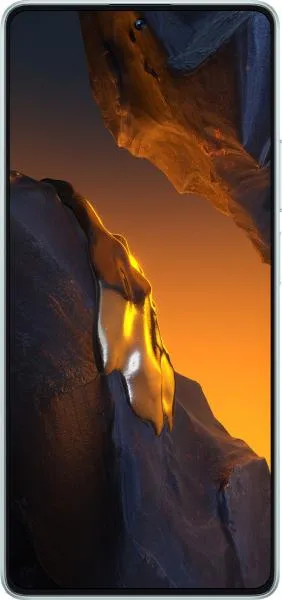

1. Specifications Comparison
| Feature | Xiaomi Poco F5 | Samsung Galaxy S24 | Practical Impact |
|---|---|---|---|
| Design | |||
| Dimensions (mm) | 161.1 x 75 x 7.9 | 147 x 70.6 x 7.6 | S24 is significantly smaller and more pocketable. |
| Weight (g) | 181 | 167 | S24 is noticeably lighter for more comfortable one-handed use. |
| Display | |||
| Size (inches) | 6.67 | 6.2 | F5 offers a larger screen for more immersive media consumption. |
| Resolution (px) | 1080 x 2400 | 1080 x 2340 | Similar sharpness; F5 slightly taller due to aspect ratio. |
| Type | AMOLED | Dynamic LTPO AMOLED 2X | Both offer vibrant colors and deep blacks; LTPO on S24 may offer better power efficiency with variable refresh rate, though specific LTPO implementation details are missing. |
| Refresh Rate (Hz) | 120 | 120 | Both offer smooth scrolling and animations. |
| Peak Brightness (nits) | 1000 | 2600 | S24 offers significantly higher peak brightness for better outdoor visibility. |
| Performance | |||
| Chipset | Snapdragon 7+ Gen 2 | Snapdragon 8 Gen 3 | S24 boasts a flagship-level processor for superior performance in demanding tasks and gaming. |
| CPU | Octa-core (up to 2.91 GHz) | Octa-core (up to 3.39 GHz) | S24's newer and faster CPU architecture provides a significant performance advantage. |
| GPU | Adreno 725 | Adreno 750 | S24's more powerful GPU delivers smoother gaming and faster graphics rendering. |
| RAM (GB) | 8/12 | 8 | Both offer sufficient RAM for multitasking; F5 offers a 12GB option for even more headroom. |
| Camera | |||
| Main Camera (MP) | 64 | 50 | Megapixel count isn't everything; image quality depends on sensor size, processing, and other factors. |
| Video Recording | Up to 4K@30fps | Up to 8K@30fps | S24 allows for significantly higher resolution video recording. |
| Other Features | OIS | OIS, 3x Optical Zoom | S24 offers optical zoom for better versatility. |
| Battery | |||
| Capacity (mAh) | 5000 | 4000 | F5 has a larger battery capacity, potentially leading to longer battery life. |
2. Key Differences Analysis
Xiaomi Poco F5 Advantages:
- Larger Display: More immersive experience for media consumption.
- Larger Battery: Potentially longer battery life.
- Lower Price: Offers excellent value for its performance.
Samsung Galaxy S24 Advantages:
- Significantly More Powerful: Superior performance for demanding tasks and gaming due to the newer generation flagship chipset.
- Brighter Display: Much better outdoor visibility.
- Premium Design: Smaller, lighter, and more pocketable.
- 8K Video Recording: Captures incredibly detailed videos.
- Optical Zoom: Provides greater versatility for photography.
- DisplayPort: Enables direct connection to external displays for presentations or desktop-like experiences.
3. User Profiles & Recommendations
Xiaomi Poco F5: Ideal for budget-conscious users who prioritize a large display, long battery life, and smooth performance for everyday tasks. Great for media consumption, social media, and casual gaming.
Samsung Galaxy S24: Ideal for users who demand top-tier performance, a premium design, and advanced camera features. Excellent for mobile gaming, professional photography/videography, and power users who need the best possible performance.
4. Decision Framework
Key Questions for Buyers:
- What is your budget? The Poco F5 offers significantly better value in terms of price-to-performance.
- What are your primary use cases? For demanding tasks and gaming, the S24's superior performance is crucial. For media consumption, the F5's larger display might be preferred.
- How important is portability and premium design? The S24 is significantly smaller and lighter.
Scenario-Based Recommendations:
- Tight Budget, Casual User: Poco F5
- Power User, Gamer: Samsung Galaxy S24
- Photographer/Videographer: Samsung Galaxy S24
My Choice: Samsung Galaxy S24
While the Poco F5 offers incredible value, the Samsung Galaxy S24's significant performance advantage, brighter display, superior camera system with optical zoom, and more portable design make it the better choice for me. I prioritize a smooth and responsive experience in all tasks, excellent photography capabilities, and a device that's comfortable to carry around. The DisplayPort functionality is a bonus for productivity. While the price difference is substantial, the S24's overall package justifies the premium for my needs. The larger battery of the F5 is tempting, but I'd rather carry a power bank than compromise on performance and features.
