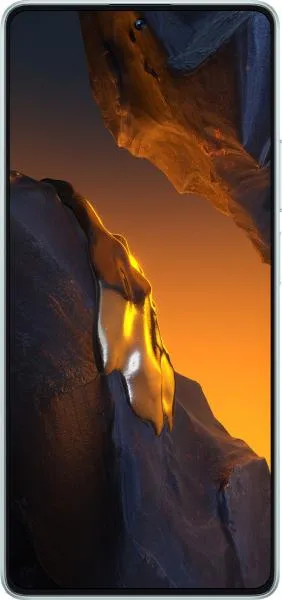

1. Specifications Comparison
| Feature | Xiaomi Poco F5 | Samsung Galaxy M35 | Practical Impact |
|---|---|---|---|
| Design | |||
| Dimensions (mm) | 161.1 x 75 x 7.9 | 162.3 x 78.6 x 9.1 | Poco F5 is slightly smaller and thinner. M35 is noticeably thicker. Impacts pocketability and one-handed use. |
| Weight (g) | 181 | 222 | Poco F5 is significantly lighter. Reduces hand fatigue during extended use. |
| Display | |||
| Size (inches) | 6.67 | 6.6 | Negligible size difference in real-world usage. |
| Resolution (px) | 1080 x 2400 | 1080 x 2340 | Virtually identical sharpness. Slight difference in aspect ratio, minimal practical impact. |
| Type | AMOLED | Super AMOLED | Both offer vibrant colors and deep blacks. Subjective preference for color tuning. |
| Refresh Rate (Hz) | 120 | 120 | Both offer smooth scrolling and animations. |
| HDR | HDR10+, Dolby Vision | Unspecified | Poco F5 supports HDR10+ and Dolby Vision, ensuring better dynamic range and color accuracy in supported content. Missing information for M35 limits comparison. |
| Performance | |||
| Chipset | Snapdragon 7+ Gen 2 (4nm) | Exynos 1380 (5nm) | Both are mid-range chipsets, but benchmarks suggest Snapdragon 7+ Gen 2 offers superior performance in demanding tasks and gaming. |
| CPU | Octa-core (1x2.91 GHz X2 & 3x2.49 GHz A710 & 4x1.8 GHz A510) | Octa-core (4x2.4 GHz A78 & 4x2.0 GHz A55) | Snapdragon's newer architecture and higher clock speeds likely translate to faster app loading, smoother multitasking, and better sustained performance. |
| GPU | Adreno 725 | Mali-G68 MP5 | Adreno 725 generally provides better gaming performance than the Mali-G68 MP5. |
| RAM (GB) | 8/12 | 6/8 | More RAM in higher Poco F5 variant enables better multitasking; base models are comparable. |
| Camera | |||
| Main Camera (MP) | 64 | 50 | Higher resolution in Poco F5 may offer slightly more detail in photos, but sensor size and processing play a crucial role. |
| Video Recording | 4K@30fps with EIS | 4K@30fps with EIS | Both offer 4K recording with electronic image stabilization. M35 boasts 480fps slow-motion, while Poco F5 offers 240fps. |
| Battery | |||
| Capacity (mAh) | 5000 | 6000 | Samsung Galaxy M35 offers significantly longer battery life. |
2. Key Differences Analysis
Xiaomi Poco F5 Advantages:
- Superior Performance: The Snapdragon 7+ Gen 2 offers a noticeable performance advantage for demanding tasks and gaming.
- HDR Support: Dolby Vision and HDR10+ provide a better viewing experience for compatible content.
- Lighter and More Compact: Easier to handle and carry.
Samsung Galaxy M35 Advantages:
- Larger Battery: Significantly longer battery life.
- Higher Slow-Motion Video Capture: 480fps vs 240fps on the Poco F5.
3. User Profiles & Recommendations
Xiaomi Poco F5: Ideal for users who prioritize performance, a smooth user experience, and value a lighter, more compact phone. Suitable for gamers, power users, and those consuming HDR content.
Samsung Galaxy M35: Best suited for users who prioritize long battery life and frequently record slow-motion videos. Ideal for users who are less demanding of raw processing power.
4. Decision Framework
Key Questions:
- What is your budget? Both are mid-range, but specific pricing should be compared.
- Is performance or battery life more important? Poco F5 excels in performance, while M35 offers longer battery life.
- What are your primary use cases? Gaming and media consumption favor the Poco F5, while extended usage without charging favors the M35.
My Choice: Xiaomi Poco F5
While the Samsung Galaxy M35 offers a compelling advantage with its larger battery, the Xiaomi Poco F5's significantly superior performance, confirmed by benchmarks and architectural analysis, is the deciding factor for me. I prioritize a smooth and responsive user experience, especially for demanding tasks and occasional gaming. The lighter weight and smaller form factor are also preferable for daily use. The lack of specific HDR information for the M35 is also concerning. While battery life is important, I can manage charging routines more easily than I can tolerate performance lags. Ultimately, the Poco F5 offers a better balance of features and performance for my needs.
