
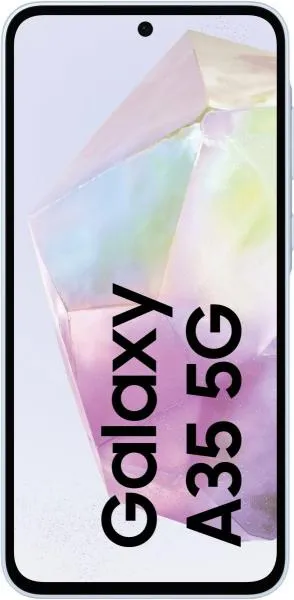
1. Specifications Comparison
| Feature | Xiaomi Poco F5 | Samsung Galaxy A35 | Practical Impact |
|---|---|---|---|
| Design | |||
| Dimensions (mm) | 161.1 x 75 x 7.9 | 161.7 x 78 x 8.2 | Poco F5 is slightly smaller and thinner. A35 may feel bulkier in hand. |
| Weight (g) | 181 | 209 | Poco F5 is noticeably lighter, reducing hand fatigue during extended use. |
| Fingerprint Sensor | Side-mounted | Under-display | Preference-dependent. Side-mounted often faster, under-display feels more modern. |
| Display | |||
| Display Size (inches) | 6.67 | 6.6 | Negligible difference in screen real estate. |
| Resolution (pixels) | 1080 x 2400 | 1080 x 2340 | Virtually identical sharpness. |
| Display Type | AMOLED, 120Hz, Dolby Vision, HDR10+ | Super AMOLED, 120Hz | Both offer smooth scrolling with 120Hz. Poco F5 supports Dolby Vision and HDR10+ for superior dynamic range and color accuracy in compatible content. Missing HDR info on A35 limits comparison. |
| Peak Brightness (nits) | 1000 | 1000 | Both should offer good outdoor visibility. |
| Performance | |||
| Chipset | Snapdragon 7+ Gen 2 (4nm) | Exynos 1380 (5nm) | Snapdragon 7+ Gen 2 generally benchmarks higher, indicating potentially smoother performance in demanding tasks and games. |
| CPU | Octa-core (1x2.91 GHz X2 & 3x2.49 GHz A710 & 4x1.8 GHz A510) | Octa-core (4x2.4 GHz A78 & 4x2.0 GHz A55) | Poco F5's CPU architecture, featuring a powerful Cortex-X2 core, suggests a significant performance advantage, especially in single-core tasks. |
| GPU | Adreno 725 | Mali-G68 MP5 | Adreno 725 generally delivers better gaming performance than the Mali-G68 MP5. |
| RAM | 8GB/12GB | 6GB/8GB | Poco F5 offers a 12GB RAM option for better multitasking and future-proofing. |
| Camera | |||
| Main Camera (MP) | 64MP (Omnivision OV64B) | 50MP (Samsung GN8) | While megapixels aren't everything, the Samsung GN8 sensor in the A35 is generally regarded as higher quality, potentially capturing better detail and low-light performance. |
| Ultrawide (MP) | 8MP | 8MP | Similar resolution. Missing sensor details for both limit in-depth comparison. |
| Macro (MP) | 2MP | 5MP | A35 has a higher resolution macro lens, but practical benefit may be minimal given the generally low quality of macro cameras in this price range. |
| Video Capabilities | 4K@30fps, 1080p@120fps | 4K@30fps, 1080p@60fps | Poco F5 offers higher frame rate slow-motion recording at 1080p. |
| Battery | |||
| Capacity (mAh) | 5000 | 5000 | Similar battery capacity, expected similar battery life. Real-world usage will depend on software optimization and individual use patterns. |
2. Key Differences Analysis
Xiaomi Poco F5 Advantages:
- Superior Performance: The Snapdragon 7+ Gen 2 offers a significant performance advantage over the Exynos 1380, resulting in smoother gaming, faster app loading, and better multitasking.
- Lighter and Slightly Smaller: Makes it more comfortable for one-handed use and extended periods.
- Higher Resolution Video Recording: 1080p at 120fps allows for smoother slow-motion capture.
- Dolby Vision and HDR10+ Support: Provides better visual experience with compatible content.
Samsung Galaxy A35 Advantages:
- Potentially Better Main Camera: Samsung GN8 sensor is known for its quality, potentially capturing more detailed and dynamic images.
- More Modern OS with Longer Support: Launching with Android 14 and potentially receiving updates up to Android 18 gives it a longer software lifespan.
- Under-Display Fingerprint Sensor: Offers a more seamless and modern aesthetic.
3. User Profiles & Recommendations
Xiaomi Poco F5: Ideal for users who prioritize performance, especially gamers and power users. Also suitable for those who prefer a lighter and more compact phone.
Samsung Galaxy A35: Best suited for users who prioritize camera quality and software updates. Also a good choice for those who prefer the modern aesthetic of an under-display fingerprint sensor.
4. Decision Framework
Key Questions for Buyers:
- What is your budget and storage requirement? Consider the different RAM/storage configurations and their respective prices.
- What are your primary use cases? Gaming, photography, general use?
- How important is software update longevity?
Scenario-Based Recommendations:
- Gamer on a Budget: Poco F5.
- Photography Enthusiast: Galaxy A35.
- User who wants long-term software support: Galaxy A35.
My Choice: Xiaomi Poco F5
While the Samsung Galaxy A35 has a potentially better main camera and longer software support, the Xiaomi Poco F5's significant performance advantage, lighter weight, and inclusion of Dolby Vision/HDR10+ are more compelling to me. I value a smooth and responsive user experience, especially in gaming and demanding applications, which the Poco F5 is better equipped to deliver. The superior slow-motion video capabilities are a welcome bonus. While software updates are important, the performance difference will be felt daily. Ultimately, the Poco F5 offers a better balance of features and performance for my needs.
