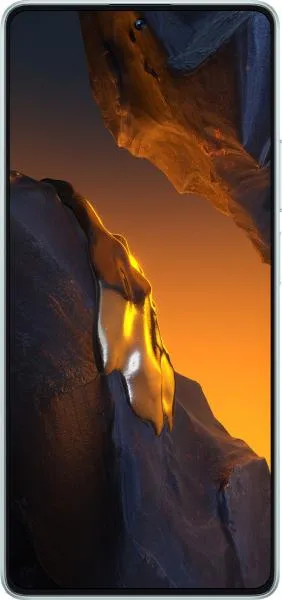
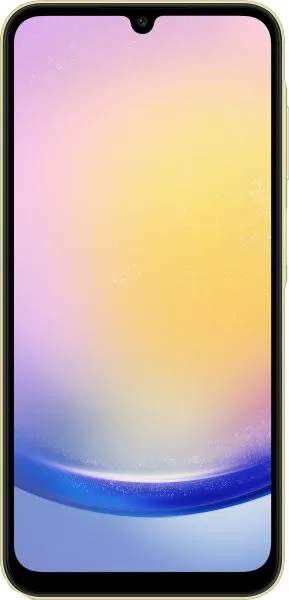
1. Specifications Comparison
| Feature | Xiaomi Poco F5 | Samsung Galaxy A15 5G | Practical Impact |
|---|---|---|---|
| Design | |||
| Dimensions (mm) | 161.1 x 75 x 7.9 | 160.1 x 76.8 x 8.4 | Poco F5 is slightly thinner and lighter. |
| Weight (g) | 181 | 200 | Noticeable difference in hand feel, Poco F5 will feel less bulky. |
| Display | |||
| Display Type | AMOLED | Super AMOLED | Both offer vibrant colors and deep blacks. |
| Display Size (inches) | 6.67 | 6.5 | Poco F5 offers a slightly larger screen for more immersive media consumption. |
| Resolution | 1080 x 2400 | 1080 x 2340 | Virtually identical sharpness. |
| Refresh Rate (Hz) | 120 | 90 | Poco F5's 120Hz offers smoother scrolling and animations. |
| Peak Brightness (nits) | 1000 | 800 | Poco F5 will be more visible in direct sunlight. |
| HDR Support | Dolby Vision, HDR10+ | Poco F5 supports wider HDR formats for better video quality on compatible content. Missing HDR specs for A15 makes direct comparison difficult. | |
| Performance | |||
| Chipset | Snapdragon 7+ Gen 2 | Dimensity 6100+ | Snapdragon 7+ Gen 2 significantly outperforms the Dimensity 6100+ in benchmarks, resulting in faster app loading, smoother multitasking, and better gaming performance. |
| CPU | Octa-core (1x2.91 GHz X2 & 3x2.49 GHz A710 & 4x1.8 GHz A510) | Octa-core (2x2.2 GHz A76 & 6x2.0 GHz A55) | Poco F5's CPU architecture is more modern and powerful. |
| GPU | Adreno 725 | Mali-G57 MC2 | Adreno 725 offers superior graphics performance for gaming and demanding tasks. |
| RAM | 8GB/12GB | 4GB/6GB/8GB | More RAM options on Poco F5, with higher configurations enabling better multitasking. |
| Camera | |||
| Main Camera (MP) | 64 | 50 | Higher resolution on Poco F5 doesn't guarantee better image quality but offers more detail for cropping. |
| Video Recording | 4K@30fps, 1080p@120fps | 1080p@30fps | Poco F5 offers significantly better video recording capabilities with higher resolution and frame rate options. |
| Optical Image Stabilization | Yes | No | OIS on Poco F5 significantly improves low-light photography and video stability. |
| Battery | |||
| Capacity (mAh) | 5000 | 5000 | Similar battery capacity suggests comparable battery life, although real-world usage can vary. |
2. Key Differences Analysis
Xiaomi Poco F5 Advantages:
- Significantly better performance: The Snapdragon 7+ Gen 2 offers a substantial performance advantage for demanding tasks and gaming.
- Smoother display: The 120Hz refresh rate provides a noticeably smoother user experience.
- Superior camera features: OIS, 4K video recording, and a higher resolution main sensor contribute to better photo and video quality.
- Brighter Display: Better visibility outdoors.
Samsung Galaxy A15 5G Advantages:
- Longer Software Support: Expected to receive updates for a longer duration.
- Potentially Lower Price: Depending on the RAM/storage configuration, the A15 can be more affordable.
3. User Profiles & Recommendations
Xiaomi Poco F5: Users who prioritize performance, a smooth display, and mobile gaming or photography/videography.
Samsung Galaxy A15 5G: Users who prioritize long-term software updates, value affordability, and have basic usage needs (social media, browsing, light gaming).
4. Decision Framework
Key Questions for Buyers:
- What is your budget? The Poco F5 generally commands a higher price.
- What are your primary use cases? Gaming, photography, and demanding tasks benefit from the Poco F5's performance.
- How important is software update longevity? The A15 is expected to receive software updates for a longer period.
My Choice: Xiaomi Poco F5
While the Samsung Galaxy A15 5G offers longer software support, the Xiaomi Poco F5 is the clear winner for me. The significant difference in performance, the smoother 120Hz display, superior camera features (especially OIS), and brighter screen contribute to a much better overall user experience. I prioritize performance and a fluid user interface, and the Poco F5 delivers in these areas convincingly. The slightly higher price is justified by the noticeable improvements in key areas. While software support is important, the superior hardware and features of the Poco F5 would make it a more enjoyable device to use daily.
