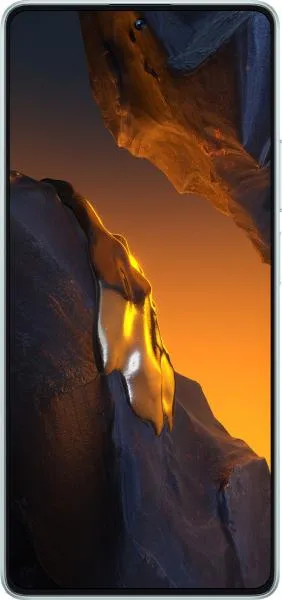
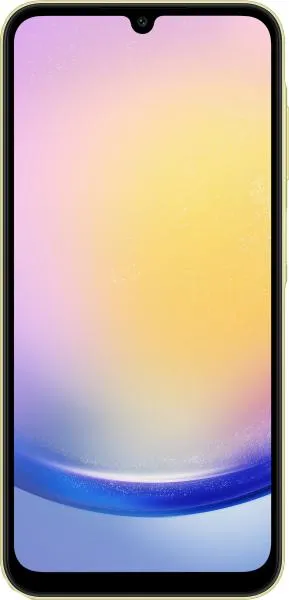
1. Specifications Comparison
| Feature | Xiaomi Poco F5 | Samsung Galaxy A15 | Practical Impact |
|---|---|---|---|
| Design | |||
| Dimensions (mm) | 161.1 x 75 x 7.9 | 160.1 x 76.8 x 8.4 | Poco F5 is slightly thinner and potentially more pocketable. |
| Weight (g) | 181 | 200 | Poco F5 is noticeably lighter, improving one-handed use. |
| Display | |||
| Size (inches) | 6.67 | 6.5 | Poco F5 offers a slightly larger screen for more immersive content. |
| Resolution (px) | 1080 x 2400 | 1080 x 2340 | Negligible difference in sharpness due to similar pixel density. |
| Refresh Rate (Hz) | 120 | 90 | Poco F5's 120Hz provides smoother scrolling and animations. |
| Display Type | AMOLED, Dolby Vision, HDR10+ | Super AMOLED | Poco F5 supports Dolby Vision and HDR10+ for better dynamic range and color accuracy in supported content. |
| Peak Brightness (nits) | 1000 | 800 | Poco F5 can get brighter, improving outdoor visibility. |
| Performance | |||
| Chipset | Snapdragon 7+ Gen 2 (4nm) | MediaTek Helio G99 (6nm) | Poco F5 boasts significantly faster CPU and GPU performance, leading to smoother multitasking, gaming, and app loading. |
| CPU | Octa-core (1x2.91 GHz X2 & 3x2.49 GHz A710 & 4x1.8 GHz A510) | Octa-core (2x2.2 GHz A76 & 6x2.0 GHz A55) | Poco F5's more modern CPU architecture delivers superior performance. |
| GPU | Adreno 725 | Mali-G57 MC2 | Poco F5's GPU provides a substantial advantage in gaming and graphics-intensive tasks. |
| RAM | 8GB/12GB | 4GB/6GB/8GB | Poco F5 offers higher RAM configurations for better multitasking. |
| Camera | |||
| Main Camera (MP) | 64 | 50 | Poco F5's higher resolution main camera potentially offers more detail. |
| Video Recording | Up to 4K@30fps with EIS | 1080p@30fps | Poco F5 allows for higher resolution video recording and features Electronic Image Stabilization (EIS) for smoother footage. |
| Battery | |||
| Capacity (mAh) | 5000 | 5000 | Similar battery capacities suggest comparable battery life, though real-world usage will vary depending on other factors. |
2. Key Differences Analysis
Xiaomi Poco F5 Advantages:
- Superior Performance: Significantly faster processor and graphics for smoother overall experience and demanding tasks.
- Smoother Display: 120Hz refresh rate for fluid scrolling and animations.
- Better Display Quality: Dolby Vision and HDR10+ support for enhanced visual experience.
- Higher Resolution and Framerate Video Recording: More detailed videos and smoother footage.
- Lighter and Thinner: More comfortable for one-handed use and portability.
Samsung Galaxy A15 Advantages:
- Potentially Longer Software Support: Samsung has improved its software update track record, potentially offering longer OS and security updates compared to Xiaomi.
- Lower Price Point (depending on configuration): More budget-friendly, especially in lower RAM/storage configurations.
3. User Profiles & Recommendations
Xiaomi Poco F5: Users who prioritize performance, a smooth display, and mobile gaming. Suitable for demanding tasks, content creation, and multimedia consumption.
Samsung Galaxy A15: Users on a tighter budget who prioritize basic functionality, long battery life, and potential for longer software updates. Suitable for everyday tasks like browsing, social media, and communication.
4. Decision Framework
Key Questions for Buyers:
- What is your budget? The Poco F5 is generally more expensive.
- What are your primary use cases? Gaming and demanding tasks favor the Poco F5, while basic usage is well-suited for the A15.
- How important is software update longevity? Samsung may offer longer support.
Scenario-Based Recommendations:
- Gamer: Poco F5
- Budget-conscious user: Samsung Galaxy A15
- Power user: Poco F5
My Choice: Xiaomi Poco F5
The Xiaomi Poco F5 offers a significantly superior user experience due to its much more powerful processor, smoother display, and better multimedia capabilities. While the Samsung Galaxy A15 is a decent budget option, the performance difference is substantial enough to justify the price premium for the Poco F5, especially for users who value a smooth and responsive phone. The 120Hz display and HDR capabilities further enhance the overall experience. While Samsung may offer longer software updates, the Poco F5's performance advantage is more compelling for my personal needs.
