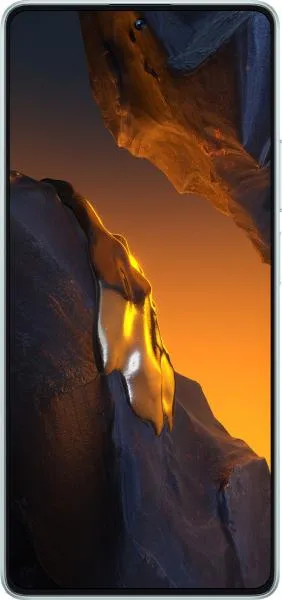

1. Specifications Comparison
| Feature | Xiaomi Poco F5 | Samsung Galaxy A06 | Practical Impact |
|---|---|---|---|
| Design | |||
| Dimensions (mm) | 161.1 x 75 x 7.9 | 167.3 x 77.3 x 8 | Poco F5 is slightly smaller and thinner, making it potentially more pocketable. |
| Weight (g) | 181 | 189 | Negligible weight difference in real-world usage. |
| Build | Missing | Missing | Material differences could impact durability and premium feel; information unavailable. |
| Display | |||
| Display Type | AMOLED | PLS LCD | Poco F5's AMOLED offers significantly better contrast, deeper blacks, and potentially brighter colors. |
| Display Size (inches) | 6.67 | 6.7 | Virtually identical screen sizes. |
| Resolution | 1080 x 2400 | 720 x 1600 | Poco F5 has a much sharper display, resulting in clearer text and images. |
| Refresh Rate | 120Hz | Unspecified | Poco F5's 120Hz refresh rate delivers smoother scrolling and animations. A06's refresh rate is unknown and impacts smoothness. |
| HDR | HDR10+, Dolby Vision | No HDR | Poco F5 supports HDR content for a wider dynamic range and more vibrant visuals in compatible content. |
| Performance | |||
| Chipset | Snapdragon 7+ Gen 2 (4nm) | Helio G85 (12nm) | Poco F5 boasts a significantly more powerful and efficient processor, enabling smoother multitasking and demanding gaming. |
| CPU | Octa-core (1x2.91 GHz Cortex-X2 & 3x2.49 GHz Cortex-A710 & 4x1.8 GHz Cortex-A510) | Octa-core (2x2.0 GHz Cortex-A75 & 6x1.8 GHz Cortex-A55) | Poco F5's CPU architecture is superior, offering higher clock speeds and improved performance cores. |
| GPU | Adreno 725 | Mali-G52 MC2 | Poco F5's GPU provides considerably better graphics performance for gaming and visually intensive tasks. |
| RAM | 8GB/12GB | 4GB/6GB | Poco F5 offers more RAM, allowing for better multitasking and smoother performance with multiple apps open. |
| Camera | |||
| Main Camera | 64MP (Omnivision OV64B) | 50MP | While megapixels aren't everything, the Poco F5 likely benefits from a larger sensor (1/2") compared to the A06 (Unspecified), potentially capturing more light and detail. |
| Ultrawide | 8MP | None | Poco F5 offers ultrawide photography for capturing broader scenes. |
| Video Recording | 4K@30fps, 1080p@120fps | 1080p@60fps | Poco F5 supports higher resolution and frame rate video recording. |
| Battery | |||
| Capacity | 5000 mAh | 5000 mAh | Identical battery capacities suggest similar potential battery life, though real-world usage will depend on other factors like display and processor efficiency. |
| Charging Speed | Unspecified | Unspecified | Charging speed comparison is not possible due to missing information. |
2. Key Differences Analysis
Xiaomi Poco F5 Advantages:
- Significantly superior performance: The Snapdragon 7+ Gen 2 chipset, faster CPU and GPU, and more RAM ensure smooth operation even with demanding tasks.
- Much better display: The AMOLED panel with 120Hz refresh rate and HDR support provides a vastly improved visual experience.
- More versatile camera system: The inclusion of an ultrawide lens and higher resolution video recording capabilities enhances photographic flexibility.
Samsung Galaxy A06 Advantages:
- Lower price: Positioned in the low price range, the A06 is significantly more affordable.
- Potentially longer software support: Launching with Android 14 and potential updates to Android 16 suggests a longer software update cycle than the Poco F5.
3. User Profiles & Recommendations
Xiaomi Poco F5: Ideal for users who prioritize performance, a high-quality display, and a versatile camera. Suitable for gamers, content creators, and those who multitask heavily.
Samsung Galaxy A06: Best suited for budget-conscious users who primarily use their phones for basic tasks like calling, texting, web browsing, and social media.
4. Decision Framework
Key Questions for Buyers:
- What is your budget? The A06 is a significantly more affordable option.
- What are your primary phone usage patterns? For demanding tasks, the Poco F5's superior performance is crucial. For basic usage, the A06 may suffice.
- How important is display quality and camera versatility? The Poco F5 significantly outperforms the A06 in these areas.
My Choice: Xiaomi Poco F5
While the Samsung Galaxy A06 offers an attractive price point, the Xiaomi Poco F5 is the clear winner for me. The significantly superior performance, stunning AMOLED display with 120Hz, and more versatile camera system make it a much more compelling device. The difference in price is justified by the substantial leap in user experience. While battery life is unknown for both, the Poco F5's more efficient processor might give it an edge. The longer potential software support of the A06 is a consideration, but the performance and feature advantages of the Poco F5 are too significant to ignore. I value a smooth and enjoyable user experience, which the Poco F5 delivers in spades.
