1. Specifications Comparison
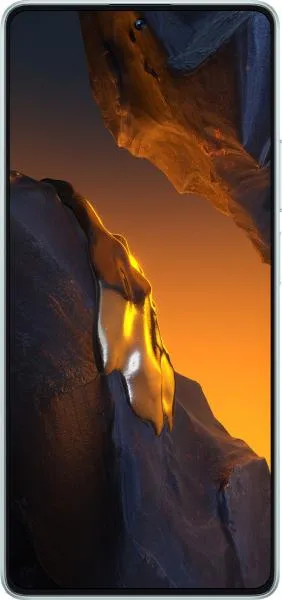
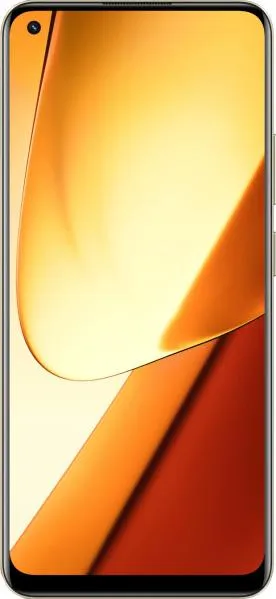
| Feature | Xiaomi Poco F5 | Realme 11 | Practical Impact |
|---|---|---|---|
| Design | |||
| Dimensions (mm) | 161.1 x 75 x 7.9 | 165.7 x 76 x 8.1 | Poco F5 is slightly smaller and thinner. |
| Weight (g) | 181 | 190 | Poco F5 is noticeably lighter, improving one-handed use. |
| Build | Missing | Missing | Build quality and materials cannot be compared. |
| Display | |||
| Display Type | AMOLED | IPS LCD | Poco F5 offers deeper blacks, more vibrant colors, and better power efficiency due to AMOLED technology. |
| Display Size | 6.67" | 6.72" | Negligible size difference. |
| Resolution | 1080 x 2400 | 1080 x 2400 | Same resolution, but pixel density is higher on the Poco F5 due to its slightly smaller screen. |
| Refresh Rate | 120Hz | 120Hz | Both offer smooth scrolling and animations. |
| HDR | HDR10+, Dolby Vision | No HDR Support | Poco F5 provides a significantly better video watching experience with HDR support. |
| Peak Brightness | 1000 nits | 680 nits | Poco F5 will be much more visible in direct sunlight. |
| Performance | |||
| Chipset | Snapdragon 7+ Gen 2 | Dimensity 6100+ | Poco F5 boasts a significantly more powerful processor, leading to much faster performance in demanding tasks and gaming. |
| CPU | Octa-core (1x2.91 GHz X2 & 3x2.49 GHz A710 & 4x1.8 GHz A510) | Octa-core (2x2.2 GHz A76 & 6x2.0 GHz A55) | The Poco F5's CPU architecture is more modern and powerful. |
| GPU | Adreno 725 | Mali-G57 MC2 | Poco F5 has a superior GPU, resulting in smoother gaming and faster graphics rendering. |
| RAM | 8GB/12GB | 8GB/12GB | Both offer ample RAM for multitasking, though specific configurations need clarification. |
| Camera | |||
| Main Camera | 64MP, f/1.79, OIS | 100MP, f/1.79 | While the Realme 11 has a higher resolution sensor, the Poco F5 features OIS for steadier shots and videos. Image quality will likely depend more on software processing, which cannot be assessed here. |
| Ultrawide | 8MP | Not specified | Poco F5 offers ultrawide photography, expanding creative possibilities. |
| Selfie Camera | 16MP | 16MP | Similar resolution, but sensor quality and software processing are unknown, making a direct comparison difficult. |
| Video Recording | 4K@30fps with EIS | 1080p@30fps | Poco F5 offers higher resolution video recording and Electronic Image Stabilization (EIS) at 4K. |
| Battery | |||
| Capacity | 5000mAh | 5000mAh | Similar battery capacity suggests comparable battery life, although actual usage will vary depending on other factors. |
| Charging Speed | Not Specified | Not Specified | Charging speeds cannot be compared without further information. |
2. Key Differences Analysis
Xiaomi Poco F5 Advantages:
- Superior Performance: The Snapdragon 7+ Gen 2 chipset offers a significant performance advantage over the Dimensity 6100+, resulting in smoother multitasking, faster app loading, and better gaming capabilities.
- Better Display: The AMOLED display provides richer colors, deeper blacks, and higher peak brightness compared to the Realme 11's IPS LCD. HDR support significantly enhances video quality.
- More Versatile Camera System: The inclusion of an ultrawide lens and OIS on the main camera provides more shooting flexibility. 4K video recording is also a significant advantage.
Realme 11 Advantages:
- Potentially Lower Price: Depending on specific market pricing, the Realme 11 might offer a slightly lower price point for a similar RAM and storage configuration. However, with the provided prices, the Poco F5 is cheaper.
- Higher resolution Main Camera: While lacking OIS, the 100MP main sensor could potentially capture more detail in ideal lighting conditions. This advantage is contingent upon effective software processing.
Trade-offs:
- The Poco F5 prioritizes performance and display quality over potentially a lower price, though with the provided data the Poco F5 is cheaper.
3. User Profiles & Recommendations
Xiaomi Poco F5: Ideal for users who prioritize performance, a high-quality display, and a versatile camera. Suitable for demanding tasks like gaming, content creation, and media consumption.
Realme 11: Suitable for users on a tighter budget who prioritize basic smartphone functionality and a large display. Best for casual usage including social media, web browsing, and light gaming.
4. Decision Framework
Key Questions for Buyers:
- What is your budget?
- What are your primary smartphone usage patterns (gaming, photography, social media, etc.)?
- How important is display quality and overall performance?
Scenario-Based Recommendations:
- Gamer: Poco F5 due to its superior processor and GPU.
- Photographer/Videographer: Poco F5 due to OIS, ultrawide lens, and 4K video recording.
- Casual User: Realme 11 if budget is extremely tight, but the Poco F5 offers significantly better value for its price.
My Choice: Xiaomi Poco F5
The Xiaomi Poco F5 is the clear winner for me. While potentially slightly more expensive (though cheaper according to the provided data), the significant performance advantage, superior AMOLED display with HDR, and more versatile camera system make it a much more compelling device. The Poco F5 offers a noticeably better user experience in almost every aspect for a marginal price difference (or even cheaper considering the data). The Realme 11's higher resolution main camera sensor doesn't outweigh the Poco F5's overall advantages, especially considering the lack of OIS. The performance gap between the two chipsets will be substantial in real-world usage.
