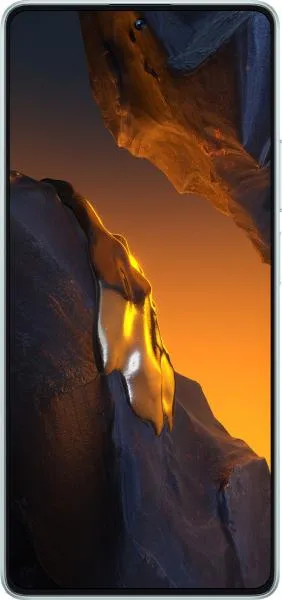
1. Specifications Comparison
| Feature | Xiaomi Poco F5 | realme 8 | Practical Impact |
|---|---|---|---|
| Design | |||
| Dimensions (mm) | 161.1 x 75 x 7.9 | 162 x 75.1 x 8.7 | Realme 8 is slightly larger and thicker. |
| Weight (g) | 181 | 191 | Poco F5 is noticeably lighter, improving one-handed use. |
| Fingerprint Sensor | Side-mounted | Under-display | Preference-based; under-display is modern, side-mounted can be faster. |
| Display | |||
| Size (inches) | 6.67 | 6.78 | Realme 8 offers a slightly larger screen for media consumption. |
| Resolution (px) | 1080 x 2400 | 1264 x 2780 | Realme 8 has a sharper display with higher pixel density (450 vs 395 ppi), resulting in crisper text and images. |
| Panel Type | AMOLED | LTPO AMOLED | Both offer vibrant colors and deep blacks. Realme 8's LTPO panel allows for dynamic refresh rate adjustment, potentially saving battery. |
| Refresh Rate (Hz) | 120 | 120 | Both offer smooth scrolling and animations. |
| Color Depth | 68B | 1B | Realme 8 supports a wider color gamut, offering more nuanced and accurate colors in supported content. |
| Peak Brightness (nits) | 1000 | 6000 | Realme 8 boasts significantly higher peak brightness, ensuring better visibility in direct sunlight. |
| Performance | |||
| Chipset | Snapdragon 7+ Gen 2 | Snapdragon 7+ Gen 3 | Realme 8 has a newer, more powerful processor, likely resulting in faster performance and better efficiency. |
| CPU | Octa-core (1x2.91 GHz X2...) | Octa-core (1x2.8 GHz X4...) | Realme 8's CPU features newer core architecture, promising improved performance, particularly in demanding tasks. |
| GPU | Adreno 725 | Adreno 732 | Realme 8 has a more powerful GPU, leading to smoother gaming and faster graphics rendering. |
| RAM (GB) | 8/12 | 12 | Realme 8 offers more RAM in the compared variant, enabling better multitasking. |
| Camera | |||
| Rear Cameras | 64MP Main, 8MP Ultrawide, 2MP Macro | Missing Information | Cannot compare without Realme 8 camera specifications. |
| Video Recording | Up to 4K@30fps with EIS | Up to 4K@60fps with OIS, EIS | Realme 8 offers higher resolution and frame rate video recording with both optical (OIS) and electronic (EIS) image stabilization for smoother footage. |
| Battery | |||
| Capacity (mAh) | 5000 | 5500 | Realme 8 has a larger battery, potentially offering longer battery life. |
2. Key Differences Analysis
Xiaomi Poco F5 Advantages:
- Lighter and more compact: Easier for one-handed use and portability.
- Potentially more affordable: Depending on specific configurations and market prices.
Realme 8 Advantages:
- More powerful processor and GPU: Smoother performance for demanding tasks and gaming.
- Sharper and brighter display: Enhanced visual experience for media consumption.
- Larger battery: Potentially longer battery life.
- Higher resolution and frame rate video recording with OIS: Superior video quality.
- Wider color gamut: More accurate and nuanced colors on display.
3. User Profiles & Recommendations
Xiaomi Poco F5: Users prioritizing affordability, a lightweight design, and good overall performance for everyday tasks.
Realme 8: Users who value top-tier performance, a premium display, longer battery life, and advanced camera capabilities for content creation.
4. Decision Framework
Key Questions for Buyers:
- What is your budget? The Poco F5 is likely more affordable.
- What are your primary use cases? Gaming and media consumption favor the Realme 8.
- How important is portability and one-handed use? The Poco F5 is lighter and more compact.
My Choice: realme 8
While missing camera details limit a full assessment, the realme 8 presents a compelling package based on available information. The superior processor, notably brighter and sharper display with LTPO technology, larger battery, and advanced video recording capabilities outweigh the Poco F5's advantages in weight and potential price. The performance and display upgrades alone would significantly enhance my daily usage, justifying the potential price difference. I prioritize a future-proof device with a premium visual experience, and the Realme 8 aligns better with these preferences.
