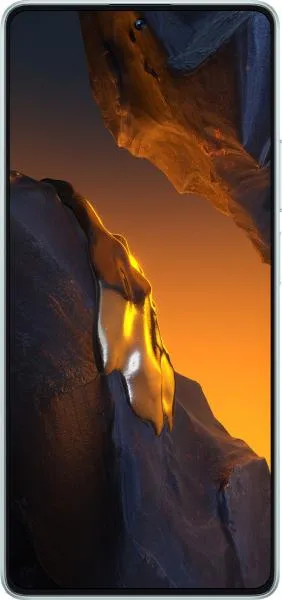

1. Specifications Comparison
| Feature | Xiaomi Poco F5 | Oppo Reno12 | Practical Impact |
|---|---|---|---|
| Design | |||
| Dimensions (mm) | 161.1 x 75 x 7.9 | 161.4 x 74.1 x 7.6 | Virtually identical in size and feel. |
| Weight (g) | 181 | 177 | Negligible weight difference in hand. |
| Fingerprint Sensor | Side-mounted | Under-display | Preference-based; under-display is modern, side-mounted can be faster. |
| Display | |||
| Size (inches) | 6.67 | 6.7 | Negligible size difference. |
| Resolution (px) | 1080 x 2400 | 1080 x 2412 | Nearly identical sharpness. |
| Panel Type | AMOLED | AMOLED | Both offer vibrant colors and deep blacks. |
| Refresh Rate (Hz) | 120 | 120 | Equally smooth scrolling and animations. |
| Color Depth | 68B | 1B | Reno12's 1B color offers smoother color gradients, potentially more accurate color reproduction. |
| Peak Brightness (nits) | 1000 | 1200 | Reno12 will be more visible in direct sunlight. |
| HDR | HDR10+, Dolby Vision | HDR10+ | Poco F5 supports Dolby Vision for enhanced HDR content on supported platforms. |
| Performance | |||
| Chipset | Snapdragon 7+ Gen 2 | Dimensity 7300 | Both are upper mid-range chipsets, but benchmarks suggest Snapdragon 7+ Gen 2 offers a noticeable performance advantage in demanding tasks and gaming. |
| CPU | Octa-core (1x2.91 GHz X2, 3x2.49 GHz A710, 4x1.8 GHz A510) | Octa-core (4x2.5 GHz A78 & 4x2.0 GHz A55) | Snapdragon's newer architecture and higher clock speeds likely translate to faster processing. |
| GPU | Adreno 725 | Mali-G615 MC2 | Adreno 725 generally offers better gaming performance. |
| RAM (GB) | 8/12 | 12 | Reno12's base model having 12GB RAM could offer better multitasking; Poco F5 also offers a 12GB option. |
| Storage | 256GB | 256GB/512GB | Reno12 offers a 512GB option for users needing more storage. |
| Camera | |||
| Main Camera (MP) | 64 | 50 | Megapixel count isn't everything; image quality depends on sensor size, processing, and other factors. |
| Selfie Camera (MP) | 16 | 32 | Reno12 boasts a higher resolution selfie camera, potentially capturing more detail. |
| Video Recording | 4K@30fps, 1080p@120fps | 4K@30fps, 1080p@480fps, 720p@960fps | Reno12 offers more advanced slow-motion video recording capabilities. |
| Battery | |||
| Capacity (mAh) | 5000 | 5000 | Similar battery life expected, though real-world usage varies. |
2. Key Differences Analysis
Xiaomi Poco F5 Advantages:
- Potentially Superior Performance: The Snapdragon 7+ Gen 2 generally benchmarks higher than the Dimensity 7300.
- Dolby Vision: Offers a better HDR experience in supported content.
Oppo Reno12 Advantages:
- Brighter Display: Easier to view outdoors in bright sunlight.
- Higher Resolution Selfie Camera & Slow-Motion Video: Caters to selfie enthusiasts and content creators.
- More RAM in Base Model: 12GB ensures smooth multitasking even with heavy usage.
- Larger Storage Option: 512GB provides ample space for apps, photos, and videos.
- More Recent OS: Starts with Android 14 and potentially longer support lifespan.
Trade-offs:
- Poco F5: Potentially lower camera performance in certain scenarios compared to the Reno12.
- Reno12: Higher price for the increased storage and RAM.
3. User Profiles & Recommendations
Xiaomi Poco F5: Suitable for users prioritizing performance and value, especially gamers and power users on a budget.
Oppo Reno12: Ideal for users who value a bright display, excellent selfie camera, ample storage, and the latest Android features. Well-suited for social media enthusiasts, content creators, and those who prioritize a longer software update cycle.
4. Decision Framework
Key Questions for Buyers:
- What is your budget? The Reno12 is generally more expensive.
- What are your primary use cases? Gaming and performance (Poco F5) vs. photography, social media, and longevity (Reno12).
- Do you prioritize raw performance or features like a brighter display and better selfie camera?
Scenario-Based Recommendations:
- Tight Budget, Focus on Gaming: Poco F5
- Content Creation and Social Media Focus: Reno12
- Latest OS and Future-Proofing: Reno12
My Choice: Oppo Reno12
While the Poco F5 offers compelling performance for its price, the Oppo Reno12's overall package is more appealing to me. The brighter display, superior selfie camera, larger storage option, and more recent OS with a potentially longer update cycle outweigh the performance advantage of the Poco F5 for my personal needs. I prioritize a well-rounded device with a long lifespan and features that enhance everyday usage, and the Reno12 delivers on those fronts. The extra cost is justified by the enhanced feature set and future-proofing offered by the Reno12.
