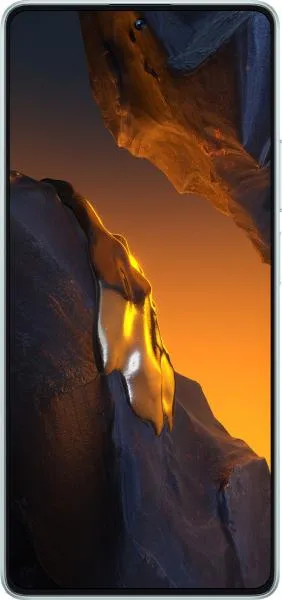

1. Specifications Comparison
| Feature | Xiaomi Poco F5 | Oppo Reno11 | Practical Impact |
|---|---|---|---|
| Design | |||
| Dimensions (mm) | 161.1 x 75 x 7.9 | 162.4 x 74.3 x 7.9 | Virtually identical in size and thickness. |
| Weight (g) | 181 | 182 | Negligible weight difference, both feel light in hand. |
| Fingerprint Sensor | Side-mounted | Under-display | Personal preference; side-mounted often faster, under-display more aesthetically integrated. |
| Display | |||
| Size (inches) | 6.67 | 6.7 | Negligible size difference. |
| Resolution (px) | 1080 x 2400 | 1080 x 2412 | Nearly identical resolutions, resulting in similar sharpness. |
| Type | AMOLED | AMOLED | Both offer vibrant colors, deep blacks, and excellent contrast. |
| Refresh Rate (Hz) | 120 | 120 | Both provide smooth scrolling and animations. |
| Color Depth | 68B | 1B | Reno11 boasts a wider color gamut, potentially offering slightly richer colors in supported content. |
| Peak Brightness (nits) | 1000 | 950 | Poco F5 slightly brighter, potentially improving outdoor visibility. |
| HDR | HDR10+, Dolby Vision | HDR10+ | Poco F5 supports Dolby Vision, providing a wider dynamic range and more vibrant colors in compatible content. |
| Performance | |||
| Chipset | Snapdragon 7+ Gen 2 (4nm) | Dimensity 7050 (6nm) | Poco F5's processor is generally considered more powerful, leading to faster performance in demanding tasks and games. |
| CPU | Octa-core (1x2.91 GHz Cortex-X2 & 3x2.49 GHz Cortex-A710 & 4x1.8 GHz Cortex-A510) | Octa-core (2x2.6 GHz Cortex-A78 & 6x2.0 GHz Cortex-A55) | Poco F5's CPU architecture offers a more powerful prime core for demanding tasks. |
| GPU | Adreno 725 | Mali-G68 MC4 | Poco F5's GPU is significantly more powerful, delivering better gaming performance and smoother graphics rendering. |
| RAM (GB) | 8/12 | 8/12 | Both offer configurations with ample RAM for multitasking. |
| Camera | |||
| Main Camera (MP) | 64 | 50 | Poco F5 has a higher resolution main sensor, potentially capturing more detail. |
| Ultrawide (MP) | 8 | 8 | Similar ultrawide cameras. |
| Telephoto (MP) | N/A | 32 | Reno11 offers a dedicated telephoto lens for optical zoom, absent in the Poco F5. |
| Selfie (MP) | 16 | 32 | Reno11 has a significantly higher resolution selfie camera. |
| Video | 4K@30fps | 4K@30fps, 720p@960fps | Both offer 4K video recording; Reno11 boasts super slow-motion capabilities at 960fps. |
| Battery | |||
| Capacity (mAh) | 5000 | 5000 | Identical battery capacities suggest similar battery life, though real-world usage can vary. |
2. Key Differences Analysis
Xiaomi Poco F5 Advantages:
- Superior Performance: The Snapdragon 7+ Gen 2 significantly outperforms the Dimensity 7050 in processing power and graphics rendering. This translates to smoother gaming, faster app loading, and better overall responsiveness.
- Dolby Vision Support: Offers a more immersive HDR experience compared to HDR10+ alone.
- Slightly Brighter Display: Improves outdoor visibility.
Oppo Reno11 Advantages:
- Telephoto Lens: Enables optical zoom for capturing distant subjects without quality loss.
- Higher Resolution Selfie Camera: Captures more detailed self-portraits.
- Super Slow-Motion Video: Offers creative possibilities with high frame rate video recording.
- Wider Color Gamut: Potentially richer colors in supported content.
3. User Profiles & Recommendations
Xiaomi Poco F5: Ideal for users who prioritize performance, especially gamers and power users. Also suitable for those seeking a vibrant display with Dolby Vision support.
Oppo Reno11: Best suited for users who value camera versatility, particularly the telephoto lens for zoomed shots and a high-resolution selfie camera. The super slow-motion video is a bonus for creative content creation.
4. Decision Framework
Key Questions for Buyers:
- What is your budget? While both are mid-range, slight price differences might exist.
- What are your primary smartphone uses? Gaming and demanding tasks vs. photography and social media.
- Which features are most important to you? Raw performance, display quality, camera versatility, or battery life.
Scenario-Based Recommendations:
- Gamer: Poco F5 for its superior performance.
- Photography Enthusiast: Reno11 for its telephoto lens and camera features.
- Casual User: Either phone would be suitable; consider price and aesthetic preferences.
My Choice: Xiaomi Poco F5
While the Oppo Reno11 offers intriguing camera features like the telephoto lens and high-resolution selfie camera, the Xiaomi Poco F5's superior performance with the Snapdragon 7+ Gen 2 is the deciding factor for me. As someone who values smooth performance in everyday tasks, gaming, and future-proofing, the significant performance advantage outweighs the Reno11's camera benefits. The brighter display and Dolby Vision support are additional bonuses. I also prefer a side-mounted fingerprint sensor for faster unlocking. While the Reno11's telephoto is attractive, I can personally compromise on zoom capabilities for a significantly smoother and faster overall user experience.
