
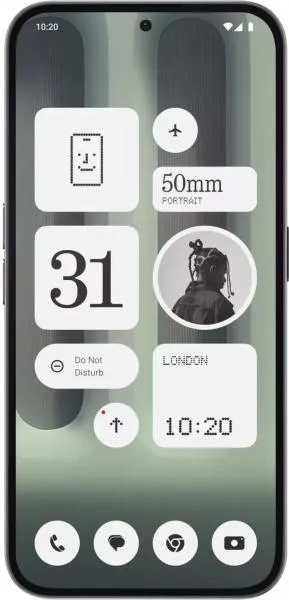
1. Specifications Comparison
| Feature | Xiaomi Poco F5 | Nothing Phone (2a) Plus | Practical Impact |
|---|---|---|---|
| Design | |||
| Dimensions (mm) | 161.1 x 75 x 7.9 | 161.7 x 76.3 x 8.5 | Poco F5 is slightly smaller and thinner. |
| Weight (g) | 181 | 190 | Poco F5 is noticeably lighter, improving one-handed use. |
| Fingerprint Sensor | Side-mounted | Under-display | Preference-based; under-display feels more modern, side-mounted can be faster. |
| Display | |||
| Size (inches) | 6.67 | 6.7 | Negligible size difference. |
| Resolution (px) | 1080 x 2400 | 1084 x 2412 | Virtually identical, resulting in similar sharpness. |
| Type | AMOLED | AMOLED | Both offer vibrant colors and deep blacks. |
| Refresh Rate (Hz) | 120 | 120 | Both provide smooth scrolling and animations. |
| Color Depth | 68B | 1B | Nothing Phone (2a) Plus boasts a wider color gamut, potentially offering more nuanced colors in supported content. |
| Peak Brightness (nits) | 1000 | 1300 | Nothing Phone (2a) Plus is significantly brighter, improving outdoor visibility. |
| HDR | HDR10+, Dolby Vision | HDR10+ | Poco F5 supports Dolby Vision, offering a potentially better HDR experience in compatible content. |
| Performance | |||
| Chipset | Snapdragon 7+ Gen 2 | Dimensity 7350 Pro | Snapdragon 7+ Gen 2 generally benchmarks higher, promising smoother performance in demanding tasks and games. |
| CPU | Octa-core (1x2.91 GHz X2 & 3x2.49 GHz A710 & 4x1.8 GHz A510) | Octa-core (2x3.0 GHz A715 & 6x2.0 GHz A510) | Poco F5's CPU architecture, including a Cortex-X2 core, indicates a likely performance advantage. |
| GPU | Adreno 725 | Mali-G610 MC4 | Adreno 725 is generally considered more powerful, leading to better gaming performance. |
| RAM (GB) | 8/12 | 12 | Both offer ample RAM for multitasking; 12GB on the Nothing Phone could provide slight future-proofing. |
| Camera | |||
| Main Camera (MP) | 64 | 50 | |
| Main Sensor Size | 1/2" | 1/1.56" | Larger sensor on the Nothing Phone(2a) Plus likely captures more light, beneficial in low-light conditions. |
| Ultrawide (MP) | 8 | 50 | Nothing Phone (2a) Plus boasts a significantly higher resolution ultrawide, capturing more detail. |
| Macro (MP) | 2 | N/A (Combined with ultrawide) | Poco F5 has a dedicated macro lens, although its low resolution limits its usefulness. |
| Selfie (MP) | 16 | 50 | Nothing Phone (2a) Plus has a much higher resolution selfie camera. |
| Battery | |||
| Capacity (mAh) | 5000 | 5000 | Identical battery capacities suggest similar battery life, although real-world usage will vary. |
| OS | Android 13 | Android 14 | Nothing Phone (2a) Plus ships with a newer Android version and longer promised software updates (up to Android 17). |
2. Key Differences Analysis
Xiaomi Poco F5 Advantages:
- Performance: Likely faster and smoother due to the more powerful Snapdragon chipset.
- Dolby Vision: Offers a potentially superior HDR experience.
- Lighter Weight: More comfortable for extended use and one-handed operation.
- Price: Often available at a lower price point than the Nothing Phone (2a) Plus.
Nothing Phone (2a) Plus Advantages:
- Brighter Display: Much better visibility outdoors.
- Wider Color Gamut: More vibrant and nuanced colors in supported content.
- Higher Resolution Ultrawide and Selfie Cameras: Significantly better detail and image quality.
- Newer OS with Longer Support: More up-to-date software with longer security and feature updates.
- Larger Main Camera Sensor: Potentially better low-light performance.
3. User Profiles & Recommendations
Xiaomi Poco F5: Ideal for users prioritizing performance and value, especially gamers and power users on a budget.
Nothing Phone (2a) Plus: Suitable for users who value display quality, camera capabilities, and software updates. Good for photography enthusiasts and those who prioritize a modern, stylish design.
4. Decision Framework
Key Questions for Buyers:
- What is your budget? The Poco F5 generally offers better value for performance.
- What are your primary use cases? Gaming and demanding tasks favor the Poco F5; photography and media consumption favor the Nothing Phone (2a) Plus.
- How important are software updates and future-proofing? The Nothing Phone (2a) Plus offers a longer software support commitment.
My Choice: Xiaomi Poco F5
While the Nothing Phone (2a) Plus has appealing features like a brighter display and better cameras, the Xiaomi Poco F5 offers a significant performance advantage thanks to the Snapdragon 7+ Gen 2 chipset. As a power user who prioritizes smooth performance and responsiveness, the Poco F5's superior processing power is more crucial to my daily usage. The lighter weight is also a plus. While I appreciate the longer software support on the Nothing phone, the performance difference is the deciding factor for me. The potential price savings further solidify the Poco F5 as the better choice for my needs.
