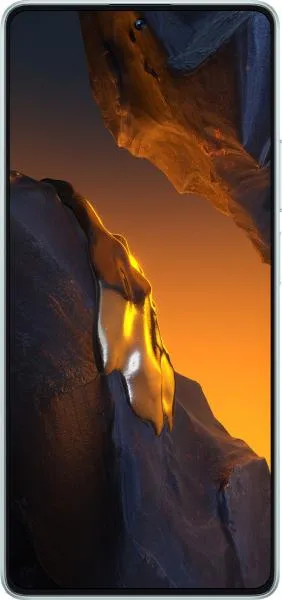
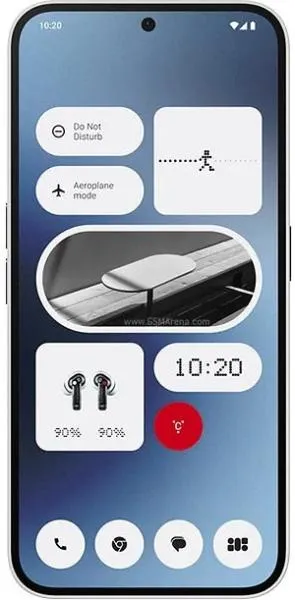
1. Specifications Comparison
| Feature | Xiaomi Poco F5 | Nothing Phone (2a) | Practical Impact |
|---|---|---|---|
| Design | |||
| Dimensions (mm) | 161.1 x 75 x 7.9 | 161.7 x 76.3 x 8.6 | Poco F5 is slightly smaller and thinner. |
| Weight (g) | 181 | 190 | Poco F5 is noticeably lighter, improving one-handed use. |
| Fingerprint Sensor | Side-mounted | Under-display | Preference-based, but under-display is often perceived as more modern. |
| Display | |||
| Display Type | AMOLED | AMOLED | Both offer vibrant colors and deep blacks. |
| Display Size (inches) | 6.67 | 6.7 | Negligible size difference. |
| Resolution (px) | 1080 x 2400 | 1084 x 2412 | Virtually identical sharpness. |
| Refresh Rate (Hz) | 120 | 120 | Both offer smooth scrolling and animations. |
| Peak Brightness (nits) | 1000 | 1300 | Nothing Phone (2a) will be more visible in direct sunlight. |
| Color Depth | 68B | 1B | Nothing Phone (2a) offers a wider color gamut, resulting in more accurate and nuanced colors for content creation and consumption. |
| Performance | |||
| Chipset | Snapdragon 7+ Gen 2 | Dimensity 7200 Pro | Both are powerful mid-range chipsets, but benchmarks suggest Snapdragon 7+ Gen 2 might offer a slight performance edge. |
| CPU | Octa-core (1x2.91 GHz X2 & 3x2.49 GHz A710 & 4x1.8 GHz A510) | Octa-core (2x2.8 GHz A715 & 6x 2.0 Cortex-A510) | Snapdragon 7+ Gen 2's higher clock speed and superior core configuration suggest better single-core performance, crucial for responsiveness. |
| GPU | Adreno 725 | Mali-G610 MC4 | Adreno 725 generally offers better gaming performance. |
| RAM (GB) | 8/12 | 8/12 | Both offer sufficient RAM for multitasking. |
| Camera | |||
| Main Camera (MP) | 64 | 50 | Poco F5 has higher resolution, but sensor size and other factors matter more for image quality. |
| Ultrawide (MP) | 8 | 50 | Nothing Phone (2a) significantly improves ultrawide quality with a higher resolution sensor. |
| Macro (MP) | 2 | - | Dedicated macro lens on Poco F5 might offer slightly better close-up shots, though quality may be limited by low resolution. |
| Selfie Camera (MP) | 16 | 32 | Nothing Phone (2a) has a higher resolution selfie camera. |
| Battery | |||
| Capacity (mAh) | 5000 | 5000 | Identical battery capacities. Real-world battery life will depend on optimization and usage. |
| OS | Android 13 | Android 14 | Nothing Phone (2a) ships with a newer Android version and will likely receive longer software updates. |
2. Key Differences Analysis
Xiaomi Poco F5 Advantages:
- Potentially faster performance: Snapdragon 7+ Gen 2 is generally considered more powerful.
- Lighter and slightly smaller: Easier for one-handed use.
- Lower starting price: Offers better value for performance.
Nothing Phone (2a) Advantages:
- Brighter display: Better outdoor visibility.
- Wider color gamut: More accurate and vibrant colors.
- Higher resolution ultrawide camera: Significantly improved ultrawide photos and videos.
- Higher resolution selfie camera: Better quality self-portraits.
- Newer Android version with longer update support: Ensures security and access to latest features for a longer period.
3. User Profiles & Recommendations
Xiaomi Poco F5: Ideal for budget-conscious users prioritizing performance and value. Excellent for gaming, general tasks, and everyday use.
Nothing Phone (2a): Best suited for users who value a premium display, better camera versatility (especially ultrawide), and longer software support. Good choice for content consumption, social media, and casual photography.
4. Decision Framework
Key Questions for Buyers:
- What is your budget? Poco F5 offers greater value for performance.
- What are your photography priorities? Nothing Phone (2a) offers a superior ultrawide and selfie camera experience.
- How important is software update longevity? Nothing Phone (2a) ships with newer software and will likely receive updates for a longer time.
My Choice: Nothing Phone (2a)
While the Poco F5 offers slightly better performance and a lower price, the Nothing Phone (2a)'s superior display, more versatile camera system, and longer software support make it a more compelling device for me. The brighter display is crucial for outdoor use, and the improved ultrawide camera significantly enhances photographic capabilities. Longer software updates ensure the phone remains secure and up-to-date for an extended period, which I highly value. The slightly higher price is justified by these crucial advantages for my personal needs and preferences.
