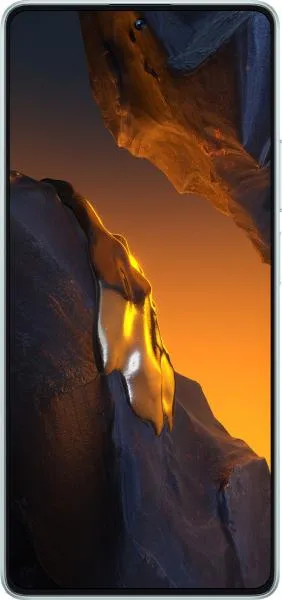
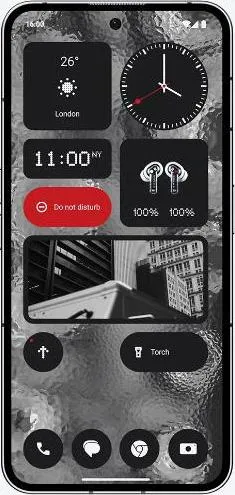
1. Specifications Comparison
| Feature | Xiaomi Poco F5 | Nothing Phone (2) | Practical Impact |
|---|---|---|---|
| Design | |||
| Dimensions (mm) | 161.1 x 75 x 7.9 | 162.1 x 76.4 x 8.6 | Poco F5 is slightly smaller and thinner. |
| Weight (g) | 181 | 201.2 | Poco F5 is noticeably lighter, more comfortable for extended use. |
| Build | Not specified | Not specified | Build quality and materials impact durability and premium feel, but cannot be compared here. |
| Display | |||
| Size (inches) | 6.67 | 6.7 | Virtually identical screen sizes. |
| Resolution (pixels) | 1080 x 2400 | 1080 x 2412 | Negligible difference in resolution. |
| Type | AMOLED | LTPO OLED | Both offer vibrant colors and deep blacks. LTPO allows for dynamic refresh rate, potentially saving battery. |
| Refresh Rate (Hz) | 120 | 120 | Both offer smooth scrolling and animations. |
| Peak Brightness (nits) | 1000 | 1600 | Nothing Phone (2) significantly brighter outdoors. |
| Color Depth | 68B | 1B | Nothing Phone (2) boasts superior color accuracy and a wider color gamut, beneficial for content creation and consumption. |
| Performance | |||
| Chipset | Snapdragon 7+ Gen 2 | Snapdragon 8+ Gen 1 | Nothing Phone (2) has a more powerful processor, leading to better performance in demanding tasks and gaming. |
| CPU | Octa-core (up to 2.91 GHz) | Octa-core (up to 3.0 GHz) | Nothing Phone (2) has slightly faster clock speeds. |
| GPU | Adreno 725 | Adreno 730 | Nothing Phone (2)'s GPU offers better graphics performance for gaming and visually intensive applications. |
| RAM (GB) | 8/12 | 8/12 | Both offer ample RAM for multitasking. |
| Camera | |||
| Rear Camera | 64MP Main, 8MP Ultrawide, 2MP Macro | 50MP Main, 50MP Ultrawide | Both have dual rear cameras. Megapixel count doesn't tell the whole story; image quality depends on sensor size, aperture, and processing. |
| Front Camera | 16MP | 32MP | Nothing Phone (2) has a higher resolution front camera. |
| Video Recording | Up to 4K@30fps | Up to 4K@60fps | Nothing Phone (2) can record higher quality video at 60fps. |
| Battery | |||
| Capacity (mAh) | 5000 | 4700 | Poco F5 has a slightly larger battery capacity, potentially offering longer battery life. |
| Charging Speed | Not specified | Not specified | Charging speed significantly impacts usability, but cannot be compared here. |
2. Key Differences Analysis
Xiaomi Poco F5 Advantages:
- Lighter and More Compact: Easier to handle and carry.
- Potentially Longer Battery Life: Larger battery capacity.
- Lower Price: Generally more affordable.
Nothing Phone (2) Advantages:
- Significantly Brighter Display: Better outdoor visibility.
- More Powerful Processor and GPU: Smoother performance, better gaming.
- Higher Quality Display: Wider color gamut and better color accuracy.
- Higher Resolution Front Camera: Better selfies.
- Higher Quality Video Recording: 4K@60fps.
- Longer Software Support: Guaranteed updates to Android 16.
Trade-offs:
- Poco F5 sacrifices performance and display quality for a lower price and potentially longer battery life.
- Nothing Phone (2) sacrifices battery capacity and portability for higher performance and a superior display.
3. User Profiles & Recommendations
Xiaomi Poco F5: Budget-conscious users who prioritize battery life and portability for everyday tasks like social media, web browsing, and light gaming.
Nothing Phone (2): Users who demand top-tier performance for demanding applications, gaming, and content creation. Users who value a high-quality display for media consumption.
4. Decision Framework
Key Questions:
- What is your budget? The Poco F5 is significantly cheaper.
- What are your primary use cases? Gaming and demanding apps benefit from the Nothing Phone (2)'s power.
- How important is battery life and portability? The Poco F5 excels in these areas.
Scenario-Based Recommendations:
- Heavy gamer: Nothing Phone (2)
- Photographer/Videographer: Nothing Phone (2)
- Casual user on a budget: Poco F5
- User who prioritizes all-day battery life: Poco F5
My Choice: Nothing Phone (2)
While the Poco F5 offers great value, the Nothing Phone (2)'s superior performance, stunning display, and longer software support make it the better choice for me. I prioritize a smooth user experience, especially for gaming and media consumption, and I'm willing to pay a premium for that. The brighter display is crucial for outdoor use, and the guaranteed software updates provide peace of mind. While the slightly lower battery capacity is a consideration, the performance and display benefits outweigh this for my personal needs.
