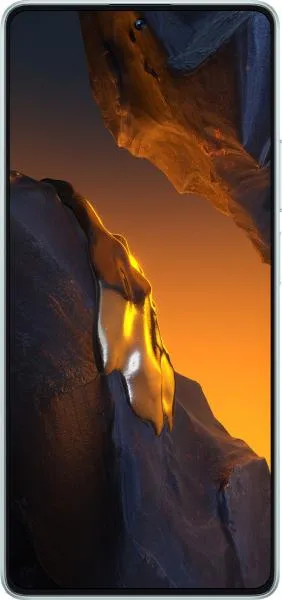
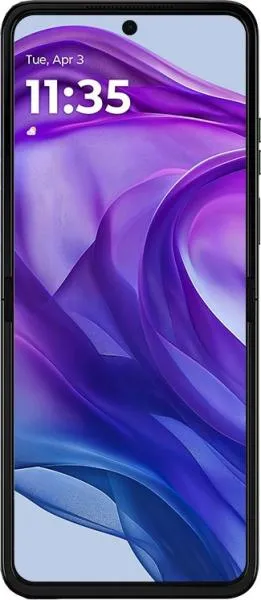
1. Specifications Comparison
| Feature | Xiaomi Poco F5 | Motorola Razr 50 Ultra | Practical Impact |
|---|---|---|---|
| Design | |||
| Dimensions (mm) | 161.1 x 75 x 7.9 | 171.4 x 74 x 7.1 | Razr 50 Ultra is taller and slightly thinner when unfolded, but significantly smaller when folded due to its foldable design. Poco F5 is a traditional slab phone. |
| Weight (g) | 181 | 189 | Negligible weight difference in practical use. |
| Foldable | No | Yes | Razr 50 Ultra offers greater portability when folded but introduces a potential point of failure with the hinge. |
| Display | |||
| Display Type | AMOLED | Foldable LTPO AMOLED | Razr 50 Ultra's foldable display allows for a larger screen in a smaller form factor when folded. LTPO potentially allows for more granular refresh rate control and better battery efficiency. |
| Size (inches) | 6.67 | 6.9 | Razr 50 Ultra offers a slightly larger viewing area. |
| Resolution | 1080 x 2400 | 1080 x 2640 | Razr 50 Ultra has a slightly taller aspect ratio and higher resolution, resulting in marginally sharper visuals. |
| Refresh Rate (Hz) | 120 | 165 | Razr 50 Ultra provides smoother animations and scrolling with its higher refresh rate. |
| Peak Brightness (nits) | 1000 | 3000 | Razr 50 Ultra is significantly brighter, making it more usable in direct sunlight. |
| Performance | |||
| Chipset | Snapdragon 7+ Gen 2 | Snapdragon 8s Gen 3 | Razr 50 Ultra boasts a more powerful flagship-level processor, leading to significantly improved performance in demanding tasks and gaming. |
| CPU | Octa-core (1x2.91 GHz X2 & 3x2.49 GHz A710 & 4x1.8 GHz A510) | Octa-core (1x3.0 GHz X4 & 4x2.8 GHz A720 & 3x2.0 GHz A520) | Razr 50 Ultra has a newer and more powerful CPU architecture, resulting in faster processing speeds. |
| GPU | Adreno 725 | Adreno 735 | Razr 50 Ultra features a more powerful GPU, leading to better gaming performance and smoother graphics rendering. |
| RAM | 12GB | 12GB | Both phones have ample RAM for multitasking. |
| Camera | |||
| Main Camera (MP) | 64 | 50 | While Poco F5 has a higher megapixel count, Razr 50 Ultra utilizes a larger sensor (Samsung GN8) potentially offering better low-light performance and dynamic range. |
| Ultrawide (MP) | 8 | N/A | Poco F5 offers an ultrawide lens for wider field of view shots, missing on the Razr. |
| Telephoto (MP) | N/A | 50 | Razr 50 Ultra includes a dedicated telephoto lens for optical zoom, absent in the Poco F5. |
| Battery | |||
| Capacity (mAh) | 5000 | 4000 | Poco F5 offers significantly longer battery life due to its larger battery capacity. |
2. Key Differences Analysis
Xiaomi Poco F5 Advantages:
- Significantly longer battery life: The 5000mAh battery provides substantially more usage time.
- Lower Price: Offers excellent value for its performance.
- Ultrawide camera: Provides versatility in photography.
Motorola Razr 50 Ultra Advantages:
- Foldable Design: Increased portability and a unique form factor.
- More Powerful Performance: Snapdragon 8s Gen 3 and Adreno 735 deliver flagship-level performance.
- Brighter Display: Much brighter display for better outdoor visibility.
- Telephoto lens: Offers optical zoom capabilities.
- Faster Refresh Rate: Smoother scrolling and animations.
3. User Profiles & Recommendations
Xiaomi Poco F5: Ideal for users who prioritize battery life, value, and all-around performance on a budget. Excellent for:
- Students
- Casual gamers
- Users who consume a lot of media
Motorola Razr 50 Ultra: Suitable for users who value cutting-edge technology, portability, and a premium design, and are willing to compromise on battery life. Excellent for:
- Trendsetters
- Business professionals seeking a compact yet powerful device
- Users who prioritize portability
4. Decision Framework
Key Questions for Buyers:
- How important is battery life? If battery life is paramount, the Poco F5 is the clear winner.
- Is a foldable design a priority? The Razr 50 Ultra offers a unique form factor that enhances portability.
- What is your budget? The Poco F5 offers significantly better value for its performance.
My Choice: Xiaomi Poco F5
While the Motorola Razr 50 Ultra offers impressive technology and a unique design, the Xiaomi Poco F5 better suits my needs. I prioritize battery life above all else, and the substantial difference in battery capacity is a decisive factor. The Poco F5 also offers excellent performance for its price, making it a more value-conscious choice. Although I appreciate the innovative foldable design of the Razr, the significantly smaller battery and higher price are trade-offs I'm not willing to make. The inclusion of an ultrawide lens further enhances the Poco F5's versatility for everyday photography. The Razr's superior performance in benchmarks is less critical for my typical usage, which involves web browsing, media consumption, and casual gaming. For me, the Poco F5 strikes the best balance between performance, battery life, features, and price.
