1. Specifications Comparison
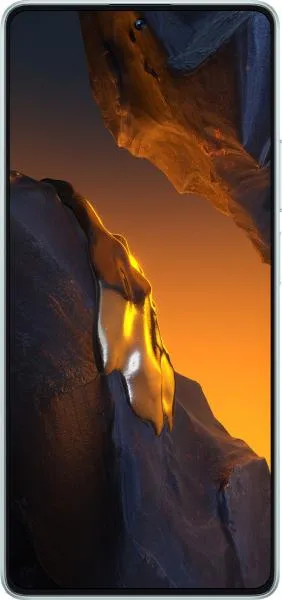
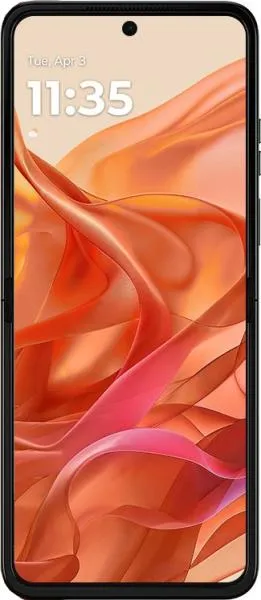
| Feature | Xiaomi Poco F5 | Motorola Razr 50 | Practical Impact |
|---|---|---|---|
| Design | |||
| Dimensions (mm) | 161.1 x 75 x 7.9 | 171.3 x 74 x 7.3 | Razr 50 is taller and slightly thinner when unfolded, but significantly thicker when folded due to its foldable design. Poco F5 is more pocketable in traditional sense. |
| Weight (g) | 181 | 188.4 | Negligible weight difference in practical usage. |
| Foldable | No | Yes | Razr 50 offers a compact folded size for portability, transforming into a larger screen when unfolded. Poco F5 offers a standard smartphone form factor. |
| Display | |||
| Size (inches) | 6.67 | 6.9 | Razr 50 has a slightly larger display area when unfolded. |
| Resolution (px) | 1080 x 2400 | 1080 x 2640 | Razr 50 has a slightly taller aspect ratio and higher resolution, resulting in marginally sharper text and images. |
| Type | AMOLED | Foldable LTPO AMOLED | Both offer vibrant colors and deep blacks. Razr 50's LTPO panel potentially allows for more granular refresh rate control, leading to better battery efficiency. Folding capability introduces a crease on the Razr's screen that might be noticeable to some users. |
| Refresh Rate (Hz) | 120 | 120 | Both offer smooth scrolling and animations. |
| Peak Brightness (nits) | 1000 | 3000 | Razr 50 boasts significantly higher peak brightness, ensuring better visibility in direct sunlight. |
| Performance | |||
| Chipset | Snapdragon 7+ Gen 2 | Dimensity 7300X | Both are mid-range chipsets, but Snapdragon 7+ Gen 2 generally benchmarks higher in terms of CPU and GPU performance, suggesting smoother gaming and multitasking on the Poco F5. |
| CPU | Octa-core (1x2.91 GHz X2 & 3x2.49 GHz A710 & 4x1.8 GHz A510) | Octa-core (4x2.5 GHz A78 & 4x2.0 GHz A55) | Poco F5's CPU architecture, featuring the newer Cortex X2 and A710 cores, indicates a potential advantage in demanding tasks and sustained performance. |
| GPU | Adreno 725 | Mali-G615 MC2 | Adreno 725 generally provides better gaming performance compared to the Mali-G615 MC2. |
| RAM (GB) | 8/12 | 8/12 | Both offer ample RAM for multitasking. |
| Camera | |||
| Main Camera (MP) | 64 | 50 | Poco F5 has a higher resolution main sensor. Image quality depends on various factors beyond resolution, and missing sensor model for Razr 50 limits detailed comparison. |
| Ultrawide (MP) | 8 | 13 | Razr 50 has a higher resolution ultrawide sensor. |
| Selfie (MP) | 16 | 32 | Razr 50 boasts a significantly higher resolution selfie camera. |
| Battery | |||
| Capacity (mAh) | 5000 | 4200 | Poco F5 has a significantly larger battery, likely translating to longer battery life. Razr 50's smaller battery might be a trade-off for the foldable design. |
2. Key Differences Analysis
Xiaomi Poco F5 Advantages:
- Superior Performance: The Snapdragon 7+ Gen 2 offers a noticeable performance advantage for demanding tasks and gaming.
- Longer Battery Life: The larger 5000 mAh battery should provide significantly longer usage time.
- Potentially Lower Price: Historically, Poco phones offer competitive pricing.
Motorola Razr 50 Advantages:
- Foldable Design: Offers unique portability and a larger screen when unfolded.
- Brighter Display: Significantly brighter display for excellent outdoor visibility.
- Higher Resolution Selfie Camera: Better for video calls and self-portraits.
3. User Profiles & Recommendations
Xiaomi Poco F5: Ideal for users prioritizing performance, battery life, and value. Excellent for gaming, multitasking, and extended use without frequent charging.
Motorola Razr 50: Ideal for users who value portability and a unique form factor above all else. The foldable design is a conversation starter and offers a larger screen in a compact package. Suitable for users who prioritize style and convenience over raw performance.
4. Decision Framework
Key Questions for Buyers:
- Is a foldable design a priority? If compactness and the novelty of a folding phone are paramount, the Razr 50 is the clear choice.
- How important is performance and battery life? If gaming, demanding apps, and all-day battery life are crucial, the Poco F5 excels.
- What is your budget? Consider the price difference between the two phones and assess if the Razr 50's foldable design justifies the potential premium.
My Choice: Xiaomi Poco F5
While the Motorola Razr 50's foldable design is intriguing, the Xiaomi Poco F5 better suits my needs. I prioritize performance and battery life, and the Poco F5 delivers in these areas thanks to its powerful Snapdragon 7+ Gen 2 chipset and larger 5000 mAh battery. The potential price difference further solidifies the Poco F5 as a more compelling value proposition for me. While I appreciate the Razr 50's portability and brighter display, the performance and battery life advantages of the Poco F5 outweigh those benefits in my personal use case. I am also concerned about the long-term durability of the folding screen and potential software optimization issues that can sometimes plague first-generation foldable devices.
