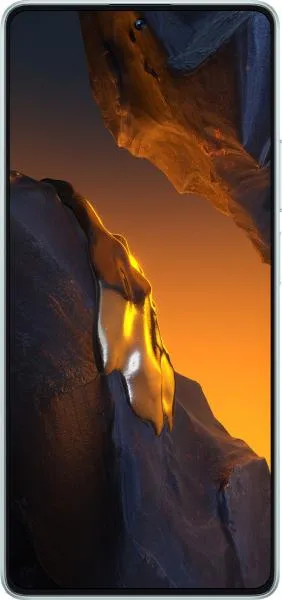

1. Specifications Comparison
| Feature | Xiaomi Poco F5 | Motorola Razr 40 Ultra | Practical Impact |
|---|---|---|---|
| Design | |||
| Dimensions (mm) | 161.1 x 75 x 7.9 | 170.8 x 74 x 7 | Razr 40 Ultra is taller and slightly thinner when unfolded, but significantly smaller when folded due to its foldable design. Poco F5 is a traditional slab phone. |
| Weight (g) | 181 | 184.5 | Negligible weight difference. |
| Foldable | No | Yes | Razr's foldable design offers portability and a unique form factor, but introduces potential durability concerns and a higher price. |
| Display | |||
| Display Size (inches) | 6.67 | 6.9 | Razr offers a slightly larger main screen. |
| Resolution (px) | 1080 x 2400 | 1080 x 2640 | Razr has a slightly taller aspect ratio and higher resolution, resulting in marginally sharper visuals. |
| Display Type | AMOLED | Foldable LTPO AMOLED | Both offer vibrant colors and deep blacks. LTPO on the Razr allows for dynamic refresh rate adjustment, potentially saving battery. |
| Refresh Rate (Hz) | 120 | 165 | Razr's higher refresh rate provides smoother animations and scrolling. |
| Peak Brightness (nits) | 1000 | 1400 | Razr's significantly higher peak brightness ensures better visibility in direct sunlight. |
| Performance | |||
| Chipset | Snapdragon 7+ Gen 2 | Snapdragon 8+ Gen 1 | Razr utilizes a more powerful flagship chipset from the previous generation, offering superior performance for demanding tasks and gaming. |
| CPU | Octa-core (1x2.91 GHz X2 & 3x2.49 GHz A710 & 4x1.8 GHz A510) | Octa-core (1x3.19 GHz X2 & 3x2.75 GHz A710 & 4x1.80 GHz A510) | Razr has faster CPU clock speeds across its cores, leading to noticeable performance gains. |
| GPU | Adreno 725 | Adreno 730 | Razr's GPU is more powerful, resulting in better gaming performance and smoother graphics rendering. |
| RAM (GB) | 8/12 | 8/12 | Both offer ample RAM for multitasking. |
| Camera | |||
| Main Camera (MP) | 64 | 12 | Poco F5 boasts higher megapixel count, but megapixels alone don't determine image quality. Sensor size and processing are crucial. Specific sensor details are missing for the Razr, making a detailed comparison difficult. |
| Ultrawide (MP) | 8 | 13 | Razr has a higher resolution ultrawide camera. |
| Selfie Camera (MP) | 16 | 32 | Razr offers a significantly higher resolution selfie camera. |
| Battery | |||
| Capacity (mAh) | 5000 | 3800 | Poco F5 offers a substantially larger battery capacity, likely resulting in significantly longer battery life. |
2. Key Differences Analysis
Xiaomi Poco F5 Advantages:
- Significantly longer battery life: The 5000mAh battery is a major advantage for heavy users.
- Lower price: Offers excellent performance for its price range.
- Potentially more durable: Traditional slab design is generally more robust than foldable phones.
Motorola Razr 40 Ultra Advantages:
- Unique foldable design: Offers portability and a stylish form factor.
- More powerful performance: Snapdragon 8+ Gen 1 provides a noticeable performance boost for demanding tasks and gaming.
- Higher refresh rate display: Smoother scrolling and animations with the 165Hz display.
- Brighter display: Better outdoor visibility.
- Higher resolution selfie camera: Better for video calls and self-portraits.
Trade-offs:
- Razr 40 Ultra: Significantly shorter battery life due to the foldable design and power-hungry display. Higher price point for the foldable technology. Potential durability concerns associated with foldable displays.
- Poco F5: Less powerful chipset compared to the Razr. Lower resolution selfie camera.
3. User Profiles & Recommendations
Xiaomi Poco F5: Ideal for users who prioritize battery life, value, and performance in a traditional smartphone form factor. Excellent for everyday tasks, media consumption, and light gaming.
Motorola Razr 40 Ultra: Suitable for users who value portability, a unique design, and cutting-edge technology. Best for those who want a compact phone that can unfold into a larger screen, and are willing to compromise on battery life and pay a premium price.
4. Decision Framework
Key Questions for Buyers:
- How important is battery life? If all-day battery life is crucial, the Poco F5 is the clear winner.
- Are you willing to pay a premium for a foldable design? The Razr 40 Ultra offers a unique form factor but comes at a higher cost.
- What is your primary use case? For demanding tasks and gaming, the Razr's superior performance is advantageous. For everyday use and media consumption, the Poco F5 offers excellent value.
My Choice: Xiaomi Poco F5
While the Razr 40 Ultra's foldable design and powerful performance are appealing, the significantly shorter battery life is a dealbreaker for me. I prioritize all-day battery life and value for money. The Poco F5 offers excellent performance for its price, a large battery, and a durable design. For my usage, which involves heavy web browsing, communication, and occasional media consumption, the Poco F5 is a more practical and sensible choice. The larger battery capacity and lower price outweigh the benefits of the Razr's foldable design and slightly faster performance.
