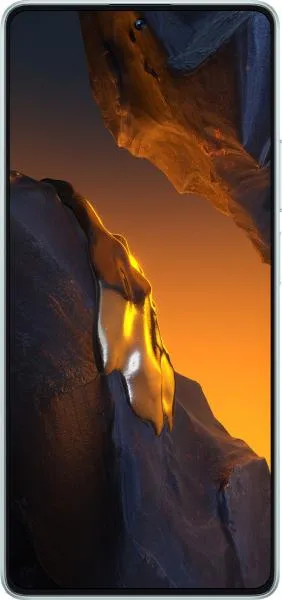

1. Specifications Comparison
| Feature | Xiaomi Poco F5 | Motorola Razr 40 | Practical Impact | |
|---|---|---|---|---|
| Design | ||||
| Dimensions (mm) | 161.1 x 75 x 7.9 | 170.8 x 74 x 7.4 | Razr 40 is taller and slightly thicker when unfolded, but significantly more compact when folded due to its foldable design. | |
| Weight (g) | 181 | 188.6 | Negligible weight difference in practical usage. | |
| Foldable | No | Yes | Razr 40 offers portability and a unique form factor. | |
| Display | ||||
| Size (inches) | 6.67 | 6.9 | Razr 40 has a slightly larger main display. | |
| Resolution (px) | 1080 x 2400 | 1080 x 2640 | Razr 40's taller display provides more vertical screen real estate. | |
| Type | AMOLED | Foldable LTPO AMOLED | Razr 40's foldable display allows for different usage modes and a secondary external display for quick interactions. | |
| Refresh Rate (Hz) | 120 | 144 | Razr 40's higher refresh rate results in smoother animations and scrolling, especially noticeable in gaming and fast-paced content. | |
| Peak Brightness (nits) | 1000 (peak) | 1400 (peak) | Razr 40's higher peak brightness improves outdoor visibility. | |
| Performance | ||||
| Chipset | Snapdragon 7+ Gen 2 | Snapdragon 7 Gen 1 | Poco F5 boasts a significantly more powerful and efficient chipset, leading to better performance in demanding tasks and games. | |
| CPU | Octa-core (up to 2.91 GHz) | Octa-core (up to 2.4 GHz) | Poco F5's CPU offers superior processing power. | |
| GPU | Adreno 725 | Adreno 644 | Poco F5's GPU provides a better gaming and graphics-intensive experience. | |
| RAM (GB) | 8/12 | 8 | Poco F5 offers a 12GB RAM option for enhanced multitasking. | |
| Camera | ||||
| Main Camera (MP) | 64 | 64 | Similar resolution, but image quality can vary due to sensor and processing differences (detailed sensor specs missing). | |
| Selfie Camera (MP) | 16 | 32 | Razr 40 has a higher resolution selfie camera. | |
| Video | 4K@30fps, 1080p@120fps | 4K@30fps, 1080p@60fps | Poco F5 offers higher frame rate slow-motion video recording. | |
| Battery | ||||
| Capacity (mAh) | 5000 | 4200 | Poco F5 has a larger battery capacity, potentially offering longer battery life. |
2. Key Differences Analysis
Xiaomi Poco F5 Advantages:
- Superior Performance: The Snapdragon 7+ Gen 2 significantly outperforms the Snapdragon 7 Gen 1.
- Larger Battery: The 5000mAh battery likely provides longer usage time.
- Higher Slow-Motion Frame Rate: Captures smoother slow-motion videos.
- Potentially Lower Price: Depending on the specific configuration.
Motorola Razr 40 Advantages:
- Foldable Design: Offers unique portability and usability.
- Higher Refresh Rate Display: Smoother visuals and animations.
- Higher Peak Brightness: Better outdoor visibility.
- Higher Resolution Selfie Camera: Better quality self-portraits.
Trade-offs:
- Razr 40: Foldable design might compromise durability and battery life compared to a traditional slab phone.
- Poco F5: Lacks the unique form factor and portability of a foldable phone.
3. User Profiles & Recommendations
Xiaomi Poco F5: Ideal for users prioritizing performance, battery life, and value. Suitable for:
- Gamers: Demanding games run smoothly.
- Power Users: Handles multitasking and demanding apps with ease.
- Budget-Conscious Consumers: Offers excellent performance for the price.
Motorola Razr 40: Ideal for users prioritizing portability, style, and a unique user experience. Suitable for:
- Trendsetters: The foldable design is a statement piece.
- Users valuing compactness: Fits easily in pockets and small bags.
- Social Media Enthusiasts: The high-quality selfie camera and foldable design facilitate content creation.
4. Decision Framework
Key Questions for Buyers:
- Is portability and form factor a top priority? If yes, the Razr 40's foldable design is a compelling choice.
- How important is raw performance and battery life? If crucial, the Poco F5 excels in these areas.
- What is your budget? While both are mid-range, prices can vary based on configuration and region.
My Choice: Xiaomi Poco F5
While the Razr 40's foldable design is intriguing, the Poco F5's superior performance, larger battery, and likely lower price make it a more compelling overall package for my needs. I prioritize a smooth and responsive user experience, long battery life, and value for money. The significant performance difference between the Snapdragon 7+ Gen 2 and Snapdragon 7 Gen 1 is a deciding factor, as it ensures the phone will handle demanding tasks and remain future-proof for longer. The larger battery capacity also aligns with my preference for extended usage without frequent recharging. While I appreciate the Razr 40's innovative design, the potential trade-offs in durability and battery life, combined with a likely higher price, make the Poco F5 a more practical and appealing choice for me.
