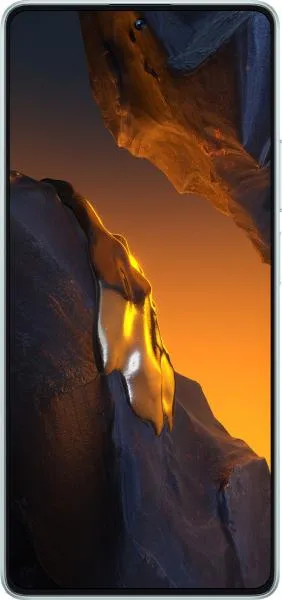

1. Specifications Comparison
| Feature | Xiaomi Poco F5 | Motorola Moto G85 | Practical Impact |
|---|---|---|---|
| Design | |||
| Dimensions (mm) | 161.1 x 75 x 7.9 | 161.9 x 73.1 x 7.6 | Poco F5 slightly shorter, narrower, but thicker. Moto G85 slightly lighter and thinner overall. Negligible difference in hand feel. |
| Weight (g) | 181 | 171 | |
| Fingerprint Sensor | Side-mounted | Under-display | Preference-based. Under-display feels more modern, side-mounted often faster and more reliable. |
| Display | |||
| Display Type | AMOLED | P-OLED | Both offer excellent contrast and deep blacks. P-OLED potentially more power efficient, especially with dark mode. |
| Size (inches) | 6.67 | 6.67 | Identical screen size. |
| Resolution (pixels) | 1080 x 2400 | 1080 x 2400 | Identical resolution, resulting in similar sharpness. |
| Refresh Rate (Hz) | 120 | 120 | Both offer smooth scrolling and animations. |
| Color Depth | 68B | 1B | Moto G85 boasts a wider color gamut, resulting in more vibrant and accurate colors. Noticeable difference for media consumption. |
| Peak Brightness (nits) | 1000 | 1600 | Moto G85 significantly brighter, crucial for outdoor visibility. |
| HDR Support | Dolby Vision, HDR10+ | None specified | Poco F5 supports wider HDR formats, offering better dynamic range in supported content. |
| Performance | |||
| Chipset | Snapdragon 7+ Gen 2 | Snapdragon 6s Gen 3 | Poco F5 has a significantly more powerful processor, resulting in smoother multitasking, faster app loading, and better gaming performance. |
| CPU | Octa-core (1x2.91 GHz X2 & 3x2.49 GHz A710 & 4x1.8 GHz A510) | Octa-core (2x2.3 GHz A78 & 6x2.0 GHz A55) | |
| GPU | Adreno 725 | Adreno 619 | Superior GPU in Poco F5 translates to noticeably better gaming and graphics-intensive tasks. |
| RAM (GB) | 8/12 | 12 | While Moto G85 has 12GB in the compared variant, Poco F5 also offers a 12GB option. More RAM generally benefits multitasking. |
| Camera | |||
| Main Camera (MP) | 64 | 50 | |
| Ultrawide (MP) | 8 | 8 | Similar ultrawide capabilities. |
| Selfie Camera (MP) | 16 | 32 | Moto G85 has a higher resolution selfie camera, potentially capturing more detail. |
| Video Recording | 4K@30fps with EIS | 1080p@60fps | Poco F5 can record higher resolution video but Moto G85's video score on DxOMark is significantly better (109 vs unspecified for the Poco F5), indicating superior video quality in real-world usage. |
| Battery | |||
| Capacity (mAh) | 5000 | 5000 | Identical battery capacity. Real-world battery life depends on usage and optimization. |
2. Key Differences Analysis
Xiaomi Poco F5 Advantages:
- Significantly better performance: The Snapdragon 7+ Gen 2 outclasses the Snapdragon 6s Gen 3 in CPU and GPU performance.
- Higher resolution video recording: Offers 4K recording compared to the Moto G85's 1080p.
- Wider HDR support: Dolby Vision and HDR10+ enhance video viewing experience.
Motorola Moto G85 Advantages:
- Brighter display: Much higher peak brightness ensures better outdoor visibility.
- Wider color gamut: 1B colors offer a more vibrant and accurate display.
- Higher resolution selfie camera: Potentially better for video calls and self-portraits.
- Better video quality: Despite lower resolution recording capability, the DxOMark score suggests superior video quality in practice.
3. User Profiles & Recommendations
Xiaomi Poco F5: Ideal for users prioritizing performance, gaming, and consuming HDR content. Suitable for demanding tasks and heavy multitasking.
Motorola Moto G85: Suitable for users who prioritize display quality, battery life, and a good selfie camera. Great for social media, casual gaming, and general use. Outdoor usage is enhanced by the brighter display.
4. Decision Framework
Key Questions for Buyers:
- What is your budget? Both phones are in the medium price range, but minor price differences might exist.
- What are your primary use cases? (Gaming, media consumption, photography, social media)
- Which features are most important to you? (Performance, display quality, camera quality, battery life)
My Choice: Xiaomi Poco F5
While the Motorola Moto G85 offers a stunning display and potentially better video quality for everyday use, the Xiaomi Poco F5's superior performance is the deciding factor for me. The Snapdragon 7+ Gen 2 provides a significant boost in speed and responsiveness, which is crucial for a smooth and enjoyable user experience in the long run. I prioritize performance and future-proofing my device, and the Poco F5 delivers that better. I am willing to compromise slightly on display brightness and color gamut for the significant performance advantage. The ability to record in 4K is also a plus, even if the Moto G85 might deliver better 1080p video in practice. Ultimately, the Poco F5 provides a more well-rounded package for my needs.
