1. Specifications Comparison
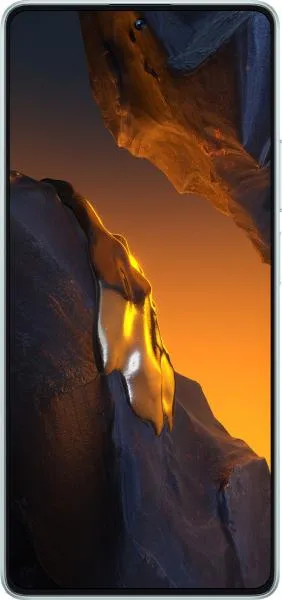
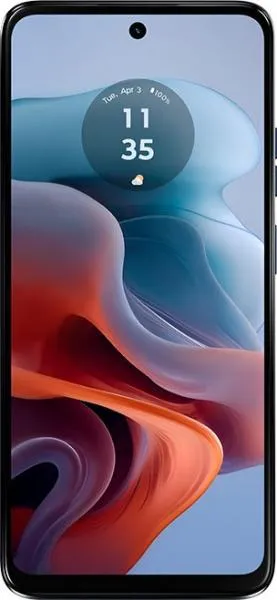
| Feature | Xiaomi Poco F5 | Motorola Moto G34 | Practical Impact |
|---|---|---|---|
| Design | |||
| Dimensions (mm) | 161.1 x 75 x 7.9 | 162.7 x 74.6 x 8 | Poco F5 is slightly smaller and thinner. Negligible difference in daily use. |
| Weight (g) | 181 | 179 | Virtually identical weight. |
| Build | Material specifications missing for both. Can't compare durability or premium feel. | ||
| Display | |||
| Display Type | AMOLED | IPS LCD | Poco F5 offers more vibrant colors, deeper blacks, and better power efficiency due to AMOLED technology. |
| Display Size (inches) | 6.67 | 6.5 | Poco F5 has a slightly larger screen. |
| Resolution | 1080 x 2400 | 720 x 1600 | Significantly sharper and more detailed visuals on the Poco F5 due to higher resolution. Impacts clarity of text, images, and videos. |
| Refresh Rate (Hz) | 120 | 120 | Both offer smooth scrolling and animations thanks to the 120Hz refresh rate. |
| HDR | HDR10+, Dolby Vision | Unspecified | Poco F5 supports HDR content, resulting in a wider dynamic range and more realistic visuals in compatible content. Moto G34's HDR capabilities are unclear. |
| Performance | |||
| Chipset | Snapdragon 7+ Gen 2 (4nm) | Snapdragon 695 5G (6nm) | Poco F5 boasts significantly better CPU and GPU performance due to a more powerful and efficient chipset. Impacts gaming, multitasking, and app loading speeds. |
| CPU | Octa-core (1x2.91 GHz X2 & 3x2.49 GHz A710 & 4x1.8 GHz A510) | Octa-core (2x2.2 GHz Kryo 660 Gold & 6x1.7 GHz Kryo 660 Silver) | Poco F5's superior CPU architecture and higher clock speeds translate to noticeably faster performance. |
| GPU | Adreno 725 | Adreno 619 | Poco F5's GPU is much more powerful, enabling smoother gaming and faster graphics rendering. |
| RAM | 8GB/12GB | 4GB/8GB | Poco F5 offers more RAM in its configurations, leading to better multitasking and app performance. |
| Camera | |||
| Main Camera (MP) | 64 | 50 | Poco F5 has a higher resolution main sensor. Doesn't guarantee better image quality but offers more detail. |
| Ultrawide (MP) | 8 | Unspecified, but "FOV 118° ultra-wide angle" suggests it has one | Both seemingly have an ultrawide lens, but the resolution for Moto G34 is unclear. |
| Video Recording | Up to 4K@30fps with EIS | Up to 1080p@30fps | Poco F5 offers higher resolution video recording and Electronic Image Stabilization (EIS) at higher resolutions. |
| Battery | |||
| Capacity (mAh) | 5000 | 5000 | Identical battery capacity. Real-world battery life depends on software optimization and usage patterns. |
2. Key Differences Analysis
Xiaomi Poco F5 Advantages:
- Superior Performance: Significantly faster processor and GPU, resulting in smoother gaming, multitasking, and overall responsiveness.
- Better Display: AMOLED technology provides more vibrant colors, deeper blacks, and better power efficiency compared to the Moto G34's IPS LCD. Higher resolution also delivers sharper visuals.
- More Versatile Camera: Higher resolution main camera and higher resolution video recording capabilities.
Motorola Moto G34 Advantages:
- Potentially Lower Price: Based on provided pricing data, the Moto G34 appears to be more affordable.
- More Color Options: Offers a wider variety of color choices.
3. User Profiles & Recommendations
Xiaomi Poco F5: Ideal for users who prioritize performance, a high-quality display, and a versatile camera. Suitable for demanding tasks like gaming, content creation, and media consumption.
Motorola Moto G34: Suitable for budget-conscious users who prioritize basic smartphone functionality and reliable battery life. Best for casual usage like web browsing, social media, and communication.
4. Decision Framework
Key Questions for Buyers:
- What is your budget? The Moto G34 is likely more affordable.
- What are your performance needs? The Poco F5 offers a significant performance advantage.
- How important is display quality? The Poco F5's AMOLED display is superior.
My Choice: Xiaomi Poco F5
While the Motorola Moto G34 might be more budget-friendly, the Xiaomi Poco F5 offers a significantly better overall package. Its superior processor, stunning AMOLED display, and more versatile camera make it a much more compelling device for the majority of users. The performance difference alone would significantly impact daily usage, making the Poco F5 a more future-proof investment. While I acknowledge the potential price difference, the enhanced user experience offered by the Poco F5 outweighs the cost savings for me.
