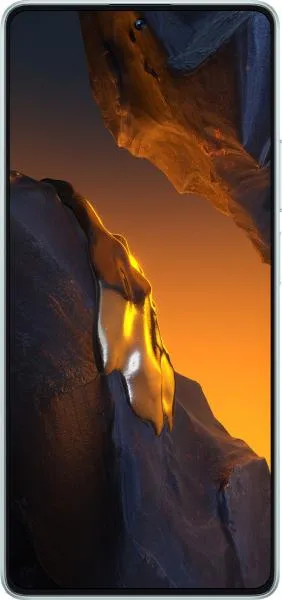
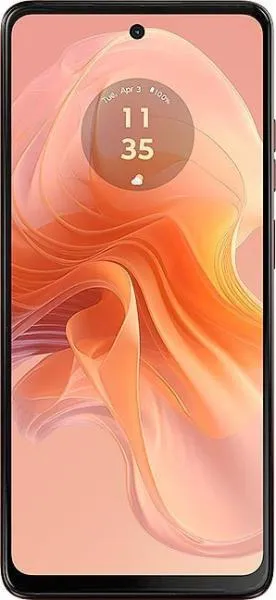
1. Specifications Comparison
| Feature | Xiaomi Poco F5 | Motorola Moto G04s | Practical Impact |
|---|---|---|---|
| Design | |||
| Dimensions (mm) | 161.1 x 75 x 7.9 | 163.5 x 74.5 x 8 | Poco F5 is slightly smaller and thinner. |
| Weight (g) | 181 | 178.8 | Negligible weight difference. |
| Build Materials | Missing | Missing | Cannot compare build quality and durability. |
| Display | |||
| Display Type | AMOLED | IPS LCD | Poco F5 offers more vibrant colors, deeper blacks, and better power efficiency. |
| Display Size (inches) | 6.67 | 6.56 | Negligible size difference. |
| Resolution | 1080 x 2400 | 720 x 1612 | Poco F5 has a significantly sharper display (395 ppi vs 269 ppi), resulting in clearer text and images. |
| Refresh Rate (Hz) | 120 | 90 | Poco F5 provides smoother scrolling and animations. |
| HDR Support | Dolby Vision, HDR10+ | None specified | Poco F5 offers a superior HDR experience for compatible content. |
| Performance | |||
| Chipset | Snapdragon 7+ Gen 2 | Unisoc T606 | Poco F5 boasts significantly better CPU and GPU performance, enabling smoother multitasking, faster app loading, and better gaming capabilities. |
| CPU | Octa-core (1x2.91 GHz X2 & 3x2.49 GHz A710 & 4x1.8 GHz A510) | Octa-core (2x1.6 GHz A75 & 6x1.6 GHz A55) | The Poco F5's more powerful CPU architecture and higher clock speeds translate to a noticeably faster and more responsive user experience. |
| RAM | 8GB/12GB | 4GB | More RAM in the Poco F5 allows for more apps to run in the background without performance slowdown. |
| Storage | 256GB | 64GB/128GB/256GB | Poco F5 base model offers more storage than Moto G04s base model. |
| Camera | |||
| Rear Camera | 64MP (Main) + 8MP (Ultrawide) + 2MP (Macro) | 50MP (Main) | Poco F5 offers an ultrawide lens for broader shots and a dedicated macro lens, although the macro lens's usefulness is questionable at 2MP. The higher resolution main sensor on the Poco F5 may not necessarily translate to better image quality in all situations. |
| Front Camera | 16MP | 5MP | Poco F5's higher resolution front camera should produce better selfies. |
| Video Recording | Up to 4K@30fps | Up to 1080p@30fps | Poco F5 offers higher resolution video recording. |
| Battery | |||
| Capacity (mAh) | 5000 | 5000 | Similar battery capacity, but real-world battery life will depend on software optimization and usage patterns. |
| Charging Speed | Not specified | Not specified | Unable to compare charging speeds. |
2. Key Differences Analysis
Xiaomi Poco F5 Advantages:
- Significantly superior performance: The Snapdragon 7+ Gen 2 chipset provides a substantial performance advantage over the Unisoc T606, making the Poco F5 much smoother and faster for demanding tasks and gaming.
- Better Display: AMOLED technology, higher resolution, and a faster refresh rate deliver a vastly improved visual experience.
- More versatile camera system: The inclusion of an ultrawide lens offers more creative shooting options.
Motorola Moto G04s Advantages:
- Potentially lower price: Depending on the specific configuration and retailer, the Moto G04s is likely to be cheaper.
- More color options: Offers a wider variety of color choices.
3. User Profiles & Recommendations
Xiaomi Poco F5: Ideal for users who prioritize performance, a high-quality display, and a versatile camera. Suitable for gaming, media consumption, and multitasking.
Motorola Moto G04s: Best suited for budget-conscious users who prioritize basic functionality and long battery life. Suitable for everyday tasks like calling, texting, browsing, and light social media use.
4. Decision Framework
Key Questions for Buyers:
- What is your budget? The Moto G04s is likely a more affordable option.
- What are your primary smartphone usage patterns? For demanding tasks, the Poco F5's superior performance is crucial. For basic usage, the Moto G04s may suffice.
- How important is display quality? The Poco F5's AMOLED display offers a much better visual experience.
My Choice: Xiaomi Poco F5
The Xiaomi Poco F5 is the clear winner for me. While potentially more expensive, the significantly superior performance, higher quality display, and more versatile camera system make it a much more compelling device. The Snapdragon 7+ Gen 2 is a powerful chipset that will provide a smooth and responsive user experience for years to come. The AMOLED display is a major advantage for media consumption and everyday use. While I acknowledge the potential price difference, the long-term value and superior user experience offered by the Poco F5 outweigh the cost savings of the Moto G04s for my needs. The Moto G04s seems like a decent budget phone, but it doesn't offer anything compelling beyond its price.
