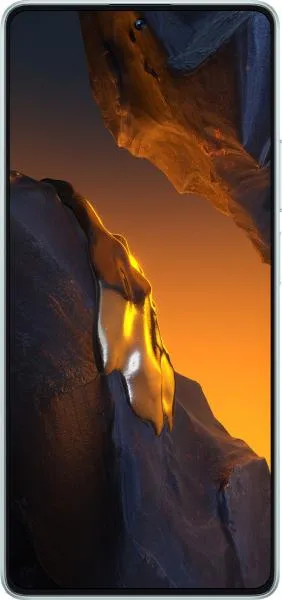

1. Specifications Comparison
| Feature | Xiaomi Poco F5 | Motorola Moto G (2023) | Practical Impact |
|---|---|---|---|
| Design | |||
| Dimensions (mm) | 161.1 x 75 x 7.9 | 164 x 75 x 8.4 | Poco F5 is slightly smaller and thinner. Moto G is slightly heavier. Negligible difference in everyday use. |
| Weight (g) | 181 | 189 | Negligible difference in hand feel. |
| Display | |||
| Display Type | AMOLED | IPS LCD | Poco F5 offers more vibrant colors, deeper blacks, and better power efficiency. Moto G may be more visible in direct sunlight. |
| Display Size (inches) | 6.67 | 6.5 | Poco F5 has a slightly larger screen. |
| Resolution | 1080 x 2400 | 720 x 1600 | Poco F5 has significantly sharper display (395 ppi vs 270 ppi), resulting in clearer text and images. |
| Refresh Rate (Hz) | 120 | 120 | Both offer smooth scrolling and animations. |
| HDR | HDR10+, Dolby Vision | None | Poco F5 supports HDR content for a wider dynamic range and richer colors in compatible media. |
| Performance | |||
| Chipset | Snapdragon 7+ Gen 2 (4 nm) | Snapdragon 480+ 5G (8 nm) | Poco F5 offers significantly faster CPU and GPU performance, enabling smoother multitasking, gaming, and demanding applications. |
| CPU | Octa-core (1x2.91 GHz + 3x2.49 GHz + 4x1.8 GHz) | Octa-core (2x2.2 GHz + 6x1.8 GHz) | Poco F5 has a more powerful CPU architecture and higher clock speeds. |
| RAM | 8GB/12GB | 4GB | Poco F5 offers more RAM, enabling better multitasking and preventing app closures in the background. 12GB option provides significant headroom for future-proofing. |
| Camera | |||
| Rear Camera | 64MP (Main) + 8MP (Ultrawide) + 2MP (Macro) | 48MP (Main) + 2MP (Macro) | Poco F5 offers a higher resolution main sensor and an ultrawide lens. Image quality comparisons would require real-world testing. |
| Video Recording | 4K@30fps, 1080p@120fps | 1080p@30fps | Poco F5 offers higher resolution and frame rate video recording capabilities. |
| Battery | |||
| Capacity (mAh) | 5000 | 5000 | Similar battery capacities suggest comparable battery life, but real-world usage may vary depending on other factors. |
2. Key Differences Analysis
Xiaomi Poco F5 Advantages:
- Significantly better performance: The Snapdragon 7+ Gen 2 outperforms the Snapdragon 480+ by a large margin.
- Superior Display: AMOLED with HDR support provides a richer viewing experience. Higher resolution leads to sharper visuals.
- More versatile camera system: Includes an ultrawide lens and higher resolution main sensor.
- More RAM: 8GB or 12GB ensures smoother multitasking.
Motorola Moto G (2023) Advantages:
- Lower price: Significantly more affordable.
3. User Profiles & Recommendations
Xiaomi Poco F5: Users who prioritize performance, a high-quality display, and a versatile camera. Suitable for demanding tasks like gaming, content creation, and media consumption.
Motorola Moto G (2023): Budget-conscious users who prioritize basic functionality and long battery life. Best for casual use like web browsing, social media, and light gaming.
4. Decision Framework
Key Questions:
- What is your budget? The Moto G is significantly cheaper.
- What are your primary use cases? Demanding tasks benefit from the Poco F5's power.
- How important is display and camera quality? The Poco F5 excels in these areas.
My Choice: Xiaomi Poco F5
While the Motorola Moto G (2023) offers excellent value for its price, the Xiaomi Poco F5 is the superior device overall. The significantly improved performance, higher resolution AMOLED display with HDR, and more versatile camera system justify the higher price for most users. The 8GB/12GB RAM options also provide better future-proofing. Unless budget is extremely tight, the Poco F5 offers a substantially better user experience in almost every aspect.
