1. Specifications Comparison
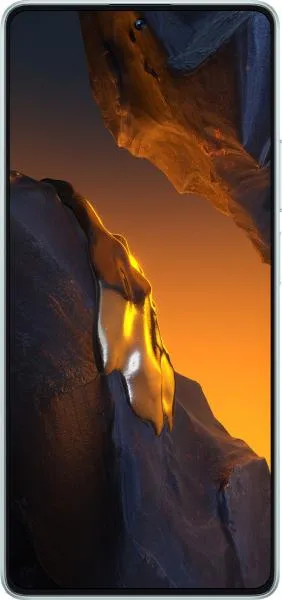
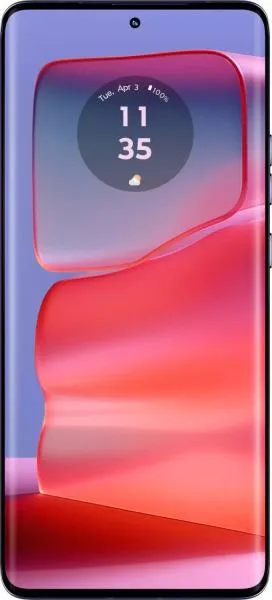
| Feature | Xiaomi Poco F5 | Motorola Edge 50 Pro | Practical Impact |
|---|---|---|---|
| Design | |||
| Dimensions (mm) | 161.1 x 75 x 7.9 | 161.2 x 72.4 x 8.2 | Virtually identical in size, though the Motorola is slightly thinner. Negligible difference in daily use. |
| Weight (g) | 181 | 186 | The Motorola is slightly heavier but the difference is minimal. |
| Build Material | Not specified | Not specified | Cannot compare build quality and durability without this information. |
| Display | |||
| Display Type | AMOLED | P-OLED | Both offer excellent color accuracy and deep blacks. P-OLED might offer slightly better power efficiency. Subjective preference will play a role here. |
| Display Size (inches) | 6.67 | 6.7 | Negligible size difference. |
| Resolution | 1080 x 2400 | 1220 x 2712 | The Motorola has a sharper display with higher pixel density, resulting in crisper text and images. |
| Refresh Rate (Hz) | 120 | 144 | The Motorola's higher refresh rate will provide smoother animations and scrolling, particularly noticeable in gaming and fast-paced content consumption. |
| Peak Brightness (nits) | 1000 | 2000 | Motorola's significantly higher peak brightness ensures better visibility in direct sunlight. |
| Performance | |||
| Chipset | Snapdragon 7+ Gen 2 | Snapdragon 7 Gen 3 | Both are mid-range chipsets. The newer generation in the Motorola likely offers performance and efficiency improvements, but real-world difference needs benchmarking. |
| CPU | Octa-core (1x2.91 GHz X2 & 3x2.49 GHz A710 & 4x1.8 GHz A510) | Octa-core (1x2.63 GHz A715 & 4x2.4 GHz A715 & 3x1.8 GHz A510) | Clock speeds suggest the Poco F5 might have a slight edge in single-core performance, but overall performance depends on various factors including optimization. Real-world usage and benchmark tests are needed for definitive comparison. |
| GPU | Adreno 725 | Adreno 720 | Poco F5 might offer slightly better graphics performance, but real-world gaming differences will be minimal. |
| RAM (GB) | 8/12 | 12 | Motorola offers more RAM in its base configuration, enabling better multitasking and app switching performance. |
| Camera | |||
| Main Camera (MP) | 64 | 50 | Megapixel count isn't everything. Sensor size, aperture, and processing play a larger role in image quality. Detailed camera reviews are needed for a proper comparison. |
| Ultrawide (MP) | 8 | 13 | Motorola offers a higher resolution ultrawide, potentially capturing more detail. |
| Telephoto | No | 10MP (3x Optical Zoom) | Motorola's dedicated telephoto lens offers optical zoom capabilities, missing in the Poco F5. |
| Battery | |||
| Capacity (mAh) | 5000 | 4500 | The Poco F5 has a larger battery capacity, potentially offering longer battery life. However, real-world usage depends on factors like display, chipset efficiency, and software optimization. |
| Charging Speed | Not specified | Not specified | Cannot compare charging speeds without this information. |
2. Key Differences Analysis
Xiaomi Poco F5 Advantages:
- Larger Battery: Potentially longer battery life.
- Potentially Faster GPU: Could offer a slight edge in gaming.
Motorola Edge 50 Pro Advantages:
- Sharper Display: Higher resolution and pixel density for crisper visuals.
- Smoother Display: Higher refresh rate for more fluid animations.
- Brighter Display: Much brighter for better outdoor visibility.
- More RAM: Better multitasking and future-proofing.
- Newer Android Version: Longer software support and latest features.
- Telephoto Lens: Optical zoom capabilities for better versatility.
- DisplayPort: Enables connection to external displays for productivity.
- Faster USB standard: USB 3.1 offers significantly faster data transfer speeds compared to USB 2.0 on the Poco F5.
3. User Profiles & Recommendations
Xiaomi Poco F5: Users prioritizing battery life and affordability, less demanding gamers.
Motorola Edge 50 Pro: Users prioritizing display quality, smoother performance, camera versatility, latest software, and connectivity options. Suitable for content consumption, gaming, and productivity.
4. Decision Framework
Key Questions:
- What is your budget? The Motorola is generally more expensive.
- What are your display priorities? The Motorola offers a superior display experience.
- How important are camera versatility and software updates? The Motorola provides a telephoto lens and longer software support.
Scenario-Based Recommendations:
- Tight budget, prioritize battery: Poco F5
- Value for money, all-around good phone: Poco F5 with 12GB RAM if priced competitively.
- Best display and camera, longer software updates: Motorola Edge 50 Pro
My Choice: Motorola Edge 50 Pro
While the Poco F5 offers a larger battery and potentially faster GPU, the Motorola Edge 50 Pro's advantages in display quality, performance (RAM, newer chipset), camera versatility (telephoto lens), software support, and connectivity (DisplayPort, faster USB) outweigh the benefits of the Poco F5 for me. The sharper, smoother, and brighter display is a significant upgrade, and the addition of a telephoto lens enhances the camera system's versatility. Longer software updates ensure the phone remains secure and up-to-date for a longer period. While I value battery life, the potential difference isn't significant enough to outweigh the Motorola's other strengths. Finally, the faster USB standard is crucial for quick data transfer. Therefore, the Motorola Edge 50 Pro offers a more compelling overall package, making it my preferred choice.
