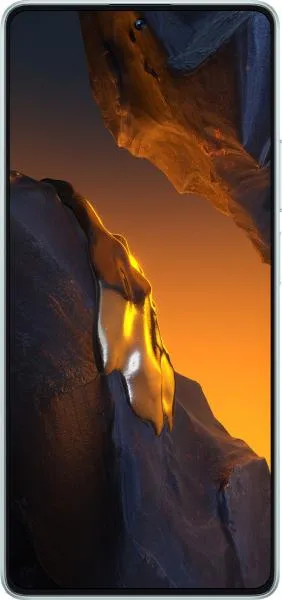
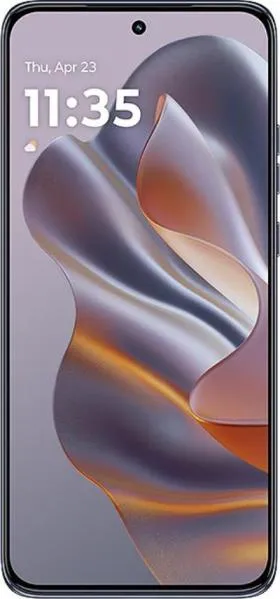
1. Specifications Comparison
| Feature | Xiaomi Poco F5 | Motorola Edge 50 Neo | Practical Impact |
|---|---|---|---|
| Design | |||
| Dimensions (mm) | 161.1 x 75 x 7.9 | 154.1 x 71.2 x 8.1 | Edge 50 Neo is slightly smaller and lighter, potentially improving one-handed usability. |
| Weight (g) | 181 | 171 | Noticeable difference in weight, Edge 50 Neo feels lighter in hand. |
| Display | |||
| Display Type | AMOLED | LTPO P-OLED | Both offer excellent contrast and vibrant colors. LTPO allows for dynamic refresh rate, saving battery. |
| Display Size (inches) | 6.67 | 6.4 | Poco F5 offers slightly larger screen real estate for media consumption. |
| Resolution | 1080 x 2400 | 1256 x 2760 | Edge 50 Neo boasts a sharper display due to higher pixel density, resulting in crisper text and images. |
| Refresh Rate (Hz) | 120 | 120 | Both offer smooth scrolling and animations. |
| Peak Brightness (nits) | 1000 (peak) | 3000 (peak) | Edge 50 Neo significantly brighter, enhancing outdoor visibility. |
| Performance | |||
| Chipset | Snapdragon 7+ Gen 2 | Dimensity 7300 | Both are mid-range chipsets, but benchmarks suggest Snapdragon 7+ Gen 2 offers a performance advantage. |
| CPU | Octa-core | Octa-core | Specific core configurations differ, impacting sustained performance and efficiency. Real-world differences may vary. |
| GPU | Adreno 725 | Mali-G615 MC2 | Adreno 725 generally considered more powerful, beneficial for gaming. |
| RAM (GB) | 8/12 | 8/12 | Both offer ample RAM for multitasking. |
| Camera | |||
| Main Camera (MP) | 64 | 50 | Poco F5 has higher resolution, but sensor size and other factors determine overall image quality. DxOMark score missing for Poco F5 makes comparison difficult. |
| Ultrawide (MP) | 8 | 13 | Edge 50 Neo offers higher resolution ultrawide. |
| Other Cameras | 2MP Macro | 10MP Telephoto, 13MP Wide+Macro | Edge 50 Neo offers a dedicated telephoto lens for optical zoom, a significant advantage. |
| Battery | |||
| Capacity (mAh) | 5000 | 4310 | Poco F5 has a larger battery, likely resulting in longer battery life. |
2. Key Differences Analysis
Xiaomi Poco F5 Advantages:
- Larger Battery: Significantly larger battery capacity (5000mAh vs 4310mAh), likely translating to longer usage time.
- Higher Resolution Main Camera: 64MP main camera offers potentially more detailed images, although real-world performance depends on various factors.
- Generally More Powerful Chipset: Snapdragon 7+ Gen 2 tends to outperform Dimensity 7300 in benchmarks, potentially offering smoother gaming and faster app loading.
- Slightly Larger Display: Offers slightly more screen real-estate, beneficial for media consumption.
Motorola Edge 50 Neo Advantages:
- Sharper Display: Higher resolution and pixel density result in a noticeably crisper display.
- Brighter Display: Significantly brighter display, crucial for outdoor visibility.
- Telephoto Lens: Dedicated telephoto lens enables optical zoom, a significant advantage for capturing distant subjects.
- LTPO Display: Dynamic refresh rate adjustment can significantly improve battery life.
- Newer Android Version: Ships with Android 14, ensuring longer software support and potentially benefiting from latest features.
3. User Profiles & Recommendations
Xiaomi Poco F5: Users prioritizing performance, battery life, and a large display. Ideal for:
- Mobile Gamers: Powerful chipset and large display enhance gaming experience.
- Heavy Users: Large battery ensures extended usage without frequent charging.
- Budget-Conscious Consumers: Offers strong performance at a competitive price.
Motorola Edge 50 Neo: Users valuing display quality, camera versatility, and newer software. Ideal for:
- Photography Enthusiasts: Telephoto lens and high-resolution ultrawide expand creative possibilities.
- Outdoor Users: Bright display ensures clear visibility in sunlight.
- Users Prioritizing Software Updates: Ships with Android 14, guaranteeing longer software support.
4. Decision Framework
Key Questions for Buyers:
- Is battery life a top priority? If yes, the Poco F5's larger battery is a significant advantage.
- How important is camera versatility? The Edge 50 Neo's telephoto lens offers a clear advantage for zoom photography.
- Do you prefer a larger display or a sharper, brighter one? The Poco F5 offers a slightly larger display, while the Edge 50 Neo boasts higher resolution and brightness.
My Choice: Motorola Edge 50 Neo
While the Poco F5 offers a compelling combination of performance and battery life, the Motorola Edge 50 Neo edges out for me due to its superior display quality, camera versatility (specifically the telephoto lens), and the newer Android version, ensuring longer software support. The brighter display is crucial for comfortable outdoor usage, and the telephoto lens adds significant value for capturing memories. While the slightly smaller battery is a trade-off, the LTPO display mitigates this by dynamically adjusting the refresh rate to conserve power. The sharper display of the Edge 50 Neo is a noticeable improvement for everyday tasks. Ultimately, the combination of these factors makes the Edge 50 Neo a more well-rounded device for my needs.
