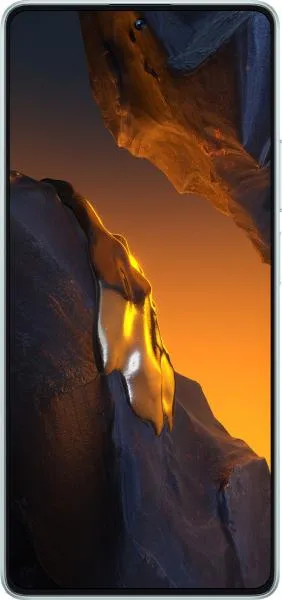
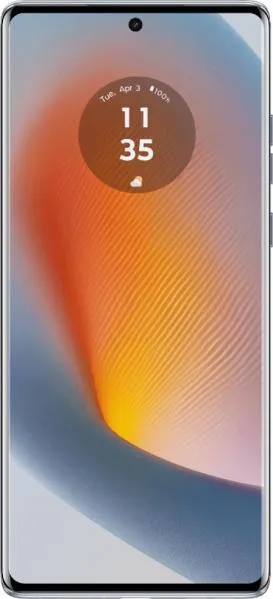
1. Specifications Comparison
| Feature | Xiaomi Poco F5 | Motorola Edge 50 Fusion | Practical Impact |
|---|---|---|---|
| Design | |||
| Dimensions (mm) | 161.1 x 75 x 7.9 | 161.9 x 73.1 x 7.9 | Poco F5 is slightly shorter and narrower. Negligible difference in daily use. |
| Weight (g) | 181 | 174.9 | Edge 50 Fusion is slightly lighter, but the difference is minimal. |
| Fingerprint Sensor | Side-mounted | Under-display | Personal preference. Under-display feels more modern, side-mounted can be faster. |
| Display | |||
| Display Type | AMOLED | pOLED | Both offer excellent color and contrast. AMOLED might have slightly deeper blacks. |
| Display Size (inches) | 6.67 | 6.7 | Virtually identical screen sizes. |
| Resolution (px) | 1080 x 2400 | 1080 x 2400 | Same resolution, resulting in similar sharpness. |
| Refresh Rate (Hz) | 120 | 120 (LATAM) / 144 (INT) | International version of Edge 50 Fusion has a higher refresh rate leading to smoother animations and scrolling. |
| Peak Brightness (nits) | 1000 | 1600 | Edge 50 Fusion offers significantly higher peak brightness, improving outdoor visibility. |
| Color Depth | 68B | 1B | Edge 50 Fusion supports a wider color gamut, resulting in more accurate and vibrant colors. |
| Performance | |||
| Chipset | Snapdragon 7+ Gen 2 | Snapdragon 7s Gen 2 | Poco F5 has a more powerful processor, leading to better performance in demanding tasks and gaming. |
| CPU | Octa-core (1x2.91 GHz X2 & 3x2.49 GHz A710 & 4x1.8 GHz A510) | Octa-core (4x2.4 GHz A78 & 4x1.95 GHz A55) | Poco F5's CPU architecture is superior, providing a significant performance advantage. |
| GPU | Adreno 725 | Adreno 710 | Poco F5's GPU is significantly better for gaming and graphically intensive applications. |
| RAM | 8GB/12GB | 8GB/12GB | Both offer ample RAM for multitasking, though specific configurations may vary. |
| Camera | |||
| Main Camera (MP) | 64 | 50 | Poco F5 has higher resolution but sensor size and other factors also impact image quality. Direct comparison is needed for definitive conclusion. |
| Ultrawide (MP) | 8 | 13 | Edge 50 Fusion has a higher resolution ultrawide lens. |
| Selfie Camera (MP) | 16 | 32 | Edge 50 Fusion boasts a much higher resolution selfie camera. |
| Battery | |||
| Capacity (mAh) | 5000 | 5000 | Identical battery capacities. Real-world battery life depends on usage and optimization. |
2. Key Differences Analysis
Xiaomi Poco F5 Advantages:
- Superior Performance: The Snapdragon 7+ Gen 2 offers a substantial performance advantage over the Snapdragon 7s Gen 2, making the Poco F5 better for gaming and demanding tasks.
- Potentially Better Value: Historically, Poco phones offer competitive pricing for their specifications.
Motorola Edge 50 Fusion Advantages:
- Brighter Display: The significantly brighter display ensures better visibility in sunlight.
- Wider Color Gamut: The 1B color display provides more vibrant and accurate colors.
- Higher Refresh Rate (International): The 144Hz refresh rate on the international model provides a smoother user experience.
- Higher Resolution Selfie Camera: Significantly better for video calls and self-portraits.
3. User Profiles & Recommendations
Xiaomi Poco F5: Ideal for users who prioritize performance and value, especially mobile gamers and power users.
Motorola Edge 50 Fusion: Suitable for users who value a bright, vibrant display and a good selfie camera. The international version with 144Hz is ideal for those sensitive to smooth scrolling and animations.
4. Decision Framework
Key Questions for Buyers:
- What is your budget? Compare prices for similar storage configurations.
- What are your primary use cases? (Gaming, photography, media consumption, general use)
- Which features matter most? (Performance, display quality, camera, battery life)
My Choice: Xiaomi Poco F5
While the Motorola Edge 50 Fusion boasts a brighter display and better selfie camera, the performance difference due to the superior chipset in the Poco F5 is the deciding factor for me. I prioritize smooth performance and responsiveness, especially for gaming and multitasking. The Poco F5's Snapdragon 7+ Gen 2 delivers a noticeable advantage in these areas. The slightly dimmer display and lower resolution selfie camera are acceptable trade-offs for the significant performance gains. Additionally, historically, Poco devices offer excellent value, making the F5 a compelling choice. However, if display quality and selfie camera performance are paramount, the Edge 50 Fusion (especially the international version) becomes a strong contender.
