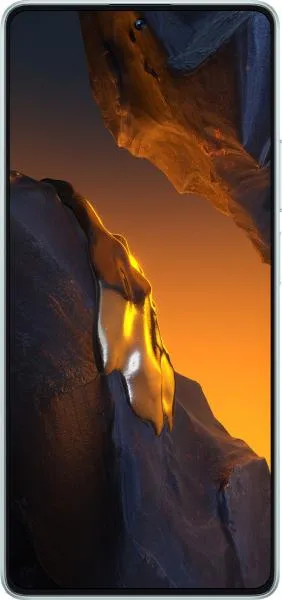
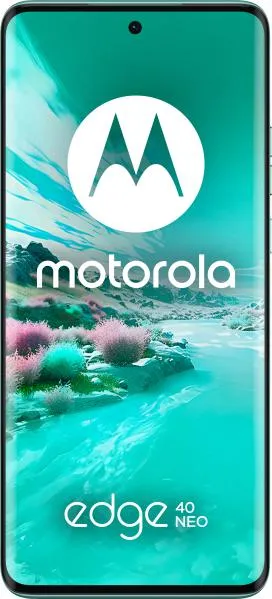
1. Specifications Comparison
| Feature | Xiaomi Poco F5 | Motorola Edge 40 Neo | Practical Impact |
|---|---|---|---|
| Design | |||
| Dimensions (mm) | 161.1 x 75 x 7.9 | 159.6 x 72 x 7.9 | Poco F5 slightly taller and wider, but both are slim. Negligible difference in hand feel. |
| Weight (g) | 181 | 170 | Edge 40 Neo noticeably lighter, reducing hand fatigue during extended use. |
| Build | Missing | Missing | Build materials impact durability and premium feel. This information is crucial for assessing overall quality. |
| Display | |||
| Size (inches) | 6.67 | 6.55 | Poco F5 offers slightly larger screen real estate for media consumption. |
| Resolution (px) | 1080 x 2400 | 1080 x 2400 | Identical resolution, resulting in similar sharpness on both devices. |
| Panel Type | AMOLED | P-OLED | Both offer vivid colors and deep blacks. P-OLED might be slightly more power efficient. |
| Refresh Rate (Hz) | 120 | 144 | Edge 40 Neo's higher refresh rate provides smoother scrolling and animations, especially noticeable in gaming and fast-paced UI interactions. |
| Peak Brightness (nits) | 1000 | 1300 | Edge 40 Neo significantly brighter, ensuring better visibility outdoors. |
| Performance | |||
| Chipset | Snapdragon 7+ Gen 2 | Dimensity 7030 | Snapdragon 7+ Gen 2 generally considered more powerful, offering better gaming and multitasking performance. |
| CPU | Octa-core (1x2.91 GHz X2 & 3x2.49 GHz A710 & 4x1.8 GHz A510) | Octa-core (2x2.5 GHz A78 & 6x2.0 GHz A55) | Snapdragon 7+ Gen 2's superior core configuration and clock speeds translate to faster processing. |
| GPU | Adreno 725 | Mali-G610 MC3 | Adreno 725 offers better graphics performance, advantageous for demanding games and graphical tasks. |
| RAM (GB) | 8/12 | 12 | Both offer ample RAM for smooth multitasking. The availability of 8GB RAM on the Poco F5 might be limiting for some power users. |
| Camera | |||
| Main Camera (MP) | 64 | 50 | Poco F5 boasts higher resolution, potentially capturing more detail. However, sensor size and other factors also contribute to image quality. |
| Ultrawide (MP) | 8 | 13 | Edge 40 Neo with a higher resolution ultrawide, potentially capturing wider scenes with more detail. |
| Selfie Camera (MP) | 16 | 32 | Edge 40 Neo offers a significantly higher resolution selfie camera for sharper self-portraits. |
| Video Recording | 4K@30fps | 4K@30fps | Similar video recording capabilities on paper. |
| Battery | |||
| Capacity (mAh) | 5000 | 5000 | Identical battery capacity, suggesting similar battery life. Real-world usage may vary. |
| Charging Speed | Missing | Missing | Charging speed significantly impacts daily usability. This missing information hinders a complete comparison. |
2. Key Differences Analysis
Xiaomi Poco F5 Advantages:
- Superior Processing Power: The Snapdragon 7+ Gen 2 offers a significant performance advantage for demanding tasks and gaming.
- Slightly Larger Display: Offers more screen real estate for media consumption.
Motorola Edge 40 Neo Advantages:
- Smoother Display: The 144Hz refresh rate provides a noticeably smoother user experience.
- Brighter Display: Better outdoor visibility.
- Higher Resolution Selfie Camera: Captures more detailed self-portraits.
- Lighter Design: More comfortable for extended use.
- More Modern OS support: Offers upgrades up to Android 15, potentially extending software support lifespan.
Trade-offs:
- Poco F5: Prioritizes performance over display smoothness and brightness.
- Edge 40 Neo: Prioritizes display quality and user experience over raw processing power.
3. User Profiles & Recommendations
Xiaomi Poco F5: Ideal for users who prioritize performance for gaming, demanding applications, and multitasking. Suitable for budget-conscious users seeking raw power.
Motorola Edge 40 Neo: Suitable for users who value a smooth and responsive display, excellent outdoor visibility, and a good selfie camera. A good choice for media consumption, social media, and everyday use.
4. Decision Framework
Key Questions for Buyers:
- What is your primary use case? (Gaming, media consumption, social media, productivity)
- How important is display quality and smoothness to you?
- Are you on a tight budget, prioritizing raw performance over other features?
Scenario-Based Recommendations:
- Gamer on a Budget: Poco F5
- Social Media Enthusiast: Edge 40 Neo
- User Prioritizing Overall Value: Edge 40 Neo (due to the superior display and lighter weight potentially offering a more enjoyable daily experience).
My Choice: Motorola Edge 40 Neo
While the Poco F5 boasts a more powerful processor, the Edge 40 Neo's 144Hz display, brighter screen, lighter weight, higher-resolution selfie camera, and longer software support make it a more compelling overall package for my needs. I prioritize daily usability and a fluid user experience over benchmark scores. The differences in processing power are unlikely to be noticeable in my typical usage scenarios (web browsing, social media, light gaming), whereas the display and design improvements would contribute to a more enjoyable experience every day. The longer software update support also ensures security and feature updates for a longer period.
