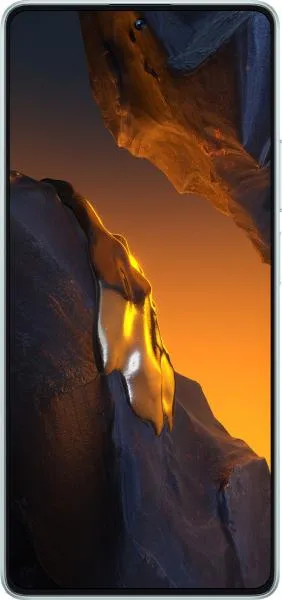
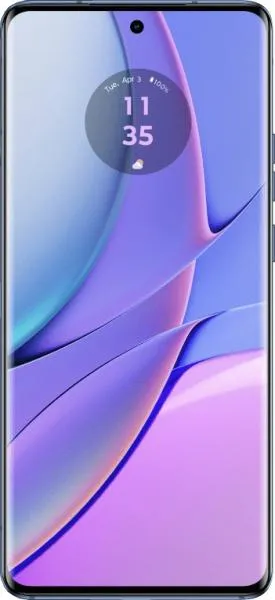
1. Specifications Comparison
| Feature | Xiaomi Poco F5 | Motorola Edge 40 | Practical Impact |
|---|---|---|---|
| Design | |||
| Dimensions (mm) | 161.1 x 75 x 7.9 | 158.4 x 72 x 7.6 | Edge 40 is slightly smaller and thinner, potentially more comfortable for one-handed use. |
| Weight (g) | 181 | 167 | Edge 40 is noticeably lighter, reducing hand fatigue during extended use. |
| Build | Material specifications missing for both, limiting comparison. | ||
| Display | |||
| Type | AMOLED | pOLED | Both offer vibrant colors and deep blacks. pOLED might be slightly more power efficient. Subjective preference plays a role here. |
| Size (inches) | 6.67 | 6.55 | Poco F5 has a slightly larger screen, providing a more immersive experience for media consumption. |
| Resolution | 1080 x 2400 | 1080 x 2400 | Identical resolution, resulting in similar sharpness on both devices. |
| Refresh Rate (Hz) | 120 | 144 | Edge 40's higher refresh rate results in smoother animations and scrolling, especially noticeable in gaming and fast-paced UI interactions. |
| Peak Brightness (nits) | 1000 | 1200 | Edge 40's higher peak brightness ensures better visibility in direct sunlight. |
| Performance | |||
| Chipset | Snapdragon 7+ Gen 2 | Dimensity 8020 | Benchmark scores missing, making a definitive performance comparison difficult. Both are upper mid-range chipsets capable of handling demanding tasks. Snapdragon 7+ Gen 2 generally considered more powerful based on available data. |
| CPU | Octa-core (1x2.91 GHz X2 & 3x2.49 GHz A710 & 4x1.8 GHz A510) | Octa-core (4x2.6 GHz A78 & 4x2.0 GHz A55) | Poco F5's CPU architecture suggests a potential advantage in peak performance and efficiency due to the newer Cortex cores. |
| GPU | Adreno 725 | Mali-G77 MC9 | Gaming performance comparison requires further benchmarks. Adreno GPUs generally have a stronger reputation for gaming. |
| RAM | 8GB | 8GB | Identical RAM capacity should provide similar multitasking capabilities. |
| Camera | |||
| Main Camera (MP) | 64 | 50 | Poco F5 has a higher resolution main sensor. Image quality depends on various factors beyond resolution, including sensor size, aperture, and processing. |
| Ultrawide (MP) | 8 | 13 | Edge 40 has a higher resolution ultrawide lens, potentially capturing more detail in wider shots. |
| Macro (MP) | 2 | Combined with ultrawide | Dedicated macro lens on Poco F5 might offer slightly better close-up shots, though the quality of 2MP sensors is generally limited. Edge 40 uses a combined wide and macro lens, potentially compromising quality. |
| Selfie (MP) | 16 | 32 | Edge 40 has a significantly higher resolution selfie camera, likely producing more detailed self-portraits. |
| Battery | |||
| Capacity (mAh) | 5000 | 4400 | Poco F5 has a larger battery capacity, potentially offering longer battery life. Actual usage varies depending on usage patterns. |
2. Key Differences Analysis
Xiaomi Poco F5 Advantages:
- Potentially Superior Performance: The Snapdragon 7+ Gen 2 generally benchmarks higher than the Dimensity 8020.
- Larger Battery: The 5000mAh battery likely provides longer usage time.
- Dedicated Macro Lens: While only 2MP, it offers dedicated functionality for close-up shots.
Motorola Edge 40 Advantages:
- Smoother Display: The 144Hz refresh rate provides a noticeably more fluid user experience.
- Brighter Display: Better visibility outdoors.
- Lighter and More Compact: Easier to handle and carry.
- Higher Resolution Selfie Camera: Better for video calls and self-portraits.
3. User Profiles & Recommendations
Xiaomi Poco F5: Ideal for users prioritizing performance, battery life, and value. Suitable for demanding tasks, gaming, and extended use without frequent charging.
Motorola Edge 40: Best for users who value a smooth and responsive display, a lightweight and compact design, and a high-quality selfie camera. Suitable for social media enthusiasts, casual gamers, and those who prioritize portability.
4. Decision Framework
Key Questions for Buyers:
- Is peak performance or display smoothness more important?
- How important is battery life?
- Do you prefer a larger screen or a more compact phone?
Scenario-Based Recommendations:
- Heavy gamer: Poco F5 (potential performance advantage)
- Social media enthusiast: Edge 40 (higher refresh rate, better selfie camera)
- Business professional: Edge 40 (compactness, sleek design)
- Budget-conscious user: Poco F5 (larger battery, potentially lower price)
My Choice: Motorola Edge 40
While the Poco F5 boasts a potentially more powerful processor and larger battery, the Motorola Edge 40's 144Hz display, lighter weight, and sleeker design are more appealing to me. I prioritize a smooth and responsive user experience and find the higher refresh rate significantly enhances daily usage. The brighter display is also a plus for outdoor visibility. While battery life is important, I'm willing to compromise slightly for the overall improved user experience and portability offered by the Edge 40. The superior selfie camera is a bonus for video calls. Ultimately, the Edge 40 better suits my personal preferences and usage patterns.
