1. Specifications Comparison
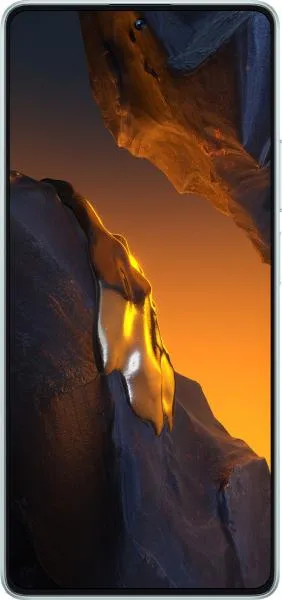
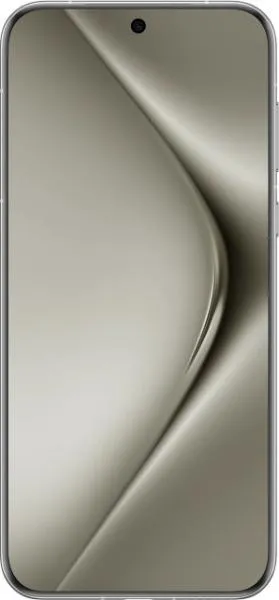
| Feature | Xiaomi Poco F5 | Huawei Pura 70 Pro | Practical Impact |
|---|---|---|---|
| Design | |||
| Dimensions (mm) | 161.1 x 75 x 7.9 | 162.6 x 75.1 x 8.4 | Poco F5 is slightly smaller and thinner. |
| Weight (g) | 181 | 220 | Poco F5 is significantly lighter, more comfortable for extended use. |
| Build | Material information missing for both, impacting durability and premium feel perception. | ||
| Display | |||
| Size (inches) | 6.67 | 6.8 | Pura 70 Pro offers a slightly larger screen for more immersive content consumption. |
| Resolution | 1080 x 2400 | 1260 x 2844 | Pura 70 Pro has a sharper display (higher pixel density) resulting in crisper text and images. |
| Type | AMOLED | LTPO OLED | Both offer excellent contrast and vibrant colors. LTPO on Pura 70 Pro allows for dynamic refresh rate adjustment, potentially saving battery. |
| Refresh Rate (Hz) | 120 | 120 | Both offer smooth scrolling and animations. |
| Peak Brightness (nits) | 1000 | 2500 | Pura 70 Pro is significantly brighter, improving outdoor visibility. |
| Performance | |||
| Chipset | Snapdragon 7+ Gen 2 | Kirin 9010 | Snapdragon 7+ Gen 2 is newer, likely offering better performance and efficiency although benchmark comparisons are needed for definitive conclusion. |
| CPU | Octa-core (1x2.91 GHz X2 & 3x2.49 GHz A710 & 4x1.8 GHz A510) | Octa-core (1x2.3 GHz Taishan Big & 3x2.18 GHz Taishan Mid & 4x1.55 GHz A510) | Detailed CPU performance comparison requires benchmarks. Clock speeds suggest potential advantage for Poco F5 in demanding tasks. |
| GPU | Adreno 725 | Maleoon 910 | GPU performance comparison requires benchmarks. Gaming and graphics intensive tasks experience will differ. |
| RAM (GB) | 8/12 | 12 | Pura 70 Pro offers more RAM in its base configuration, enabling better multitasking. |
| Storage (GB) | 256 | 256/512/1000 | Pura 70 Pro offers greater storage options for users with large media libraries. |
| Camera | |||
| Main Camera (MP) | 64 | 50 | Megapixel count isn't everything; sensor size and other factors matter. Image quality comparison requires real-world samples. |
| Other Cameras | 8MP Wide, 2MP Macro | 12.5MP Wide, 48MP Telephoto | Pura 70 Pro offers a telephoto lens for optical zoom, a significant advantage for versatility. |
| Video | Up to 4K@30fps | Up to 4K (resolution and frame rate unspecified) | Missing video capabilities for Pura 70 Pro prevent detailed comparison. |
| Battery | |||
| Capacity (mAh) | 5000 | 5050 | Negligible difference in battery capacity. Real-world battery life depends on software optimization and usage patterns. |
| Charging | Unspecified | Unspecified | Charging speed comparison not possible due to missing information. |
2. Key Differences Analysis
Xiaomi Poco F5 Advantages:
- Lighter and More Compact: Easier to handle and carry.
- Potentially Faster CPU: Cortex-X2 core in the Snapdragon chip suggests a performance advantage in demanding applications.
- More Affordable: Typically priced lower than the Pura 70 Pro.
Huawei Pura 70 Pro Advantages:
- Sharper and Brighter Display: More immersive media consumption and better outdoor visibility.
- Larger Storage Options: Caters to users with extensive media libraries.
- Telephoto Lens: Adds optical zoom capability for more versatile photography.
- LTPO Display: Potentially better battery life due to dynamic refresh rate.
- Higher Base RAM: Smoother multitasking.
3. User Profiles & Recommendations
Xiaomi Poco F5: Ideal for budget-conscious users who prioritize performance, a lightweight design, and value for money. Suitable for everyday tasks, gaming, and content consumption.
Huawei Pura 70 Pro: Best suited for users who prioritize a premium display, ample storage, versatile camera capabilities (especially zoom), and potentially longer battery life. Excellent for photography enthusiasts, power users, and those who consume lots of media.
4. Decision Framework
Key Questions for Buyers:
- What is your budget? The Poco F5 offers better value in the mid-range segment.
- What are your photography needs? The Pura 70 Pro's telephoto lens is a significant differentiator.
- How important is display quality and battery life? The Pura 70 Pro excels in both areas.
My Choice: Huawei Pura 70 Pro
While the Poco F5 offers excellent value, the Huawei Pura 70 Pro's superior display, telephoto lens, larger storage options, and potential for better battery life due to the LTPO panel make it the more compelling device for me. I prioritize a high-quality visual experience and camera versatility, and I am willing to pay a premium for those features. The larger storage is also a plus, as I tend to store a lot of photos and videos. While heavier, the benefits outweigh the added weight in my usage scenario. The lack of specific details on the Kirin processor and camera performance makes it a slightly riskier choice, but based on available information, the Pura 70 Pro aligns better with my personal preferences and needs.
