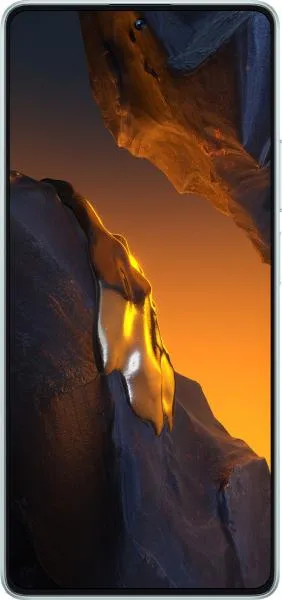

1. Specifications Comparison
| Feature | Xiaomi Poco F5 | Huawei Pura 70 | Practical Impact |
|---|---|---|---|
| Design | |||
| Dimensions (mm) | 161.1 x 75 x 7.9 | 157.6 x 74.3 x 8 | Poco F5 is slightly taller and narrower. Negligible difference in daily use. |
| Weight (g) | 181 | 207 | Poco F5 is noticeably lighter, more comfortable for extended use. |
| Fingerprint Sensor | Side-mounted | Under-display | Preference-based. Under-display feels more modern, side-mounted can be faster. |
| Display | |||
| Display Size (inches) | 6.67 | 6.6 | Negligible size difference. |
| Resolution | 1080 x 2400 | 1256 x 2760 | Pura 70 has a sharper display due to higher resolution and pixel density. |
| Panel Type | AMOLED | LTPO OLED | Both offer excellent contrast and colors. LTPO on Pura 70 allows for dynamic refresh rate adjustment, saving battery. |
| Refresh Rate (Hz) | 120 | 120 | Both offer smooth scrolling and animations. |
| Peak Brightness (nits) | 1000 | 2500 | Pura 70 is significantly brighter, crucial for outdoor visibility. |
| Color Depth | 68B | 1B | Pura 70 boasts superior color accuracy and a wider color gamut. Discernible for professional content creators. |
| Performance | |||
| Chipset | Snapdragon 7+ Gen 2 | Kirin 9000S1 | Difficult to compare directly due to different architectures. Both are high-performance chips, but benchmarks would be needed for accurate comparison. |
| CPU | Octa-core (details provided) | Octa-core (details missing) | Detailed comparison not possible without Pura 70's CPU core configuration. |
| GPU | Adreno 725 | Maleoon 910 | Performance comparison requires benchmarks. Both are capable GPUs for gaming. |
| RAM (GB) | 8/12 | 12 | Pura 70 offers more RAM in this comparison, beneficial for multitasking and demanding applications. |
| Camera | |||
| Main Camera (MP) | 64 | 50 | Megapixel count isn't everything. Image quality depends on sensor size, aperture, and processing. |
| Ultrawide (MP) | 8 | 13 | Pura 70 has a higher resolution ultrawide lens. |
| Telephoto | No | 12MP with 3.5x Optical Zoom | Pura 70 offers optical zoom for better image quality at longer distances. |
| Video Capabilities | Detailed specs available | Missing | Poco F5 lists extensive video features including EIS and various resolutions/frame rates. Cannot compare without Pura 70 details. |
| Battery | |||
| Capacity (mAh) | 5000 | 4900 | Negligible difference in battery capacity. Real-world battery life depends on optimization and usage. |
| Other | |||
| OS | Android 13 | Missing | Significant information missing. OS impacts user experience heavily. |
| USB | USB Type-C 2.0 | USB Type-C 3.1 with DisplayPort | Pura 70 offers faster data transfer and video output capabilities via USB-C. |
| Price Range | Medium | Medium | Actual prices needed for accurate comparison. |
2. Key Differences Analysis
Xiaomi Poco F5 Advantages:
- Lighter Weight: More comfortable for one-handed use and extended periods.
- Detailed Video Specs: Offers various resolutions and frame rates with EIS.
- Potentially Lower Price: Depending on specific configuration and market.
Huawei Pura 70 Advantages:
- Sharper Display: Higher resolution and pixel density.
- Brighter Display: Significantly better outdoor visibility.
- Superior Color Accuracy: 1B colors offer wider color gamut.
- LTPO Display: Dynamic refresh rate for improved battery efficiency.
- More RAM: Better multitasking and performance with demanding apps.
- Optical Zoom: Improved image quality at a distance.
- Faster USB: Quicker data transfer and video output.
Trade-offs:
- Poco F5: Lower resolution display, less RAM, no optical zoom, slower USB.
- Pura 70: Heavier, Missing key details on OS and video capabilities, potentially higher price.
3. User Profiles & Recommendations
Xiaomi Poco F5: Users seeking a lightweight, affordable phone with good performance and a focus on video recording. Suitable for everyday tasks, social media, and casual gaming.
Huawei Pura 70: Users prioritizing display quality, performance, and camera versatility. Ideal for content creators, photographers, and power users who demand top-tier specs.
4. Decision Framework
Key Questions for Buyers:
- What is your budget? Actual prices are crucial for determining value.
- What are your primary use cases? (e.g., photography, gaming, content consumption)
- Which features are most important to you? (e.g., display quality, battery life, camera zoom)
My Choice:
Based on the available information, I would lean towards the Huawei Pura 70. The superior display, optical zoom, faster USB, and extra RAM are compelling advantages. While the missing OS and video details are concerning, the confirmed specifications point to a more powerful and feature-rich device. However, the final decision hinges on the price difference and a clearer understanding of the Pura 70's OS and video capabilities. If the price gap is significant and those missing details are unfavorable, the Poco F5 could be a more value-oriented option. A comprehensive camera comparison would also be crucial.
