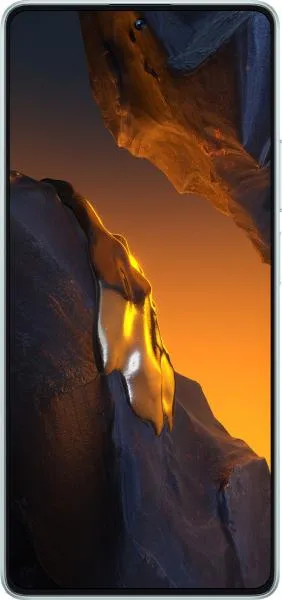
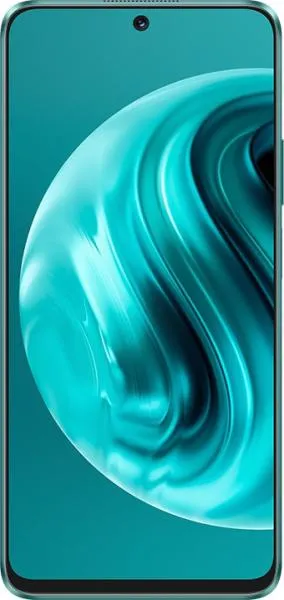
1. Specifications Comparison
| Feature | Xiaomi Poco F5 | Huawei nova 12i | Practical Impact |
|---|---|---|---|
| Design | |||
| Dimensions (mm) | 161.1 x 75 x 7.9 | 163.3 x 74.7 x 8.4 | Poco F5 is slightly smaller and thinner. |
| Weight (g) | 181 | 199 | Poco F5 is noticeably lighter, improving one-handed use. |
| Display | |||
| Display Type | AMOLED | IPS LCD | Poco F5 offers deeper blacks, more vibrant colors, and better power efficiency. |
| Display Size (inches) | 6.67 | 6.7 | Negligible size difference. |
| Resolution | 1080 x 2400 | 1080 x 2388 | Virtually identical resolution. |
| Refresh Rate (Hz) | 120 | 90 | Poco F5 provides smoother scrolling and animations. |
| HDR | Dolby Vision, HDR10+ | None specified | Poco F5 offers significantly better HDR video playback quality. |
| Performance | |||
| Chipset | Snapdragon 7+ Gen 2 | Snapdragon 680 4G | Poco F5 boasts significantly faster CPU and GPU performance, enabling smoother multitasking and gaming. |
| CPU | Octa-core (1x2.91 GHz X2 & 3x2.49 GHz A710 & 4x1.8 GHz A510) | Octa-core (4x2.4 GHz A73 & 4x1.9 GHz A53) | The Poco F5's more modern CPU architecture provides a substantial performance advantage. |
| GPU | Adreno 725 | Adreno 610 | Poco F5 offers much better graphics performance for demanding games and applications. |
| RAM (GB) | 8/12 | 8 | More RAM options on the Poco F5 can benefit heavy multitaskers. |
| Camera | |||
| Main Camera (MP) | 64 | 108 | While the Nova 12i has a higher resolution sensor, image quality depends on factors beyond megapixel count. Sensor size and processing are crucial, and this information is incomplete for comparison. |
| Video Recording | 4K@30fps with EIS | 1080p@30fps | Poco F5 offers higher resolution video recording and Electronic Image Stabilization (EIS) for smoother footage. |
| Battery | |||
| Capacity (mAh) | 5000 | 5000 | Identical battery capacity. Real-world battery life will depend on usage and optimization. |
2. Key Differences Analysis
Xiaomi Poco F5 Advantages:
- Superior Performance: The Snapdragon 7+ Gen 2 significantly outperforms the Snapdragon 680 in CPU and GPU tasks.
- Better Display: AMOLED with 120Hz refresh rate and HDR support provides a superior visual experience.
- Higher Quality Video Recording: 4K resolution and EIS.
Huawei nova 12i Advantages:
- Potentially Lower Price: Depending on the specific configuration and market.
- Higher Resolution Main Camera Sensor: 108MP vs 64MP, though practical image quality differences are unclear due to missing sensor details.
3. User Profiles & Recommendations
Xiaomi Poco F5: Users who prioritize performance, a smooth and vibrant display, and high-quality video recording. Ideal for mobile gaming, content consumption, and demanding tasks.
Huawei nova 12i: Budget-conscious users who prioritize basic smartphone functionality. Suitable for everyday tasks like calling, texting, and social media browsing. Might be a good option for less demanding users looking for a large screen.
4. Decision Framework
Key Questions for Buyers:
- What is your budget? The Poco F5 is likely more expensive.
- What are your performance needs? Gaming, multitasking, and demanding apps will benefit from the Poco F5's superior hardware.
- How important is display quality? The AMOLED display on the Poco F5 is a significant advantage.
My Choice: Xiaomi Poco F5
The Xiaomi Poco F5 is the clear winner for me. The superior processor, significantly better display, and higher quality video recording capabilities outweigh the potential price difference and the Nova 12i's higher megapixel count on the main camera (which lacks crucial details for accurate comparison). The Poco F5 offers a much more future-proof and enjoyable user experience for a wider range of tasks. While the Nova 12i might be acceptable for basic usage, the Poco F5 provides a noticeable upgrade in key areas that significantly impact daily use.
