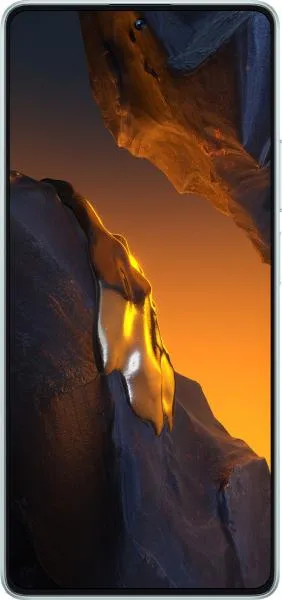

1. Specifications Comparison
| Feature | Xiaomi Poco F5 | HTC U23 Pro | Practical Impact |
|---|---|---|---|
| Design | |||
| Dimensions (mm) | 161.1 x 75 x 7.9 | 166.6 x 77.1 x 8.9 | Poco F5 is noticeably smaller and thinner, making it more pocketable and easier to handle. |
| Weight (g) | 181 | 205 | Poco F5 is significantly lighter, reducing hand fatigue during extended use. |
| Display | |||
| Display Type | AMOLED | OLED | Both offer excellent contrast and vibrant colors. While technically different, the visual difference between AMOLED and OLED is often negligible for average users. |
| Display Size (inches) | 6.67 | 6.7 | Virtually identical screen real estate. |
| Resolution | 1080 x 2400 | 1080 x 2400 | Same resolution, resulting in similar sharpness on both devices. |
| Refresh Rate (Hz) | 120 | 120 | Both offer smooth scrolling and animations, enhancing the overall user experience. |
| HDR Support | Dolby Vision, HDR10+ | Unspecified | Poco F5's support for Dolby Vision and HDR10+ ensures a wider range of HDR content compatibility and potentially better image quality when viewing supported content. |
| Performance | |||
| Chipset | Snapdragon 7+ Gen 2 | Snapdragon 7 Gen 1 | The 7+ Gen 2 in the Poco F5 provides a significant performance advantage, resulting in faster app loading, smoother multitasking, and better gaming performance. |
| CPU | Octa-core (1x2.91 GHz X2 & 3x2.49 GHz A710 & 4x1.8 GHz A510) | Octa-core (1x2.4 GHz A710 & 3x2.36 GHz A710 & 4x1.8 GHz A510) | The Poco F5 boasts a higher clock speed on its prime core, translating to faster processing for demanding tasks. |
| GPU | Adreno 725 | Adreno 644 | The Adreno 725 in the Poco F5 delivers superior graphics performance, beneficial for gaming and graphically intensive applications. |
| RAM | 8/12GB | 8/12GB | Both offer ample RAM for smooth multitasking, but the availability of a 12GB option on both provides headroom for future-proofing. |
| Camera | |||
| Main Camera (MP) | 64 | 108 | While the HTC U23 Pro boasts higher resolution, megapixels alone don't guarantee better image quality. Sensor size, aperture, and processing play a crucial role. Sensor specifics are missing for the U23 Pro, making a detailed comparison challenging. |
| Video Recording | 4K@30fps, 1080p@120fps | 4K@30fps, 1080p@30fps | Poco F5 offers more versatile video recording options, including higher frame rates for smoother slow-motion footage. |
| Battery | |||
| Capacity (mAh) | 5000 | 4600 | The Poco F5's larger battery capacity likely translates to longer battery life. |
| USB Type | USB Type-C 2.0 | USB Type-C 3.0 | U23 Pro has faster data transfer speeds with USB 3.0, but 2.0 is sufficient for charging and most data transfers for average users. |
2. Key Differences Analysis
Xiaomi Poco F5 Advantages:
- Superior Performance: The Snapdragon 7+ Gen 2 significantly outperforms the Snapdragon 7 Gen 1.
- Longer Battery Life: Larger 5000mAh battery.
- More Affordable: Generally priced lower than the HTC U23 Pro.
- More Video Recording Options: Higher frame rate options for slow-motion.
HTC U23 Pro Advantages:
- Potentially Better Main Camera: Higher resolution main camera sensor (although sensor details are lacking, making a definitive statement impossible).
- Faster Data Transfer: USB 3.0 offers faster data transfer speeds.
Trade-offs:
- Performance vs. Price: Poco F5 prioritizes performance at a lower price point.
- Camera Resolution vs. Versatility: U23 Pro boasts a higher resolution main camera but lacks detailed sensor information and slower video recording capabilities.
3. User Profiles & Recommendations
Xiaomi Poco F5: Ideal for users who prioritize performance, battery life, and value for their money. Excellent for gaming, multitasking, and content consumption.
HTC U23 Pro: Potentially suitable for users who prioritize camera resolution and faster data transfer speeds. However, the lack of key sensor details makes a strong recommendation difficult. Might be appealing to HTC enthusiasts.
4. Decision Framework
Key Questions for Buyers:
- What is your budget? The Poco F5 offers better value for its price.
- What are your performance requirements? Gamers and power users will appreciate the Poco F5's superior processing power.
- How important is camera quality? While megapixel count is higher on the U23 Pro, missing sensor details make it impossible to definitively determine image quality. Consider your specific photography needs.
My Choice: Xiaomi Poco F5
Reasoning: The Poco F5 offers a compelling combination of performance, battery life, and affordability. The Snapdragon 7+ Gen 2 delivers a significant performance advantage over the HTC U23 Pro's Snapdragon 7 Gen 1, which will be noticeable in everyday use and demanding tasks like gaming. The larger battery capacity ensures longer usage time. While the U23 Pro boasts a higher resolution main camera, the lack of detailed sensor information makes it difficult to assess its true capabilities. The Poco F5's more versatile video recording options and confirmed HDR support further strengthen its position. Finally, the Poco F5 generally comes at a lower price, making it the more value-conscious choice. The U23 Pro's USB 3.0 advantage is negligible for most users, who will prioritize performance and battery life.
