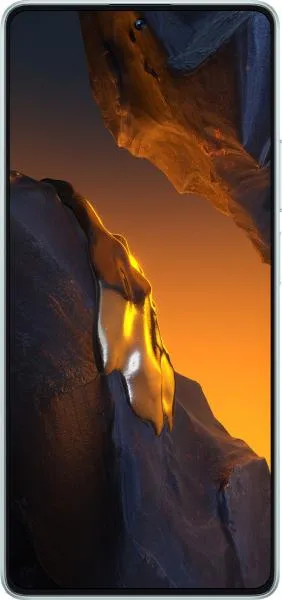
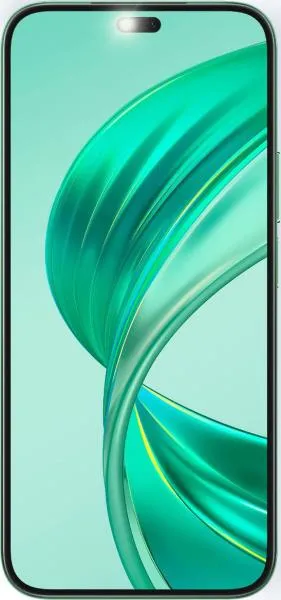
1. Specifications Comparison
| Feature | Xiaomi Poco F5 | Honor X8b | Practical Impact |
|---|---|---|---|
| Design | |||
| Dimensions (mm) | 161.1 x 75 x 7.9 | 161.1 x 74.6 x 6.8 | X8b is slightly thinner and lighter. Negligible difference in daily use. |
| Weight (g) | 181 | 166 | X8b is noticeably lighter, reducing hand fatigue during extended use. |
| NFC | Yes | No | Poco F5 allows for contactless payments and data transfer, X8b does not. |
| Display | |||
| Display Type | AMOLED | AMOLED | Both offer vibrant colors and deep blacks. |
| Size (inches) | 6.67 | 6.7 | Virtually identical screen sizes. |
| Resolution (px) | 1080 x 2400 | 1080 x 2412 | Negligible difference in sharpness. |
| Refresh Rate (Hz) | 120 | 90 | Poco F5 provides smoother scrolling and animations. Noticeable in games and fast-paced UI interactions. |
| Peak Brightness (nits) | 1000 | 2000 | X8b offers significantly better outdoor visibility in direct sunlight. |
| HDR | HDR10+, Dolby Vision | No HDR specified | Poco F5 offers superior dynamic range and color accuracy in HDR content. |
| Performance | |||
| Chipset | Snapdragon 7+ Gen 2 | Snapdragon 680 4G | Poco F5 significantly outperforms in CPU and GPU intensive tasks like gaming and video editing. |
| CPU | Octa-core (1x2.91 GHz X2 & 3x2.49 GHz A710 & 4x1.8 GHz A510) | Octa-core (4x2.4 GHz Kryo 265 Gold & 4x1.9 GHz Kryo 265 Silver) | Poco F5 has a more powerful and modern CPU architecture, resulting in faster processing speeds. |
| GPU | Adreno 725 | Adreno 610 | Poco F5 offers significantly better graphics performance for gaming. |
| RAM (GB) | 8/12 | 6/8 | More RAM in certain Poco F5 variants allows for better multitasking and smoother performance. |
| Camera | |||
| Main Camera (MP) | 64 | 108 | X8b boasts higher resolution, potentially capturing more detail. However, sensor size and other factors also impact image quality, which are not fully specified for X8b. |
| Video Recording | 4K@30fps with EIS | 1080p@30fps | Poco F5 can record higher resolution video with electronic image stabilization. |
| Battery | |||
| Capacity (mAh) | 5000 | 4500 | Poco F5 offers longer battery life. |
2. Key Differences Analysis
Xiaomi Poco F5 Advantages:
- Significantly better performance: The Snapdragon 7+ Gen 2 offers a major advantage in processing power and graphics capabilities.
- Smoother display: The 120Hz refresh rate provides a more fluid user experience.
- Superior HDR support: Dolby Vision and HDR10+ ensure better visuals for compatible content.
- Larger battery: Results in longer usage time between charges.
- NFC support: Enables contactless payments and other convenient features.
Honor X8b Advantages:
- Brighter display: The 2000 nits peak brightness ensures excellent outdoor visibility.
- Higher resolution main camera: Potentially captures more detail, but image quality depends on other unspecified factors like sensor size and processing.
- Lighter weight: More comfortable for extended use.
3. User Profiles & Recommendations
Xiaomi Poco F5: Ideal for users who prioritize performance, smooth display, and long battery life. Suitable for demanding tasks like gaming, video editing, and multitasking.
Honor X8b: Suitable for users who primarily consume media and prioritize a bright display for outdoor use. Budget-conscious users who don't require top-tier performance might also find it appealing.
4. Decision Framework
Key Questions:
- What is your budget? Both phones are in the mid-range, but specific variants may differ in price.
- What are your primary use cases? Gaming, media consumption, photography, etc.
- Which features are most important to you? Performance, display, camera, battery life, NFC.
My Choice: Xiaomi Poco F5
While the Honor X8b offers a brighter display and a higher resolution main camera on paper, the Xiaomi Poco F5's superior performance, smoother display, longer battery life, and NFC functionality make it the better overall device for my needs. The Snapdragon 7+ Gen 2 is a significant upgrade in terms of processing power, which would translate to a smoother and more responsive user experience in day-to-day tasks and especially demanding applications like games. The 120Hz refresh rate further enhances the smoothness, while the larger battery ensures I don't have to worry about running out of power frequently. Finally, NFC is essential for me for contactless payments. The lack of detailed camera sensor specifications for the Honor X8b makes it difficult to definitively judge its image quality, and the performance difference is a significant factor in my decision. While the X8b's brighter display is attractive, I prioritize overall performance and features.
