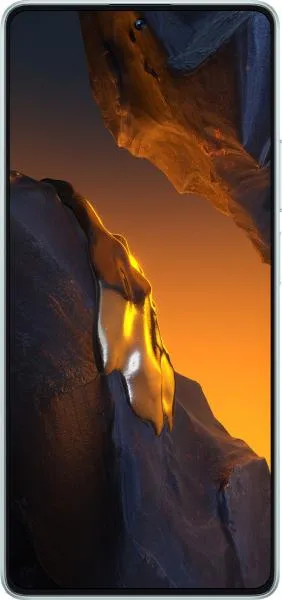

1. Specifications Comparison
| Feature | Xiaomi Poco F5 | Honor 200 Pro | Practical Impact |
|---|---|---|---|
| Design | |||
| Dimensions (mm) | 161.1 x 75 x 7.9 | 163.3 x 75.2 x 8.2 | Honor 200 Pro is slightly larger and thicker. |
| Weight (g) | 181 | 199 | Poco F5 is noticeably lighter, improving one-handed use. |
| Fingerprint Sensor | Side-mounted | Under-display | Preference-based; under-display feels more modern, side-mounted can be faster. |
| Display | |||
| Size (inches) | 6.67 | 6.78 | Negligible difference in screen real estate. |
| Resolution | 1080 x 2400 | 1224 x 2700 | Honor 200 Pro has a sharper display with higher pixel density, resulting in crisper text and images. |
| Panel Type | AMOLED | OLED | Both offer excellent contrast and vibrant colors. |
| Refresh Rate (Hz) | 120 | 120 | Both provide smooth scrolling and animations. |
| Peak Brightness (nits) | 1000 | 4000 | Honor 200 Pro offers significantly higher peak brightness, ensuring better visibility in direct sunlight. |
| Color Depth | 68B | 1B | Honor 200 Pro boasts superior color accuracy and a wider color gamut, benefiting content creators and media consumers. |
| HDR Support | Dolby Vision, HDR10+ | HDR | While both support HDR, Poco F5's Dolby Vision support offers a potentially better HDR experience with dynamic metadata. |
| Performance | |||
| Chipset | Snapdragon 7+ Gen 2 | Snapdragon 8s Gen 3 | Honor 200 Pro boasts a significantly more powerful processor, leading to faster app loading, smoother multitasking, and better gaming performance. |
| CPU | Octa-core (up to 2.91 GHz) | Octa-core (up to 3.0 GHz) | Honor's newer Cortex-X4 core architecture offers a performance advantage. |
| GPU | Adreno 725 | Adreno 735 | Honor 200 Pro has a more capable GPU, resulting in smoother gaming and faster graphics rendering. |
| RAM (GB) | 8/12 | 12 | Honor 200 Pro offers more RAM in its base configuration, enhancing multitasking capabilities. More RAM on the Poco F5 is available depending on the region/version. |
| Camera | |||
| Main Camera (MP) | 64 | 50 | Megapixel count isn't everything; image quality depends on sensor size, aperture, and processing. |
| Ultrawide (MP) | 8 | 12 | Honor offers a higher resolution ultrawide camera. |
| Telephoto | No | 50MP with 2.5x Optical Zoom | Honor 200 Pro offers optical zoom for better quality zoomed images, a clear advantage. |
| Video | 4K@30fps with EIS | 4K@30fps with OIS & EIS | Honor 200 Pro benefits from Optical Image Stabilization (OIS) for smoother video recording. |
| Battery | |||
| Capacity (mAh) | 5000 | 5200 | Honor 200 Pro has a slightly larger battery, potentially offering longer battery life. However, real-world usage will vary. |
2. Key Differences Analysis
Xiaomi Poco F5 Advantages:
- Lighter and More Compact: Noticeably lighter, making it more comfortable for extended use and one-handed operation.
- Potentially More Affordable: Generally positioned in a lower price bracket despite some versions having 12GB of RAM.
- Dolby Vision Support: Offers a potentially superior HDR video playback experience.
Honor 200 Pro Advantages:
- Significantly More Powerful: The Snapdragon 8s Gen 3 offers a major performance leap, benefiting demanding tasks and gaming.
- Sharper Display with Higher Brightness: Provides a more visually immersive experience, especially outdoors.
- Superior Camera System: The inclusion of a 50MP telephoto lens with OIS and a higher resolution ultrawide lens provides greater versatility.
- Larger Battery: Potentially translates to longer usage time between charges.
- More RAM in base model: The 12GB of RAM ensures smooth multitasking even with demanding applications.
3. User Profiles & Recommendations
Xiaomi Poco F5: Suitable for budget-conscious users who prioritize a lightweight phone with a good display and smooth performance for everyday tasks. Ideal for social media, web browsing, and casual gaming.
Honor 200 Pro: Best suited for users who demand top-tier performance, a premium display, and a versatile camera system. Ideal for mobile gaming, content creation, and photography enthusiasts.
4. Decision Framework
Key Questions for Buyers:
- What is your budget? The Poco F5 offers excellent value for its price, while the Honor 200 Pro commands a premium.
- What are your primary use cases? For demanding tasks and gaming, the Honor 200 Pro is the clear winner. For everyday use, the Poco F5 is more than sufficient.
- Which features are most important to you? Prioritize factors like camera quality, display sharpness, performance, battery life, and overall design.
My Choice: Honor 200 Pro
While the Poco F5 offers excellent value, the Honor 200 Pro's significant performance advantage, superior camera system with telephoto lens, brighter and sharper display, and larger battery make it the more compelling choice for me. I prioritize a future-proof device capable of handling demanding tasks and offering a premium multimedia experience. The slightly higher price and added weight are acceptable trade-offs for the substantial upgrade in overall capabilities. The inclusion of OIS for video recording is also a significant factor in my decision.
