1. Specifications Comparison
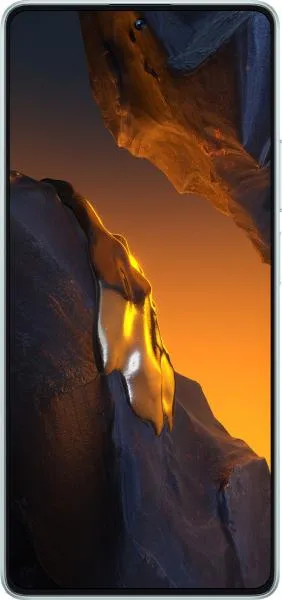
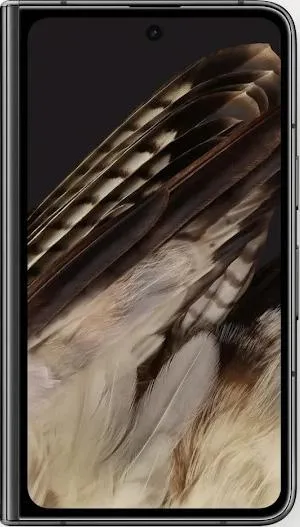
| Feature | Xiaomi Poco F5 | Google Pixel Fold | Practical Impact |
|---|---|---|---|
| Design | |||
| Dimensions (mm) | 161.1 x 75 x 7.9 | 139.7 x 158.7 x 5.8 (folded) 139.7 x 79.5 x 12.1 (unfolded) | Pixel Fold significantly smaller when folded, but thicker and wider when unfolded due to its foldable nature. Poco F5 is a more traditional, pocketable size. |
| Weight (g) | 181 | 283 | Pixel Fold is noticeably heavier due to its complex hinge mechanism and larger overall size. |
| Foldable | No | Yes | Pixel Fold offers a larger inner display for tablet-like functionality and a smaller outer display for quick interactions. Poco F5 is a standard slab phone. |
| Display | |||
| Display Type | AMOLED | Foldable OLED | Poco F5's AMOLED offers vibrant colors and deep blacks. Pixel Fold's foldable OLED introduces a crease but allows for a larger screen in a smaller form factor. |
| Display Size (inches) | 6.67 | 7.6 (inner), 5.8 (outer) | Pixel Fold's larger inner display provides more screen real estate for multitasking and media consumption. |
| Resolution (px) | 1080 x 2400 | 1840 x 2208 (inner), 1080 x 2092 (outer) | Both offer sharp displays, but the Pixel Fold's inner display boasts a higher resolution for greater detail. |
| Refresh Rate (Hz) | 120 | 120 | Both phones offer smooth scrolling and animations thanks to their 120Hz refresh rates. |
| Performance | |||
| Chipset | Snapdragon 7+ Gen 2 | Google Tensor G2 | Both chipsets are powerful, but benchmarks suggest Snapdragon 7+ Gen 2 might have a slight edge in raw performance. Tensor G2 excels in AI and machine learning tasks. |
| CPU | Octa-core (1x2.91 GHz Cortex-X2 & 3x2.49 GHz Cortex-A710 & 4x1.8 GHz Cortex-A510) | Octa-core (2x2.85 GHz Cortex-X1 & 2x2.35 GHz Cortex-A78 & 4x1.80 GHz Cortex-A55) | Both are powerful CPUs, but architectural differences exist. Practical performance differences likely negligible for average users. |
| RAM (GB) | 8/12 | 12 | Pixel Fold offers more RAM, potentially benefiting multitasking and demanding applications. |
| Camera | |||
| Rear Camera (MP) | 64 MP Main + 8 MP Wide + 2 MP Macro | 48 MP Main + 10.8 MP Wide + 10.8 MP Telephoto | Pixel Fold has a more versatile camera system with a telephoto lens for optical zoom. Poco F5 relies on digital zoom. Pixel Fold also leverages Google's superior image processing. |
| Battery | |||
| Capacity (mAh) | 5000 | 4821 | Similar battery capacities, but real-world battery life depends on usage and software optimization. Foldable displays often consume more power. |
2. Key Differences Analysis
Xiaomi Poco F5 Advantages:
- Price: Significantly more affordable.
- Lighter and More Pocketable: Easier to carry and use one-handed.
- Potentially Longer Battery Life: Traditional display technology may consume less power.
Google Pixel Fold Advantages:
- Foldable Design: Offers a larger screen for productivity and media consumption in a compact form factor.
- More Versatile Camera System: Telephoto lens enables optical zoom. Google's image processing algorithms generally produce superior photos.
- More RAM: Better for multitasking and future-proofing.
3. User Profiles & Recommendations
Xiaomi Poco F5: Ideal for budget-conscious users who prioritize performance, battery life, and a traditional smartphone experience. Excellent for gaming, social media, and everyday tasks.
Google Pixel Fold: Best suited for users who value innovation and want a device that can seamlessly transition between phone and tablet modes. Excellent for productivity, multitasking, and media consumption on the go.
4. Decision Framework
Key Questions for Buyers:
- Budget: How much are you willing to spend?
- Form Factor: Do you prioritize portability or a larger screen? Are you willing to compromise on weight and thickness for a foldable device?
- Usage: What are your primary smartphone needs (e.g., gaming, photography, productivity)?
Scenario-Based Recommendations:
- Limited Budget, Focus on Performance: Xiaomi Poco F5
- Desire for Innovation and Large Screen: Google Pixel Fold
- Photographer/Videographer: Google Pixel Fold (due to superior camera system)
My Choice: Xiaomi Poco F5
While the Pixel Fold is an exciting innovation, the Xiaomi Poco F5 offers a compelling combination of performance, battery life, and affordability. As someone who prioritizes a lightweight and pocketable device with excellent performance for everyday tasks and occasional gaming, the Poco F5 better suits my needs. The significant price difference makes it a more practical choice for me, as the foldable technology doesn't outweigh the benefits of the Poco F5 in my personal use case. I acknowledge the superior camera system of the Pixel Fold, but the Poco F5's camera is still more than adequate for my needs. Ultimately, the Poco F5 provides excellent value for its price.
