1. Specifications Comparison
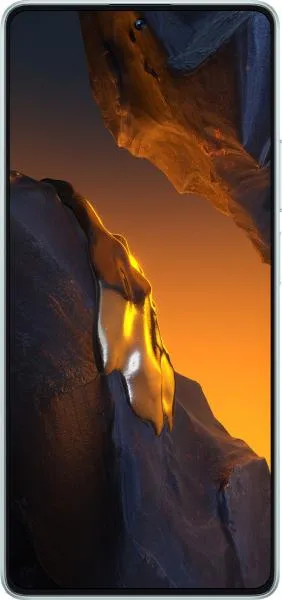
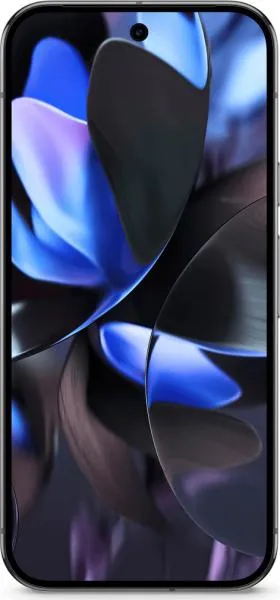
| Feature | Xiaomi Poco F5 | Google Pixel 9 Pro XL | Practical Impact |
|---|---|---|---|
| Design | |||
| Dimensions (mm) | 161.1 x 75 x 7.9 | 162.8 x 76.6 x 8.5 | Pixel 9 Pro XL is slightly larger and thicker. |
| Weight (g) | 181 | 221 | Poco F5 is significantly lighter, more comfortable for extended use. |
| Build Material | Missing | Missing | Cannot compare build quality and durability. |
| Display | |||
| Display Type | AMOLED | LTPO OLED | Both offer excellent color and contrast; LTPO allows for dynamic refresh rate, potentially saving battery on the Pixel. |
| Size (inches) | 6.67 | 6.8 | Pixel 9 Pro XL offers a slightly larger screen. |
| Resolution | 1080 x 2400 | 1344 x 2992 | Pixel 9 Pro XL has a much sharper display (higher pixel density). |
| Refresh Rate (Hz) | 120 | 120 | Both offer smooth scrolling and animations. |
| Peak Brightness (nits) | 1000 | 3000 | Pixel 9 Pro XL is significantly brighter, improving outdoor visibility. |
| Performance | |||
| Chipset | Snapdragon 7+ Gen 2 | Google Tensor G4 | Tensor G4 is expected to be more powerful overall, but specific benchmarks are needed for definitive comparison. |
| CPU | Octa-core (1x2.91 GHz Cortex-X2 & 3x2.49 GHz Cortex-A710 & 4x1.8 GHz Cortex-A510) | Octa-core (1x3.1 GHz Cortex-X4 & 3x2.6 GHz Cortex-A720 & 4x1.92 GHz Cortex-A520) | Tensor G4 boasts newer core architecture, potentially offering performance and efficiency advantages. |
| GPU | Adreno 725 | Mali-G715 MC7 | Performance differences will depend on specific game and application optimization. |
| RAM (GB) | 8/12 | 16 | Pixel 9 Pro XL has significantly more RAM, enabling better multitasking and smoother performance with demanding apps. |
| Camera | |||
| Main Camera (MP) | 64 | 50 | Megapixel count isn't everything; image quality depends on sensor size, aperture, and processing. Pixel generally excels in computational photography. |
| Ultrawide (MP) | 8 | 48 | Pixel offers a much higher resolution ultrawide camera. |
| Telephoto (MP) | N/A | 48 | Pixel 9 Pro XL has a dedicated telephoto lens for optical zoom, absent in the Poco F5. |
| Video Recording | 4K@30fps | 8K@30fps | Pixel 9 Pro XL can record higher resolution video. |
| Battery | |||
| Capacity (mAh) | 5000 | 5060 | Negligible difference in battery capacity. Real-world battery life will depend on usage and optimization. |
| Charging Speed | Missing | Missing | Cannot compare charging speeds. |
2. Key Differences Analysis
Xiaomi Poco F5 Advantages:
- Lighter and more compact: More comfortable for one-handed use and extended periods.
- Lower price: Offers excellent value for its performance.
Google Pixel 9 Pro XL Advantages:
- Superior Display: Sharper, brighter, and more power-efficient due to LTPO technology.
- More Powerful: Tensor G4 and greater RAM provide headroom for demanding tasks and future-proofing.
- Advanced Camera System: Higher resolution sensors, dedicated telephoto lens, and Google's renowned image processing.
- Longer Software Support: Expected to receive more OS updates than the Poco F5.
3. User Profiles & Recommendations
Xiaomi Poco F5: Budget-conscious users who prioritize performance and value. Ideal for:
- Gaming on a budget: Powerful enough for most mobile games.
- Everyday tasks: Handles web browsing, social media, and multimedia consumption with ease.
- Users seeking a lighter phone: Important for comfort during prolonged use.
Google Pixel 9 Pro XL: Users who demand the best possible camera and overall Android experience. Ideal for:
- Photography enthusiasts: Excellent image quality and versatile camera system.
- Power users: Demanding workloads, multitasking, and future-proof performance.
- Users who value software updates: Ensures security and access to new features.
4. Decision Framework
Key Questions for Buyers:
- What is your budget? The Poco F5 offers significantly better value.
- What are your photography needs? The Pixel 9 Pro XL boasts a superior camera system.
- How important is software support and future-proofing? The Pixel 9 Pro XL will likely receive longer software updates.
My Choice: Google Pixel 9 Pro XL
While the Poco F5 offers incredible value, the Pixel 9 Pro XL's superior camera, display, performance, and longer software support make it the better choice for me. I prioritize a premium user experience and am willing to invest in a device that will remain competitive for several years. The sharper display, brighter screen for outdoor use, and the significantly more advanced camera capabilities outweigh the higher price and increased weight. The promise of extended software updates ensures long-term security and access to the latest Android features. While the Poco F5 is a compelling option for budget-conscious buyers, the Pixel 9 Pro XL better aligns with my needs and priorities.
