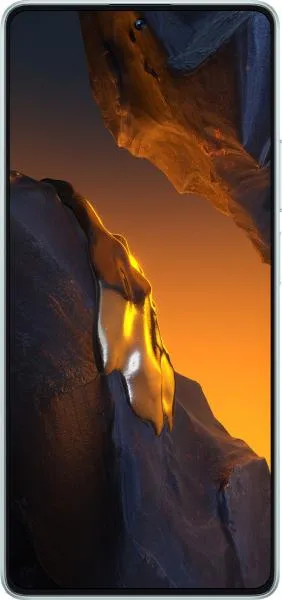

1. Specifications Comparison
| Feature | Xiaomi Poco F5 | Google Pixel 9 Pro | Practical Impact |
|---|---|---|---|
| Design | |||
| Dimensions (mm) | 161.1 x 75 x 7.9 | 152.8 x 72 x 8.5 | Pixel 9 Pro is slightly smaller and thicker. Poco F5 might feel slightly larger in hand. |
| Weight (g) | 181 | 199 | Poco F5 is noticeably lighter, reducing hand fatigue during extended use. |
| Build | Not specified | Not specified | Build materials impact durability and premium feel. This information is missing. |
| Display | |||
| Size (inches) | 6.67 | 6.3 | Poco F5 offers a larger screen for more immersive media consumption. |
| Resolution (pixels) | 1080 x 2400 | 1280 x 2856 | Pixel 9 Pro boasts a sharper display with higher pixel density (495 ppi vs 395 ppi), resulting in crisper text and images. |
| Type | AMOLED | LTPO OLED | Both offer vibrant colors and deep blacks. Pixel 9 Pro's LTPO technology allows for a variable refresh rate, potentially saving battery. |
| Refresh Rate (Hz) | 120 | 120 | Both offer smooth scrolling and animations. |
| Peak Brightness (nits) | 1000 | 3000 | Pixel 9 Pro's significantly higher peak brightness ensures excellent outdoor visibility. |
| Performance | |||
| Chipset | Snapdragon 7+ Gen 2 | Google Tensor G4 | Both are high-performance chips. Tensor G4 is likely optimized for AI and machine learning tasks. |
| CPU | Octa-core (1x2.91 GHz X2 & 3x2.49 GHz A710 & 4x1.8 GHz A510) | Octa-core (1x3.1 GHz X4 & 3x2.6 GHz A720 & 4x1.92 GHz A520) | Tensor G4 has a newer, more powerful prime core (Cortex-X4 vs X2), potentially offering better single-core performance. |
| RAM (GB) | 8/12 | 16 | Pixel 9 Pro has significantly more RAM, enabling better multitasking and smoother performance with demanding apps. |
| Camera | |||
| Main Camera (MP) | 64 | 50 | Megapixel count doesn't solely determine image quality. Sensor size and processing are crucial. Specific sensor details for Pixel 9 Pro are missing. |
| Video Recording | Up to 4K@30fps | Up to 8K@30fps | Pixel 9 Pro offers higher resolution video recording. |
| Other Features | OIS, EIS | OIS, EIS, more advanced software features expected | Pixel is known for its computational photography, likely resulting in better image quality despite lower megapixel count on the main camera. |
| Battery | |||
| Capacity (mAh) | 5000 | 4700 | Poco F5 has a slightly larger battery capacity, potentially offering longer battery life. |
| Charging Speed | Not specified | Not specified | Charging speed significantly impacts usability. This information is missing. |
2. Key Differences Analysis
Xiaomi Poco F5 Advantages:
- Lower Price: Positioned in the "medium price" range, offering excellent value for its performance.
- Larger Display: Better for media consumption and gaming.
- Lighter Weight: More comfortable for extended use.
- Larger Battery: Potentially longer battery life.
Google Pixel 9 Pro Advantages:
- Superior Display: Sharper, brighter, and more power-efficient due to LTPO technology.
- More Powerful CPU & More RAM: Better for demanding tasks and multitasking.
- More Advanced Camera System: Expected to deliver superior image quality due to Google's computational photography expertise and 8K video recording.
- Newer OS with Longer Support: Android 14 out-of-the-box with guaranteed updates up to Android 21.
3. User Profiles & Recommendations
Xiaomi Poco F5: Ideal for budget-conscious users who prioritize a large display, long battery life, and good performance for everyday tasks and gaming.
Google Pixel 9 Pro: Suitable for users who demand the best camera, a top-tier display, and the latest software with long-term updates. Best for power users, photographers, and videographers.
4. Decision Framework
Key Questions for Buyers:
- What is your budget? The Poco F5 offers significantly better value if price is a major concern.
- What are your primary use cases? Gaming and media consumption benefit from the Poco F5's larger display and battery. Photography and videography enthusiasts will prefer the Pixel 9 Pro.
- How important is software support? The Pixel 9 Pro guarantees longer OS and security updates.
My Choice: Google Pixel 9 Pro
While the Poco F5 offers incredible value, I would choose the Google Pixel 9 Pro. The superior display, more powerful performance with 16GB RAM, expected camera excellence (based on Google's track record), and significantly longer software support are crucial factors for me. I prioritize a smooth, future-proof experience with cutting-edge camera technology, even if it comes at a higher price. The smaller battery is a slight trade-off, but the LTPO display might mitigate that difference. The significantly higher price is justified by the long-term value proposition of extended software support and the expected superior camera performance.
