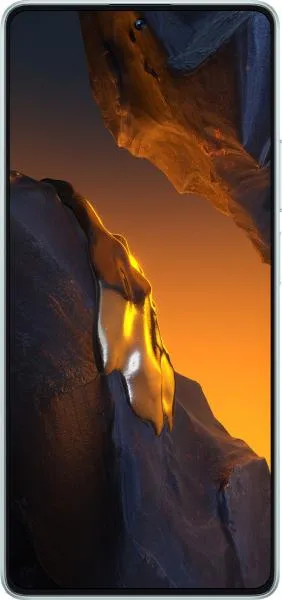

1. Specifications Comparison
| Feature | Xiaomi Poco F5 | Google Pixel 9 | Practical Impact |
|---|---|---|---|
| Design | |||
| Dimensions (mm) | 161.1 x 75 x 7.9 | 152.8 x 72 x 8.5 | Pixel 9 is noticeably smaller and slightly thicker. Poco F5 might feel larger in hand. |
| Weight (g) | 181 | 198 | Pixel 9 is heavier, potentially more noticeable in prolonged use. |
| Build Materials | Not specified | Not specified | Cannot compare build quality and durability without more information. |
| Display | |||
| Size (inches) | 6.67 | 6.3 | Poco F5 offers a larger screen for more immersive media consumption. |
| Resolution (px) | 1080 x 2400 | 1080 x 2424 | Very similar pixel density, sharpness should be comparable. Pixel 9 slightly sharper due to smaller size and higher resolution. |
| Type | AMOLED | OLED | Both offer excellent contrast and vibrant colors. Practical differences might be subtle. |
| Refresh Rate (Hz) | 120 | 120 | Both provide smooth scrolling and animations. |
| Peak Brightness (nits) | 1000 | 2700 | Pixel 9 boasts significantly higher peak brightness, ensuring better outdoor visibility. |
| Performance | |||
| Chipset | Snapdragon 7+ Gen 2 | Google Tensor G4 | Tensor G4 is Google's custom chip optimized for AI tasks. Snapdragon 7+ Gen 2 is a powerful, widely used chip. Performance differences likely depend on specific tasks and optimization. |
| CPU | Octa-core (1x2.91 GHz X2, 3x2.49 GHz A710, 4x1.8 GHz A510) | Octa-core (1x3.1 GHz X4, 3x2.6 GHz A720, 4x1.92 GHz A520) | Pixel 9 has newer CPU core architecture and slightly higher clock speeds, potentially leading to better performance in demanding tasks. |
| GPU | Adreno 725 | Mali-G715 MC7 | Performance comparison difficult without benchmarks. Both should handle most games well. |
| RAM (GB) | 8/12 | 12 | Pixel 9 configuration offers more RAM, potentially benefiting multitasking and demanding applications. |
| Camera | |||
| Rear Camera (MP) | 64 MP Main, 8 MP Wide, 2 MP Macro | 50 MP Main, 48 MP Wide+Macro | Pixel 9 utilizes fewer but potentially higher-quality sensors with a combined wide and macro lens. Pixel known for computational photography excellence. |
| Front Camera (MP) | 16 MP | 10.5 MP | Poco F5 has a higher resolution front camera. Image quality will depend on sensor and processing. |
| Video Capabilities | 4K@30fps with EIS | Up to 4K@240fps with HDR, OIS, EIS | Pixel 9 offers more extensive video recording capabilities with higher frame rates, HDR, and potentially better stabilization. |
| Battery | |||
| Capacity (mAh) | 5000 | 4700 | Poco F5 has a slightly larger battery capacity, potentially offering longer battery life. Real-world usage varies significantly. |
| Charging Speed | Not specified | Not specified | Cannot compare charging speeds without more information. |
2. Key Differences Analysis
Xiaomi Poco F5 Advantages:
- Larger Display: Provides a more immersive experience for media consumption and gaming.
- Potentially Longer Battery Life: Larger battery capacity suggests longer usage between charges.
- Lower Price: Generally positioned in a more affordable price bracket.
Google Pixel 9 Advantages:
- Superior Camera System: Expected to deliver exceptional image quality and video capabilities due to Google's advanced computational photography.
- More Powerful CPU: Newer architecture and higher clock speeds suggest better performance in demanding tasks.
- Brighter Display: Significantly brighter screen ensures excellent outdoor visibility.
- More recent OS with longer support: Android 14 with guaranteed updates to Android 21.
- Faster Data Transfer: USB 3.2 offers significantly faster data transfer speeds than USB 2.0.
Trade-offs:
- Pixel 9's smaller battery: Potential for shorter battery life compared to Poco F5.
- Poco F5's lower peak brightness: Might struggle in direct sunlight compared to Pixel 9.
- Poco F5's Older USB standard: Slower data transfer speeds.
3. User Profiles & Recommendations
Xiaomi Poco F5: Ideal for budget-conscious users prioritizing a large display, long battery life, and good performance for everyday tasks and gaming.
Google Pixel 9: Best suited for users who value camera quality, a smooth and powerful user experience, the latest Android version with long-term support, and are willing to pay a premium. Especially relevant for photography enthusiasts and those needing fast data transfer.
4. Decision Framework
Key Questions for Buyers:
- What is your budget? The Pixel 9 is significantly more expensive.
- What are your priorities? Camera quality, performance, display size, battery life?
- How important is software support and longevity? The Pixel has a significant advantage here.
My Choice: Google Pixel 9
While the Poco F5 offers a compelling package for its price, the Pixel 9's superior camera, more powerful processor, brighter display, guaranteed long-term software support and faster USB standard make it the better overall choice for me. I prioritize a smooth and future-proof user experience, excellent photography capabilities, and having the latest features. The higher price is justified by these advantages in my opinion. The smaller battery is a concern, but manageable. The significantly brighter display is a crucial factor for outdoor usage. The much faster data transfer speeds are becoming increasingly important in a world of large files.
