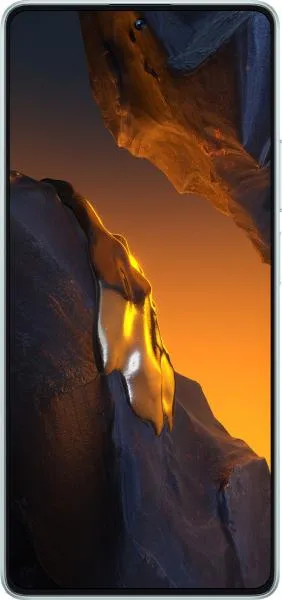
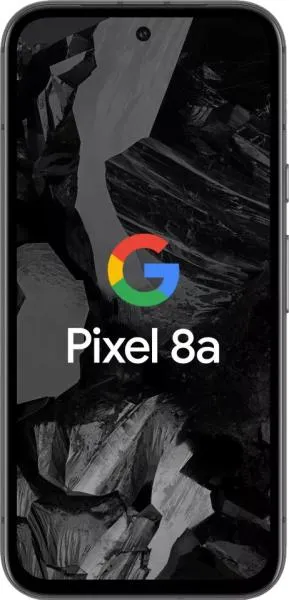
1. Specifications Comparison
| Feature | Xiaomi Poco F5 | Google Pixel 8a | Practical Impact |
|---|---|---|---|
| Design | |||
| Dimensions (mm) | 161.1 x 75 x 7.9 | 152.1 x 72.7 x 8.9 | Pixel 8a is noticeably smaller and slightly thicker. Poco F5 might feel larger in hand. |
| Weight (g) | 181 | 188 | Negligible weight difference; both feel light. |
| Build | Not specified | Not specified | Build quality can't be compared without more information. |
| Display | |||
| Size (inches) | 6.67 | 6.1 | Poco F5 offers a significantly larger screen for media consumption. Pixel 8a is more pocketable. |
| Resolution | 1080 x 2400 | 1080 x 2400 | Same resolution, but Pixel 8a has higher pixel density due to smaller size, resulting in sharper images. |
| Type | AMOLED | OLED | Both offer excellent contrast and vibrant colors. AMOLED generally allows for thinner designs and potentially better power efficiency. Missing color depth info for Pixel 8a limits further comparison. |
| Refresh Rate | 120Hz | 120Hz | Both offer smooth scrolling and animations. |
| Peak Brightness | 1000 nits | 2000 nits | Pixel 8a's significantly higher peak brightness ensures better visibility in direct sunlight. |
| Performance | |||
| Chipset | Snapdragon 7+ Gen 2 | Google Tensor G3 | Both are powerful chips. Tensor G3 is newer and likely offers better AI processing, while Snapdragon 7+ Gen 2 excels in benchmarks. Real-world performance differences might be subtle for average users. |
| CPU | Octa-core (1x2.91 GHz X2 & 3x2.49 GHz A710 & 4x1.8 GHz A510) | Nona-core (1x3.0 GHz X3 & 4x2.45 GHz A715 & 4x2.15 GHz A510) | Both CPUs offer excellent performance. Tensor G3's architecture might provide advantages in multitasking and specific AI tasks. |
| GPU | Adreno 725 | Immortalis-G715s MC10 | Tensor G3's GPU likely offers a slight edge in gaming performance, but real-world differences need further benchmarking. |
| RAM | 8GB | 8GB | Same RAM capacity should provide similar multitasking capabilities. |
| Camera | |||
| Main Camera | 64MP, f/1.79 | 64MP, f/1.89 | Similar resolution and aperture. Pixel's computational photography prowess likely results in better image quality overall. |
| Ultrawide | 8MP, f/2.2 | 13MP, f/2.2, Macro | Pixel 8a offers a higher resolution ultrawide with macro capabilities, providing more versatility. |
| Selfie | 16MP, f/2.45 | 13MP, f/2.2 | Poco F5 has slightly higher resolution, but Pixel's image processing likely delivers better selfie quality. |
| Battery | |||
| Capacity | 5000 mAh | 4492 mAh | Poco F5 has a larger battery, likely resulting in longer battery life. Real-world usage will vary. |
| Charging Speed | Not specified | Not specified | Charging speed comparison impossible without more information. |
2. Key Differences Analysis
Xiaomi Poco F5 Advantages:
- Larger Display: Better for media consumption and gaming.
- Larger Battery: Potentially longer battery life.
- Potentially Lower Price: Depending on specific configurations.
Google Pixel 8a Advantages:
- More Compact Size: Easier to handle and carry.
- Brighter Display: Enhanced outdoor visibility.
- Superior Camera System: Expected due to Google's computational photography.
- Longer Software Support: Pixel phones typically receive longer OS and security updates.
- Faster USB Standard: USB 3.2 offers significantly faster data transfer speeds compared to USB 2.0 on the Poco F5.
Trade-offs:
- Size vs. Pocketability: Poco F5's larger display comes at the cost of being less pocketable.
- Battery Life vs. Compactness: Pixel 8a's smaller size necessitates a smaller battery.
- Raw Performance vs. AI & Software: Poco F5 might have a slight edge in raw performance benchmarks, but Pixel 8a likely excels in AI tasks and overall user experience due to software optimizations.
3. User Profiles & Recommendations
Xiaomi Poco F5: Ideal for users who prioritize a large display, long battery life, and value for money. Best for media consumption, gaming, and extended use without frequent charging.
Google Pixel 8a: Ideal for users who prefer a compact and pocketable phone with a great camera and clean software experience. Best for photography enthusiasts, users who value software updates, and those who prioritize one-handed usability.
4. Decision Framework
Key Questions for Buyers:
- What screen size do you prefer? Large screen for media or compact for one-handed use?
- How important is camera quality to you? Pixel 8a likely offers a superior camera experience.
- How much do you value software updates and AI features? Pixel phones generally have an advantage in this area.
My Choice: Google Pixel 8a
While the Poco F5 offers a larger display and battery, the Pixel 8a's superior camera, compact form factor, expected longer software support, and the significantly faster USB standard make it a more compelling choice for me. I prioritize a smooth user experience, consistent updates, and a great camera, which the Pixel line consistently delivers. The smaller battery is a trade-off I'm willing to make for the improved portability and other benefits. While benchmarks might favor the Poco F5, real-world performance differences are likely negligible for my usage. The significantly faster data transfer speeds of USB 3.2 are also a major advantage for quickly backing up photos and videos. Finally, the Pixel's cleaner software experience and longer update cycle contribute to a more future-proof device.
